Socotra Island Yemen: The Alien Paradise Lost in Time
Socotra Island Yemen is Earth's most alien landscape. Dragon's blood trees, untouched beaches, and wildlife found nowhere else. This is what adventure travel should feel like.
Socotra Island Yemen: Where Earth Became Another Planet
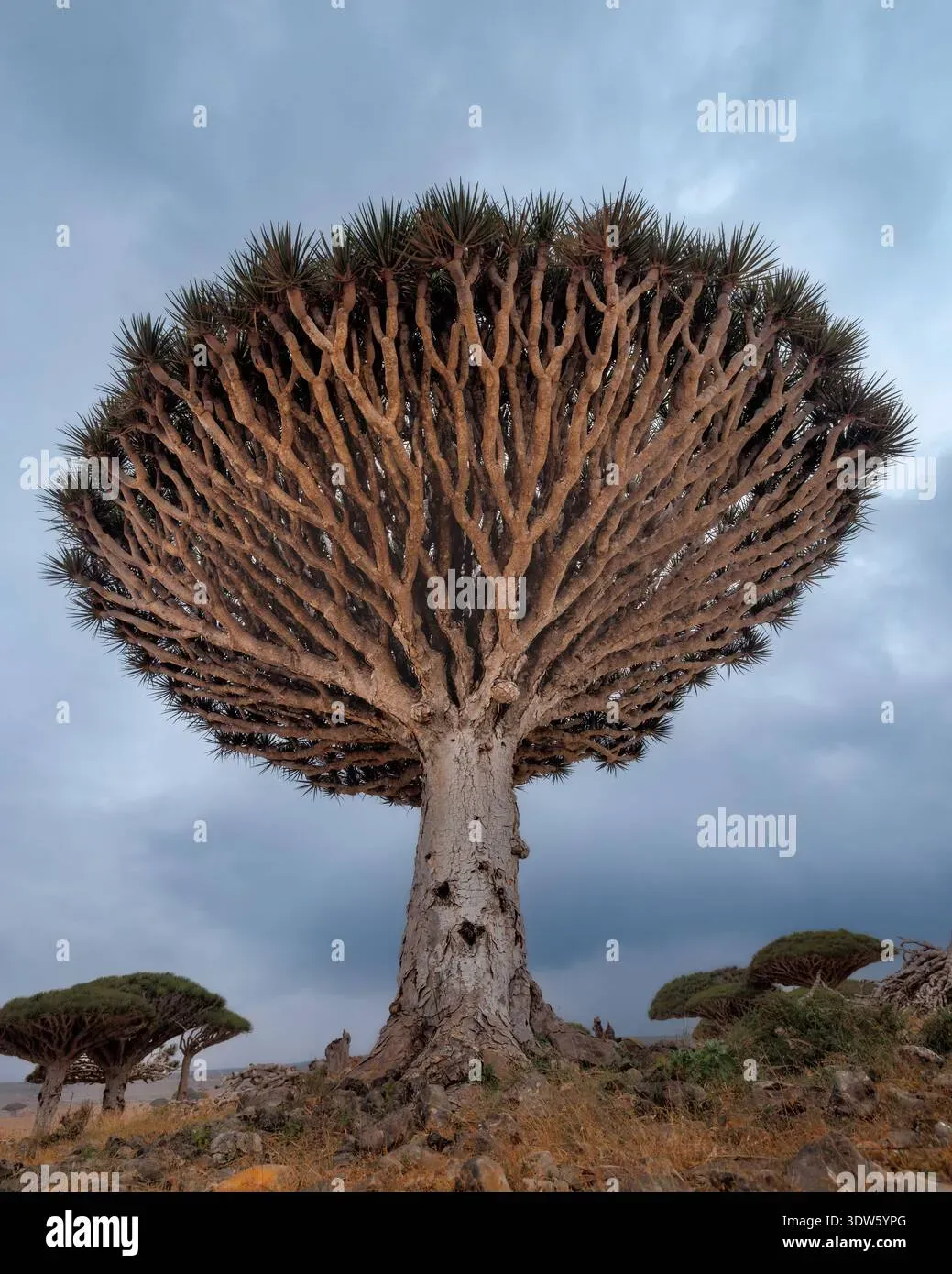
Socotra Island Yemen breaks every rule of what a tropical destination should look like. Floating in the Arabian Sea where Asia and Africa almost touch, this remote archipelago holds one of the most otherworldly landscapes on our planet. Dragon's blood trees stand like giant alien mushrooms against crimson sunsets. Bottle trees erupt from limestone plateaus like living sculptures. Over a third of the plant life exists nowhere else on Earth.
This is not a place for resort pools or buffet breakfasts. Socotra is for those chasing something rawer, stranger, and infinitely more precious: a destination where white sand meets turquoise shallows, where freshwater pools hide in shadowy canyons, and where silence remains unbroken by the modern world.
What makes Socotra Island Yemen so extraordinary?
The magic of Socotra is in its isolation. Separated from the mainland for millions of years, this continental island has evolved into a biological oddity. The dragon's blood tree (Dracaena cinnabari) is the island's living emblem. Its umbrella-shaped canopy and blood-red resin have been prized since Roman times for medicine, dye, and violin varnish. These trees can live for 600 years, reaching ten meters into the cloudless sky, forming dense woodlands that look lifted from a science fiction film.
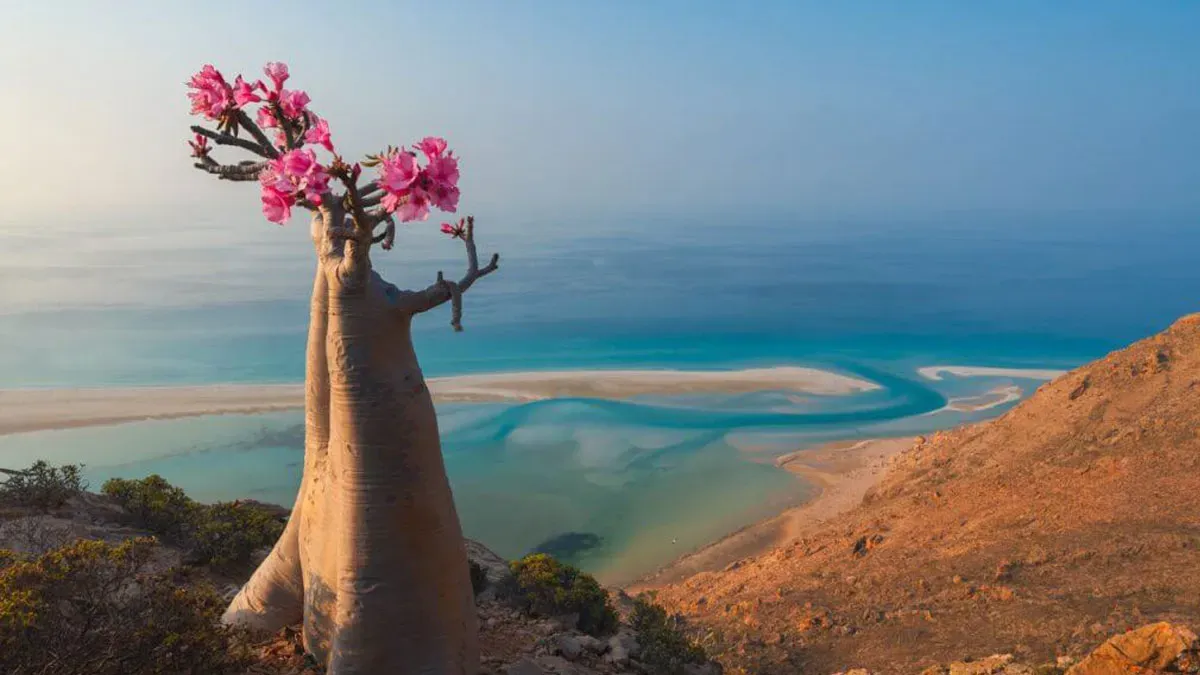
But the botanical wonders do not end there. Bulbous bottle trees burst with pink flowers alongside desert roses that cling to sheer rock faces. Egyptian vultures drift on thermals overhead. Caves honeycomb the interior. Sand dunes roll toward the sea. The result is an incredibly versatile landscape compressed into a compact area: untouched and entirely alien.
The experience: what to expect on the island
The alien forests of Firmihin
No visit to Socotra is complete without wandering the dragon's blood tree forests at Firmihin. Here, the trees cluster in dense stands across rocky hillsides, their mushroom-like canopies creating a surreal canopy that photographers and nature lovers describe as almost sacred. Local guides organize treks through these ancient woodlands, where you will hike among formations that exist nowhere else on the planet. The silence here feels heavy, broken only by wind through the umbrella-shaped branches.
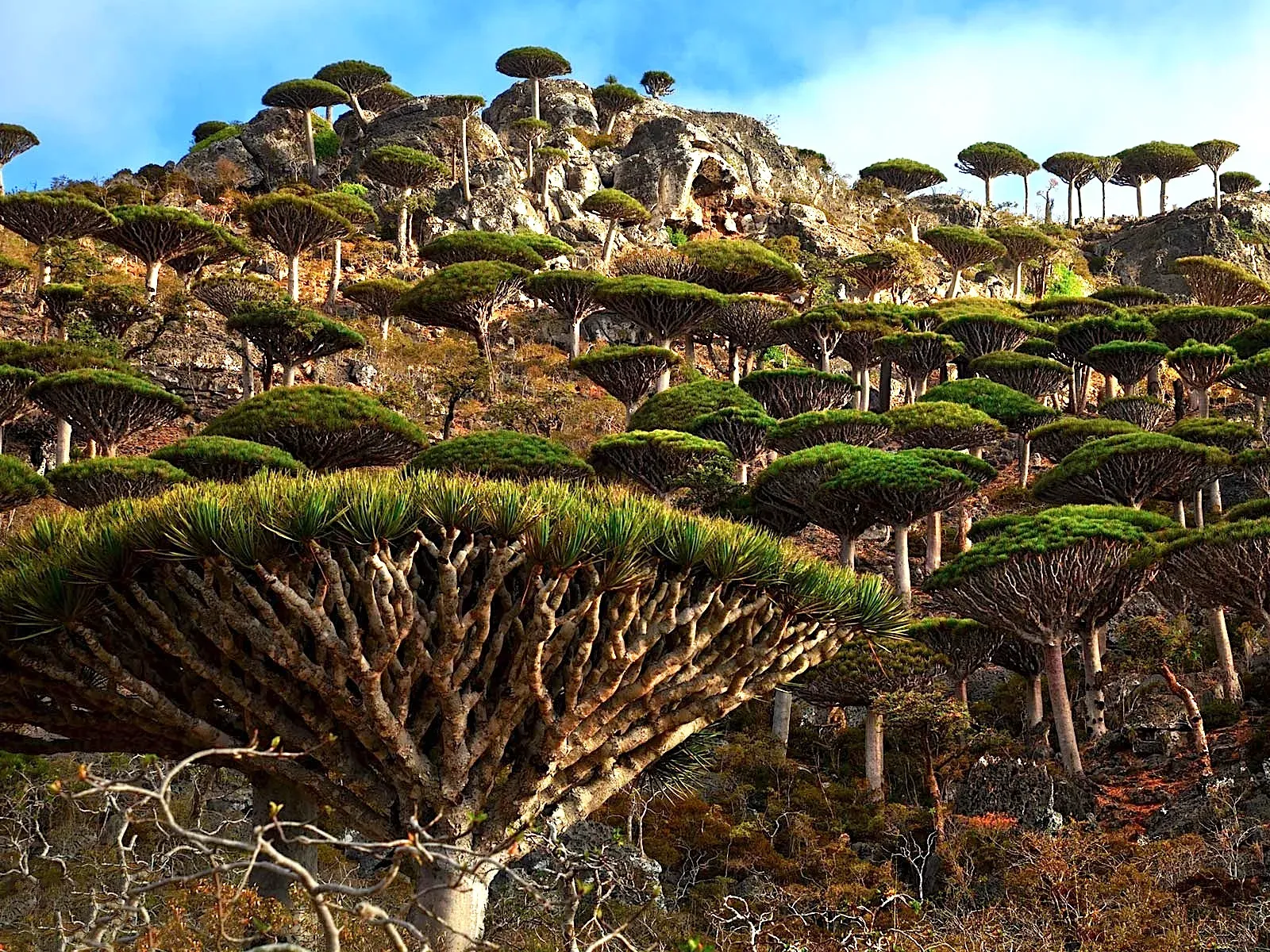
Interspersed among the dragon trees, you will spot bottle trees (also known as the Socotra Desert Rose) with their swollen trunks and shocking pink blooms. These too are endemic, found naturally only here. The combination creates a botanical experience unmatched anywhere on Earth.
Qalansiyah and the coastline: beaches to die for
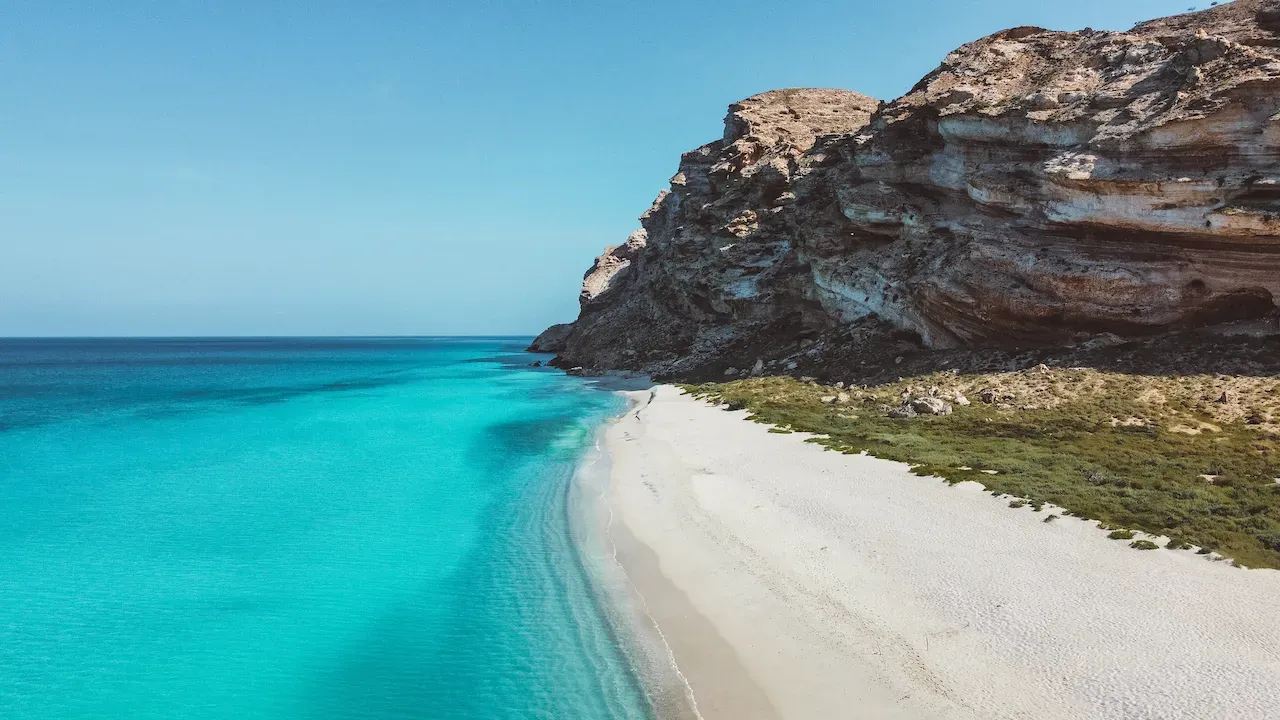
Socotra's shoreline delivers white sand and unusually calm, shallow waters. Qalansiyah ranks among the best beaches: a curve of powder-white sand backed by rugged white cliffs and lapped by crystal-clear shallows where the sea feels more lagoon than ocean. The snorkeling here reveals excellent marine life, with colorful coral formations and playful fish populating the shallows.
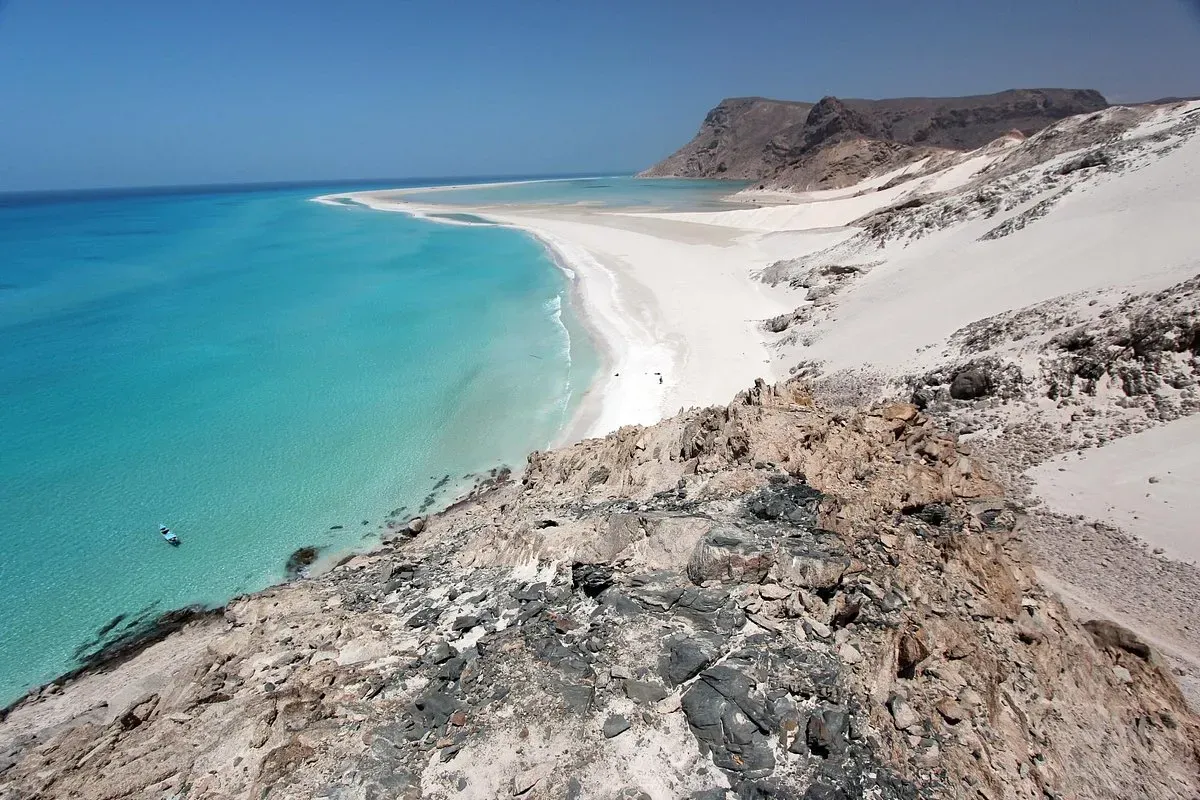
Elsewhere along the coast, dramatic sand dunes tumble toward the water, creating perfect campsites where you can wake to sunrises over empty beaches. The sea remains consistently calm, an unusual feature that makes swimming and water activities accessible even for less confident swimmers. Fishing excursions depart daily for those looking to catch dinner, and the evening tradition of watching sunsets from coastal cliffs has become a ritual for visitors.
Homhil Protected Area: canyons and hidden pools
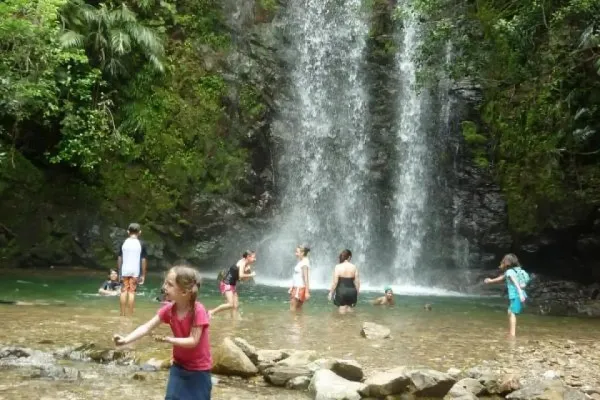
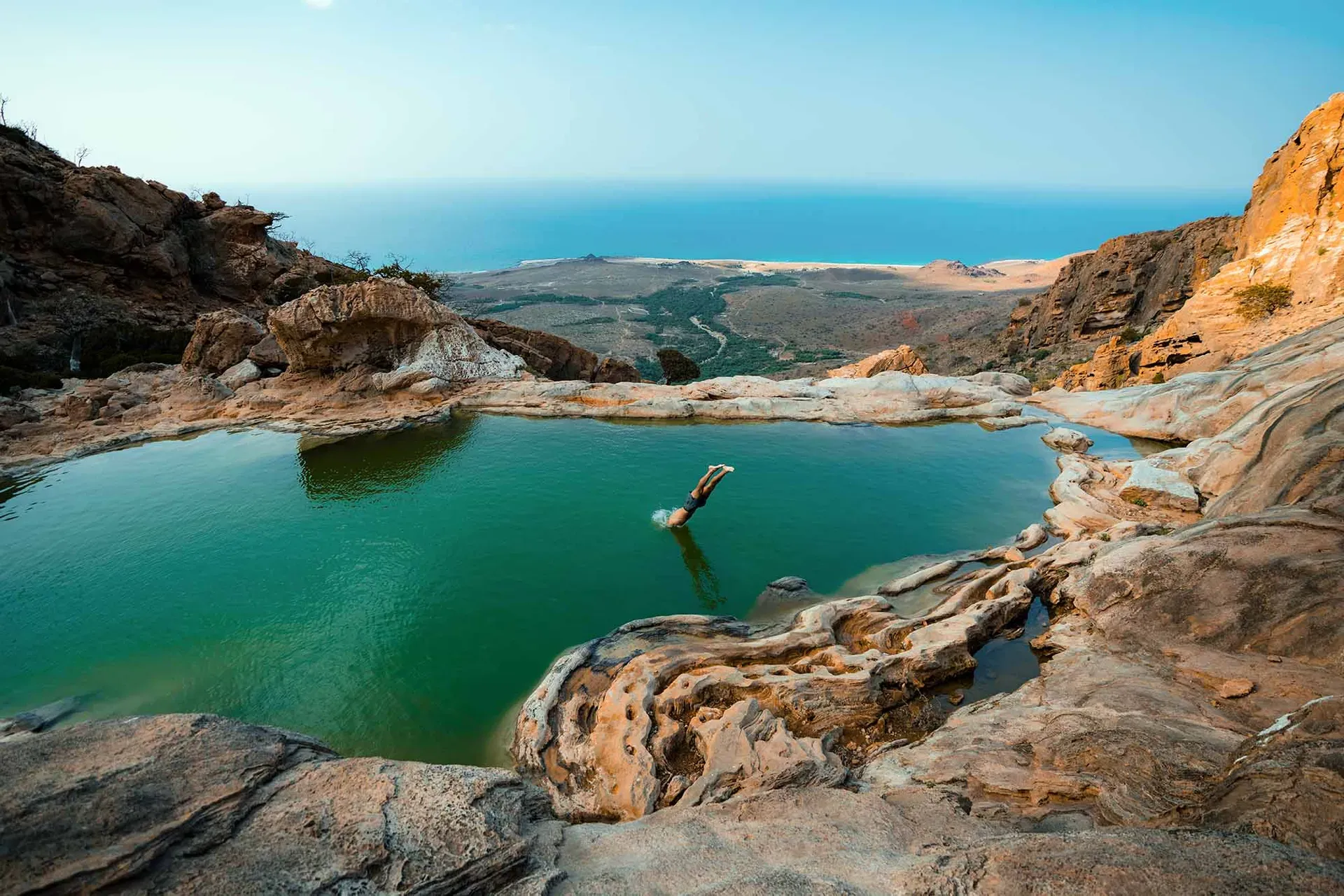
Head inland to discover Homhil, where rugged mountains, canyons, and wadis create a hiker's paradise. Here, dramatic limestone formations give way to natural freshwater pools, perfect for cooling off after a trek through the sun-baked terrain. The hiking trails here wind through canyons where endemic plant life clings to every surface, and the sense of discovery feels complete when you stumble upon a green pool hidden among rock formations.
Things to do in Socotra Island Yemen
A typical week on Socotra, timed to the once-per-week flight schedule, fills quickly with adventure. The best activities include:
Diving and snorkeling: The calm, shallow waters and excellent visibility make the surrounding reefs accessible and rewarding. Marine life thrives in these protected waters.
Hiking and caving: Beyond the famous tree forests, the island offers dramatic canyons, wadis, and numerous caves to explore on foot.
Fishing: The local waters have excellent fish, often caught in the morning and prepared for dinner by camp kitchens.
Wildlife spotting: Egyptian vultures soar above the cliffs. Unique reptiles and insects populate the endemic ecosystem. The island has become a pilgrimage for biologists and nature photographers.
The Socotri people: hospitality in isolation
The human element of Socotra proves equally compelling. The indigenous Socotri people, along with residents from across Asia and Africa who call this island home, demonstrate extraordinary generosity toward visitors. In small villages scattered across the interior, travelers find themselves welcomed with genuine warmth. The population remains relatively low, maintaining traditional lifestyles that feel far removed from the modern world.
Practical tips and how to visit Socotra Island Yemen
How to get to Socotra Island Yemen
Reaching Socotra requires commitment. Flights operate only once per week, making tour planning essential around this schedule. The security situation in Yemen adds complexity. This is not an easy destination, and that difficulty may be exactly what keeps it pure. Working with experienced local guides who understand the logistical challenges is essential.
Is Socotra Island Yemen safe?
Security concerns exist, particularly around the broader Yemen context. However, the island itself remains relatively stable and welcoming. Some activities tied to the UAE have raised sovereignty concerns among Yemeni authorities, so ensuring your visit supports the local economy and follows approved channels is important. Once on the island, visitors report feeling safe and welcomed, though the lack of infrastructure presents its own challenges requiring preparation.
What animals live on Socotra Island Yemen?
Beyond the famous dragon's blood trees and bottle trees, Socotra hosts remarkable endemic fauna. Egyptian vultures patrol the cliffs. Unique bird species fill the air. The waters team with diverse marine life accessible to snorkelers. Up to a third of the island's plant and animal species exist nowhere else, making every encounter feel like a first.
Essential practicalities
Accommodation: Camping is the only option. There are no hotels, guesthouses, or tourist resorts. Your guide will organize campsites at beaches, caves, and scenic viewpoints.
Internet and communications: The situation has improved recently. Etisalat SIM cards now provide fast internet access, a significant upgrade from even a few years ago. However, expect limited connectivity and embrace the disconnection.
Food and supplies: Local awareness of visitor needs has grown. Markets now stock more vegetables and supplies than in the past, though options remain limited. Most tours include prepared meals featuring fresh fish and local ingredients.
Language: Arabic is the primary language. Without it, communication gaps can arise, though experienced guides bridge this divide for organized groups.
Packing essentials: Proper footwear for hiking rocky terrain is non-negotiable. Sun protection, camping gear (though guides often provide this), and patience for rustic conditions are essential. This is not a 5-star experience, and that is precisely its value.
Best time to visit Socotra Island Yemen
The optimal window runs from October to April, when temperatures moderate and the climate welcomes outdoor exploration. Summer months bring intense heat that can make hiking and camping uncomfortable. Plan your visit around the weekly flight schedule. Most itineraries span seven days, which allows sufficient time to experience the island's highlights without rushing through its magic.
Socotra Island Yemen itinerary: a week in paradise
A typical seven-day Socotra Island Yemen itinerary balances the region's natural wonders:
Days 1-2: Orientation in Hadibu followed by the first dragon's blood tree forest experience at Arher or Firmihin. Sunset at Detwah Lagoon.
Days 3-4: Homhil Protected Area for canyon hikes and swimming in natural pools. Afternoon at the beach.
Days 5-6: Exploring the Qalansiyah area, including the sand dunes and beach camping. Snorkeling expeditions and fishing.
Day 7: Final sunrise and departure, with stops at additional viewpoints and villages.
Final thoughts: the value of the untouched
Socotra represents travel at its most authentic: a place where good tourist facilities are notably absent, where the internet remains limited, where the only accommodation option involves sleeping under the stars. It demands more than a vacation; it requires an adventure. The crowds are nonexistent. The commercialization has not happened. What remains is raw, wild, and surreal beauty: an alien landscape that feels like Earth before it was touched.
The sunsets here are sacred. The nights overflow with stars. The silence feels unreal. Socotra is the most alien-looking place on Earth: wild, untouched, and absolutely mesmerizing. For those willing to embrace rustic conditions and logistical challenges, the reward is witnessing one of the last truly pristine landscapes on our planet.
Start planning your Socotra Island Yemen travel guide now, before the rest of the world discovers what they are missing.