Shah-i-Zinda Uzbekistan: A Traveler's Guide to Samarkand
Shah-i-Zinda Uzbekistan is a steep avenue of turquoise domes and Timurid mausoleums that many travelers rank alongside Registan as an essential Samarkand experience. Here's how to visit without the crowds.
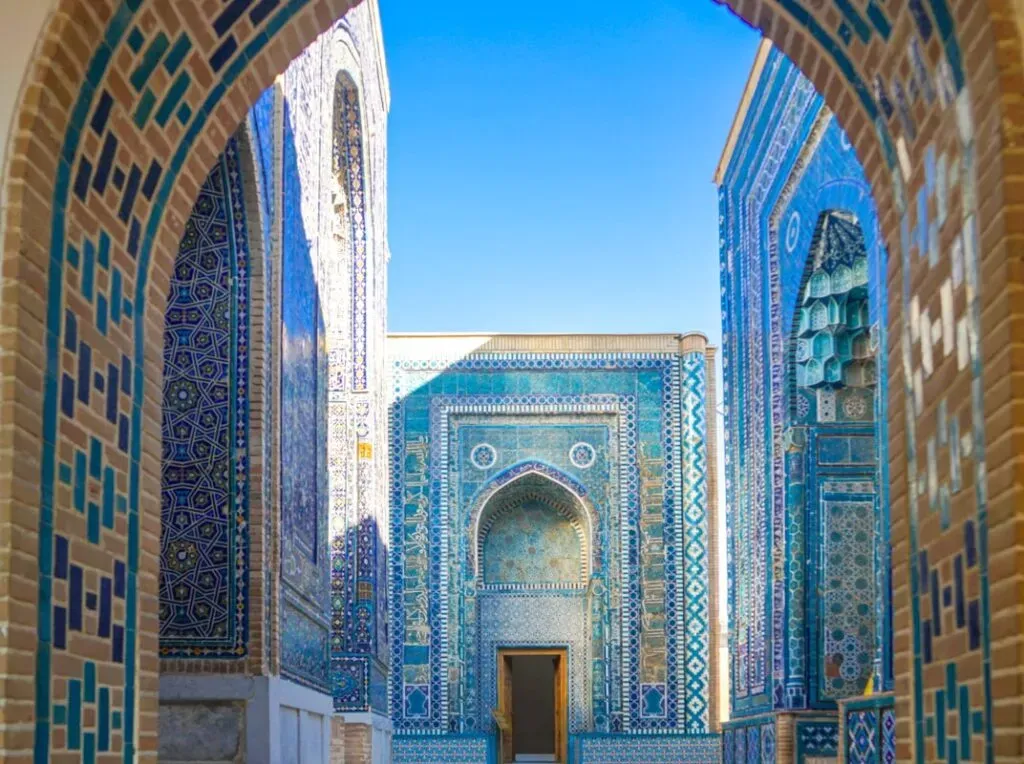
Shah-i-Zinda Uzbekistan is one of those places that actually lives up to the hype. It is a steep avenue of turquoise domes and Timurid mausoleums, and plenty of travelers rank it right alongside Registan as the reason they came to Samarkand. Locals call it the "City of the Dead," which sounds grim until you are standing there. Then it just feels electric. The corridors are lined with ceramic work so fine it looks like jewelry, and the blues change by the hour as the sun moves overhead.
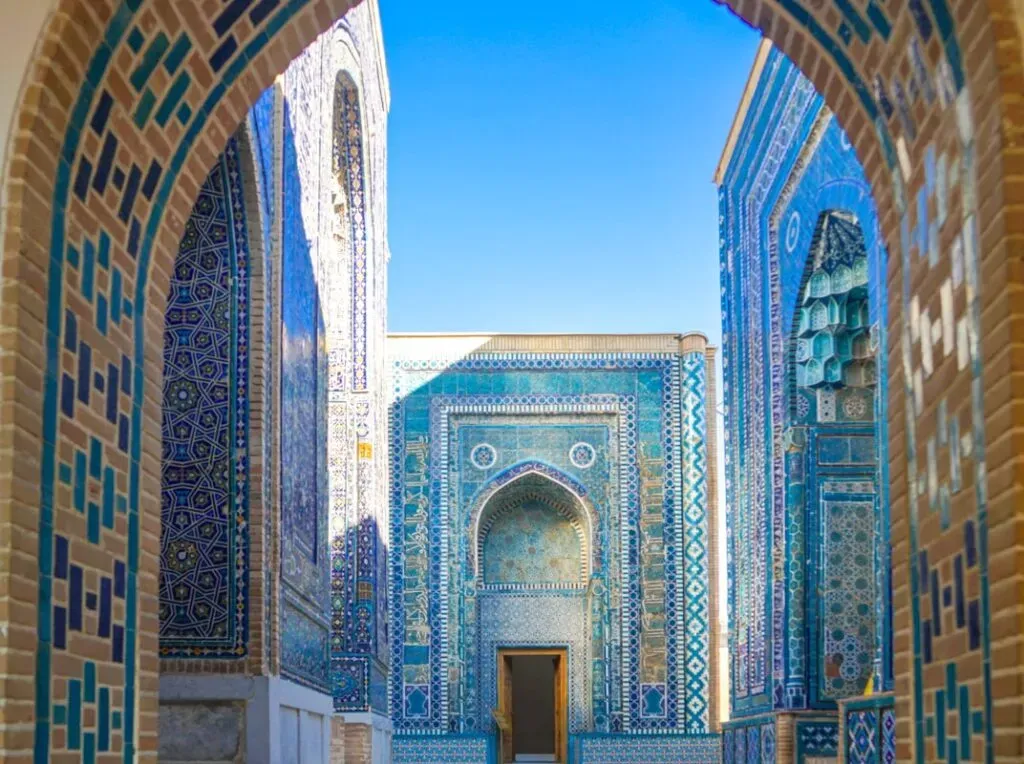
Why Shah-i-Zinda in Uzbekistan captivates every traveler
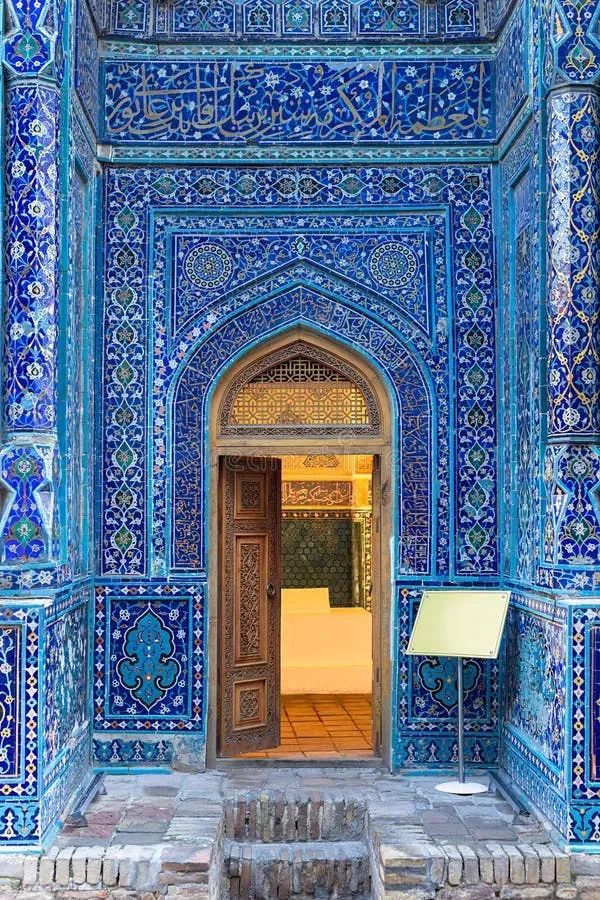
Less like a cemetery and more like someone tipped a jewelry box uphill, this steep narrow lane of mausoleums hits you with a different mix of blues, turquoises, and carved patterns at every step. The colors are so saturated that plenty of visitors end up coming back two or three times in one trip. The interiors are grand to the point of absurdity, and the walls outside are draped in blue mosaic tilework and geometric Islamic patterns. Is it the most gorgeous site in Samarkand? Registan might have something to say about that, but Shah-i-Zinda is not playing around.
You walk through the blue-tiled entrance portal and straight into a corridor of turquoise domes and dusty light. The place is busy, obviously, but somehow it does not feel wrecked by tourism. Pilgrims whisper prayers in doorways while tourists fumble with camera settings, and the overlap is strangely natural. It is one of the few places in Central Asia where you can feel the weight of the past without needing a lecture to explain it.
Things to do at Shah-i-Zinda
What is the Shah-i-Zinda necropolis?
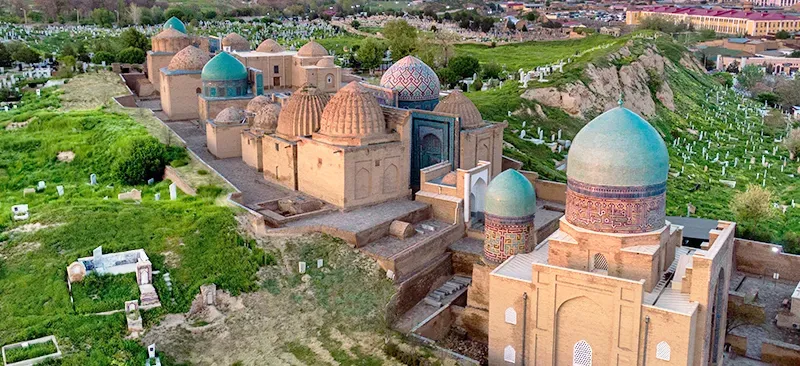
Really, Shah-i-Zinda is just a holy burial complex at bottom. A group of chapels and mausoleums for Samarkand's dead elite. The name comes from Persian: "The Living King," which refers to the legends that hang over the place like smoke. The complex sits inside the UNESCO heritage area of historic Samarkand and holds roughly forty-four distinct elements to look at, from old mosques and prayer halls to the heavily tiled tombs themselves.
When was Shah-i-Zinda built?
The origins reach back to the 7th century, though most of what you see today went up between roughly 1360 and the middle of the 1400s, just as Timur was turning Samarkand into his capital. Fragments of some of the earliest Islamic structures in the city are still mixed into the complex, and chartak gateways connect architectural layers from the 11th, 12th, 13th, 14th, and 15th centuries. Renovations have been continual, some of them surprisingly recent, which is why the upper portions of many buildings still look sharp. Dated inscriptions and intact ceramic tiles give you a crash course in Islamic architectural decoration from a period when Central Asian art was basically running the table.
The living king legend
The whole complex is tied to Qutham ibn Abbas, a cousin of the Prophet Muhammad who showed up in Central Asia during the 7th century to spread Islam. Local tradition says he was beheaded by enemies while preaching, then picked up his own head and walked into a deep well or underground chamber where he still lives spiritually. That is the legend, anyway. Because of it, he became known as "Shah-i-Zinda," the Living King. The upper cluster around his mashhad is still the best part of the site, a working place of pilgrimage that the tour groups filing through below mostly ignore.
The royal avenue and Timurid tombs
The avenue holds a collection of royal mausoleums lined up shoulder to shoulder, including some dedicated to female royals and close family members of Timur, like the tomb of Tuman Aka. Members of the Timurid royal family, scholars, and commanders of Amir Temur are all buried here, and almost every building is a distinct piece of work. The glazed tiles bulge out in three dimensions, Arabic calligraphy curls across the walls, and the wooden doors are carved with scenes that chart royal patronage across generations. Timurid ribbed domes crown the structures, and the narrow corridors at certain points force you right up against the tilework, which can feel almost claustrophobic. The octagon area containing the tomb of Quotham Ibn Abass is closed to entry, though its exterior still anchors the spiritual center of the complex.
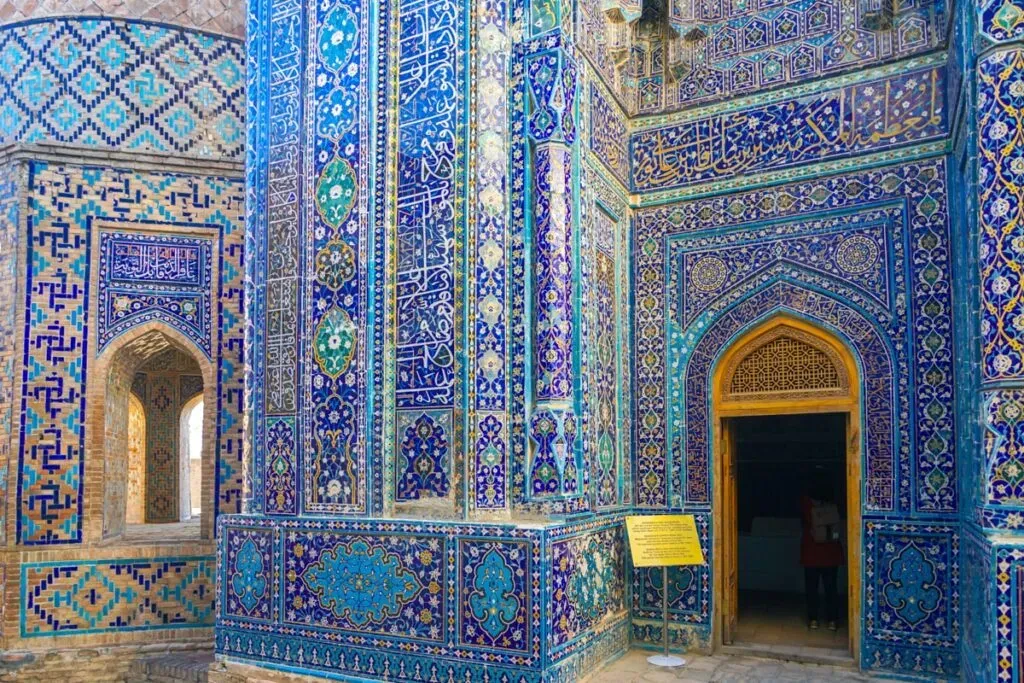
Photography and the play of light
This is the spot you have seen all over Instagram, and honestly the photos do not lie. If you can, show up around 6 PM near sunset, when the warm light hits the tiles and the colors go almost neon. Golden sun against blue ceramic makes for easy photography, and the atmosphere is better than anything you could filter in later. Dawn and dusk are the obvious windows, since midday sun flattens everything out. For the sharpest images and the fewest people, get there early around 7 or 8 AM, or come back near 6 PM when the corridors finally calm down.
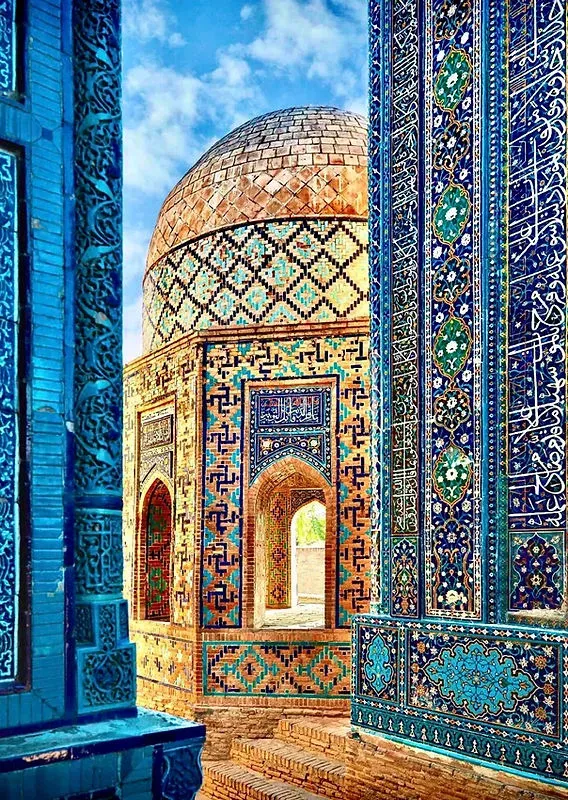
For the classic composition, stand at the far end of the necropolis and zoom in toward the entrance, letting the arch frame your shot. Inside a few of the tombs, plant yourself in the center and shoot straight up. The ceilings are perfectly symmetrical and most visitors miss them entirely because they are too busy looking ahead. The shrine of Qusam ibn Abbas at the far end glows particularly hard as the day fades, and the viewpoint over the city is worth the climb even if you do not own a camera.
Shah-i-Zinda Uzbekistan travel guide
Is it worth visiting?
If you have one day in Samarkand, you see Registan and you see Shah-i-Zinda Uzbekistan. That is the deal. The complex is a highlight of any Uzbekistan itinerary and an essential stop in the city. The architecture inside is beautiful, the patterns are mesmerizing, and for plenty of visitors the overall experience is second only to the main square. I will be honest, some people find the impact a little muted after the blast of Registan. But it is still worth the detour, especially if you arrive when the light is right and the corridors have emptied out.
Entrance fee
Tourist entry fees have shifted over recent seasons. Earlier rates were near 40,000 som, about $5. Now the standard is closer to 80,000 UZS. Depending on the season and current mood of the ticket office, you might pay anywhere from 75,000 to 100,000 UZS. The price is still reasonable for what you get, and if you care about Islamic art or Timurid history, you will not feel robbed.
Navigating crowds and the 34 stairs
Thirty-four steep stairs lead up to the main avenue, so plan your pacing accordingly. The lane narrows at several points, and by midmorning the corridor turns into a bazaar. Visitors plant themselves in doorways convinced that a picture is only good if they stand dead center. To avoid that mess, skip the late afternoon rush around 5 PM and aim for early morning or evening, when the site feels almost private. Get the timing right and you can end up virtually alone with the tilework.
What to wear and cultural etiquette
Shah-i-Zinda is still a sacred pilgrimage site, so respectful dress matters. Women should cover their hair. If you forget a scarf, you can usually borrow one at the entrance. Modest clothing is expected throughout the complex, especially if you plan to enter the mosque for Juma namaz or approach the shrine of Kusam ibn Abbas, where pilgrims still gather in quiet reverence.
Don't miss the hidden viewpoints
Most visitors obsess over the mausoleums and miss the vistas just beyond them. A viewpoint over the city sits near the upper sections, and a view of the Bibi Khanum Mosque opens up just up the stairs on the right. That perspective is still surprisingly uncrowded.
Best time to visit
Spring, from April to May, and autumn, from September to October, offer the most comfortable weather for climbing those outdoor stairways and wandering the open corridors. Within the day, dawn and dusk are the obvious winners. The light is softer, the tiles glow, and the place feels heavier somehow. Late afternoon around 6 PM gives you richer colors for photography. If you are willing to get up early, 7 or 8 AM brings cooler temperatures and near-solitude before the tour buses show up.
Final thoughts
Shah-i-Zinda is not just a sightseeing stop. It is a steep climb through some of the most important Islamic art left in Central Asia. Between the legends of the living king and the sheer variety of glazes across the Timurid mausoleums, every step up that narrow lane reveals something different. You stop for a layer of blue tile. You pause for a prayer whispered in a doorway. You look up and a carved pattern is suddenly on fire with sunlight. Come early, look up, and let the corridor do its work.