Redwood National Park California: The Tallest Trees Guide
Walking among trees that predate the Roman Empire puts things in perspective. Here's everything you need to know about visiting Redwood National Park California.
These Trees Will Make You Feel Small (In a Good Way)
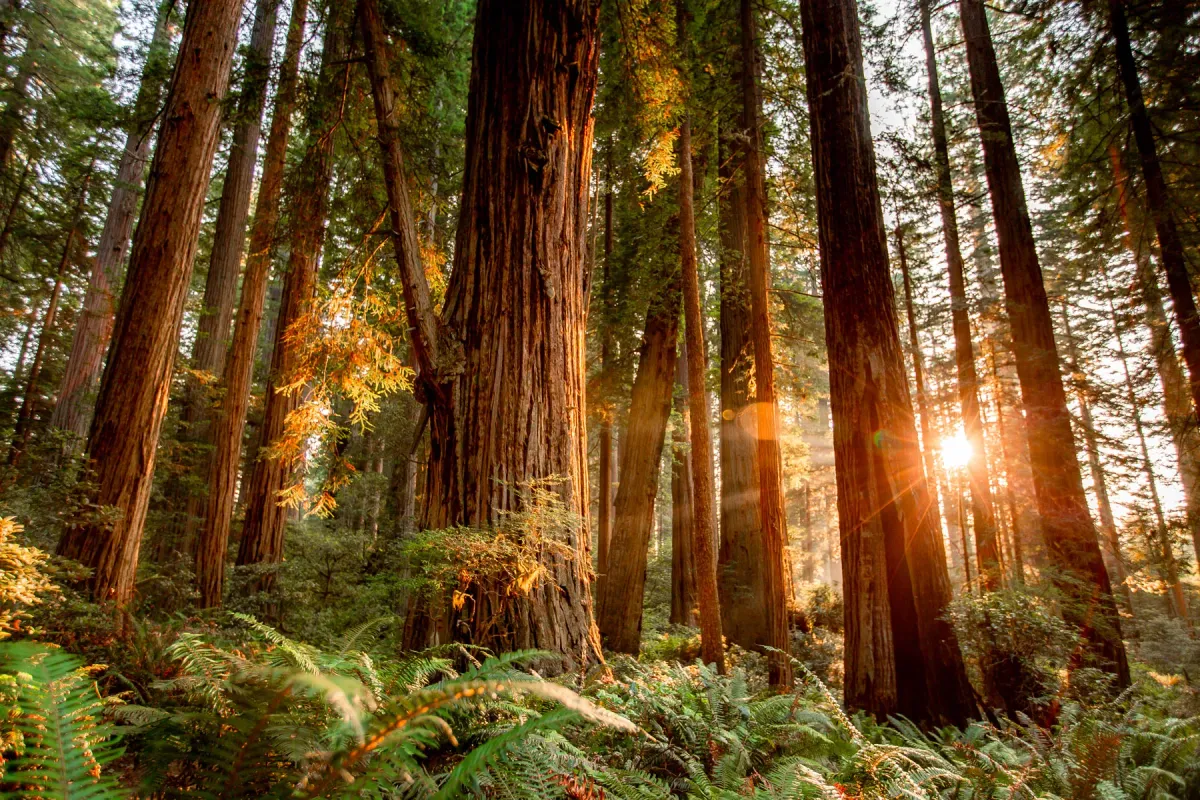
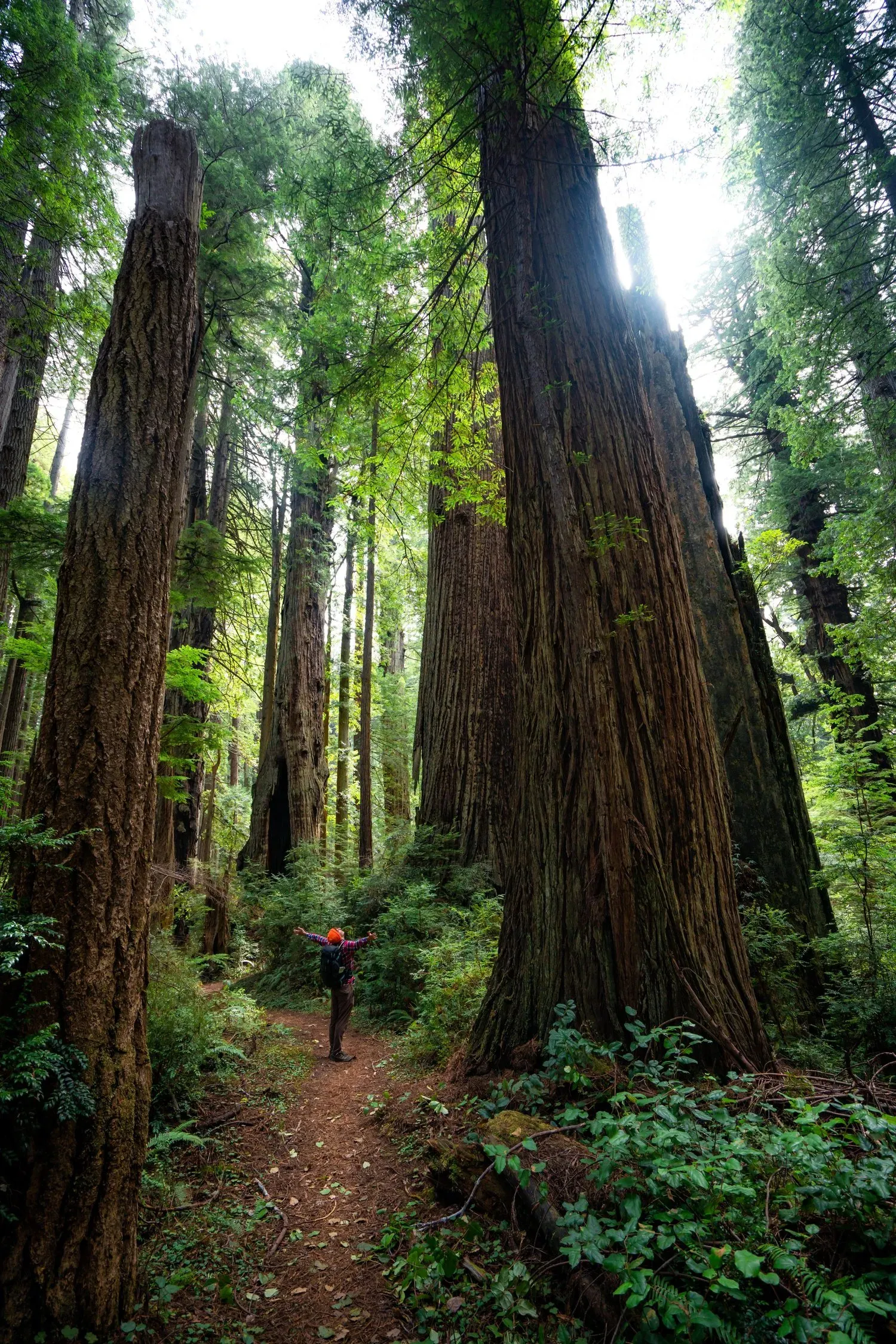
Redwood National Park California is where you go when you need to remember how big the world really is. I visited in June 2026, right before the summer crowds showed up, and spent three days wandering through groves of coast redwoods. These are the tallest living things on Earth. Nothing prepares you for that first moment when you tilt your head back and follow a trunk up, up, up until it disappears into the canopy.
The bases of these ancient trees stretch over 10 feet wide. Sunlight filters through leaves hundreds of feet above, casting everything in a soft green light that feels almost holy. I don't use that word lightly. There's something about standing in a 2,000-year-old forest that quiets the noise in your head.
What Redwood National Park California actually is
Walking among these trees creates a specific feeling. It's not just pretty scenery. You feel tiny. Insignificant, but in a way that somehow feels comforting rather than depressing. The forest has a hush to it that you don't find many places. Ferns glow at your feet. Time slows down.
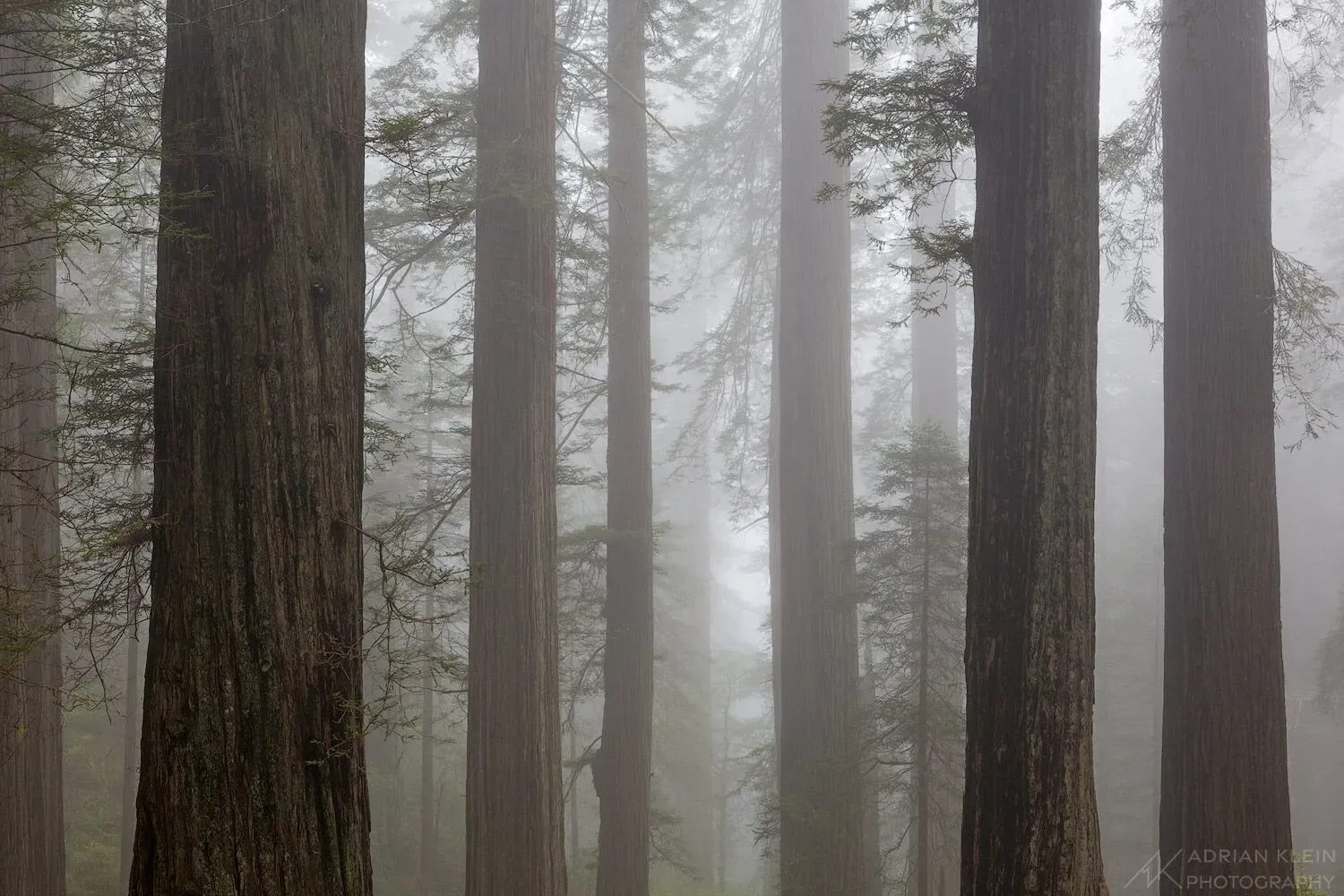
People call it a living cathedral or real-life Jurassic Park. I get it. The ferns really do look prehistoric, and when the fog rolls through the groves, you half expect to see something ancient lumbering between the trunks.
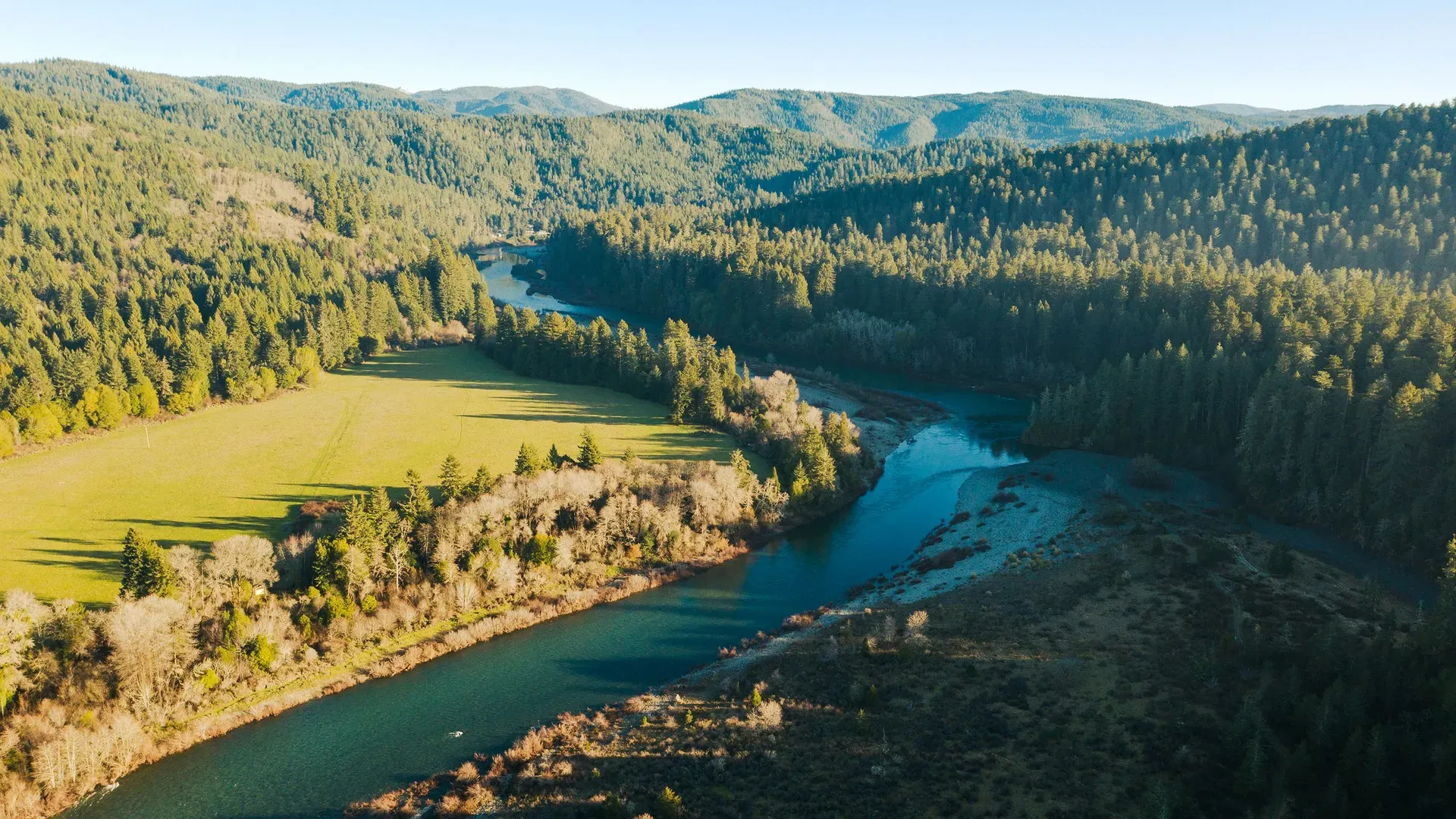
The thing is, the park offers more than just big trees. You've got rugged coastline, empty beaches, elk wandering through meadows, and lakes you can actually swim in. The whole package is spread across a weird patchwork of federal and state lands that confuses everyone at first.
How this place actually works
The layout confuses everyone
First thing to know: Redwood National Park is technically a joint operation with California's redwood state parks. The boundaries blur together. You'll drive on Highway 101 and pass signs for state parks, then federal parks, then back again. Don't worry about which jurisdiction you're in. Just enjoy the trees.
The whole system stretches over an hour's drive north to south. Entry is free, which still shocks me. Most national parks charge $35 now. Cell service dies as you approach the parks, so download offline maps before you get there.
The Thomas Kuchel Visitor Center sits near the southern entrance. It's a good place to use the bathroom, grab water, and look at exhibits that explain why these trees get so big. Then you can actually go see them.
The trails worth your time
Lady Bird Johnson Grove was my first hike. It's easy. Maybe a mile and a half loop through old-growth forest where the trees actually do seem to touch the sky. If you only do one trail, do this one.
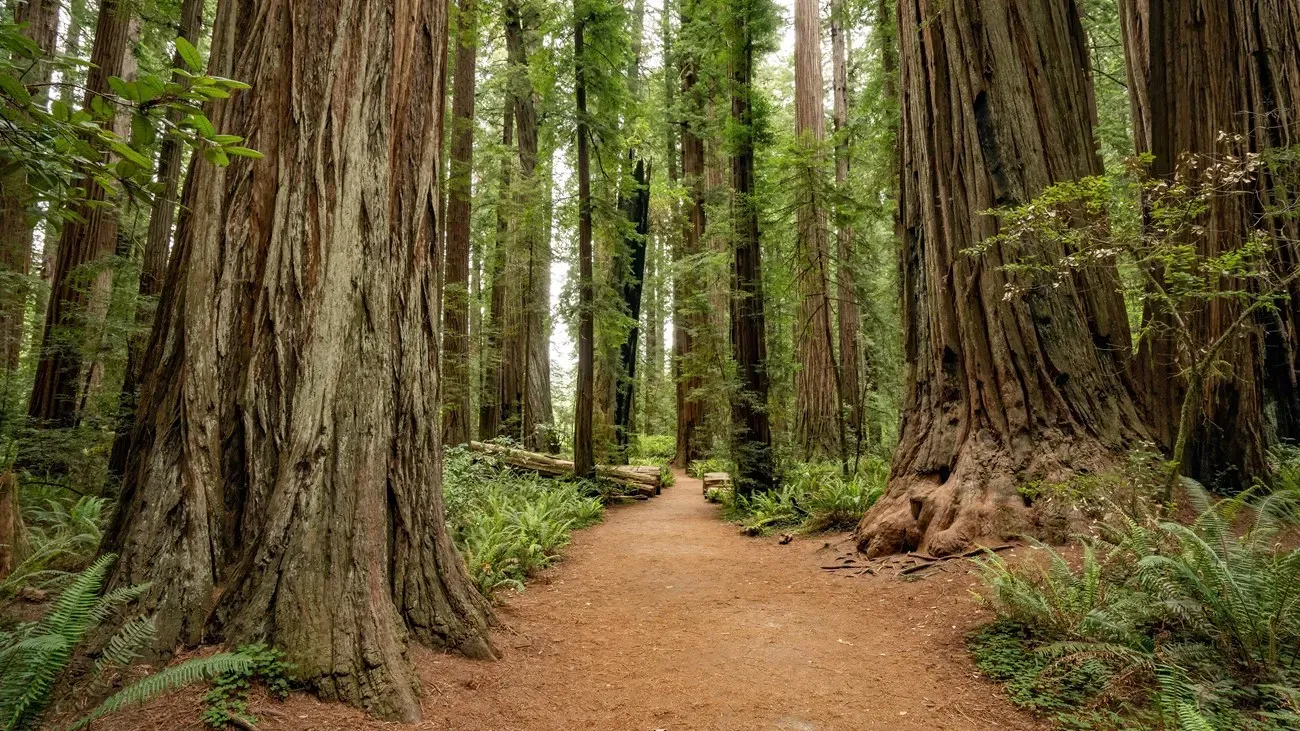
If you want the biggest trees, find the Grove of Titans. You access it from the Jedediah trailhead. The trees here are so large that photos don't work. I tried. The camera can't capture it. You have to stand beneath them. The diameter of some trunks exceeds 20 feet.
Fern Canyon is the park's most bizarre landscape. It's a narrow gorge with walls completely covered in ferns. Like, completely. During summer you need a timed reservation and pay $12 to enter. The drive there along Davison Road is dusty and narrow. Your car will get dirty.
Other spots worth checking: Trillium Falls, Newton B. Drury Parkway, and the Klamath River Outlook. Drive the Avenue of the Giants south of the main park area too. The trees there feel sacred. You'll pull over every five minutes.
The animals you'll see
Roosevelt elk wander everywhere. I saw three herds in two days. They graze in meadows right next to the highway. February is actually great for elk sightings. The crowds thin out to almost zero, and the forest goes silent. Eerily silent.
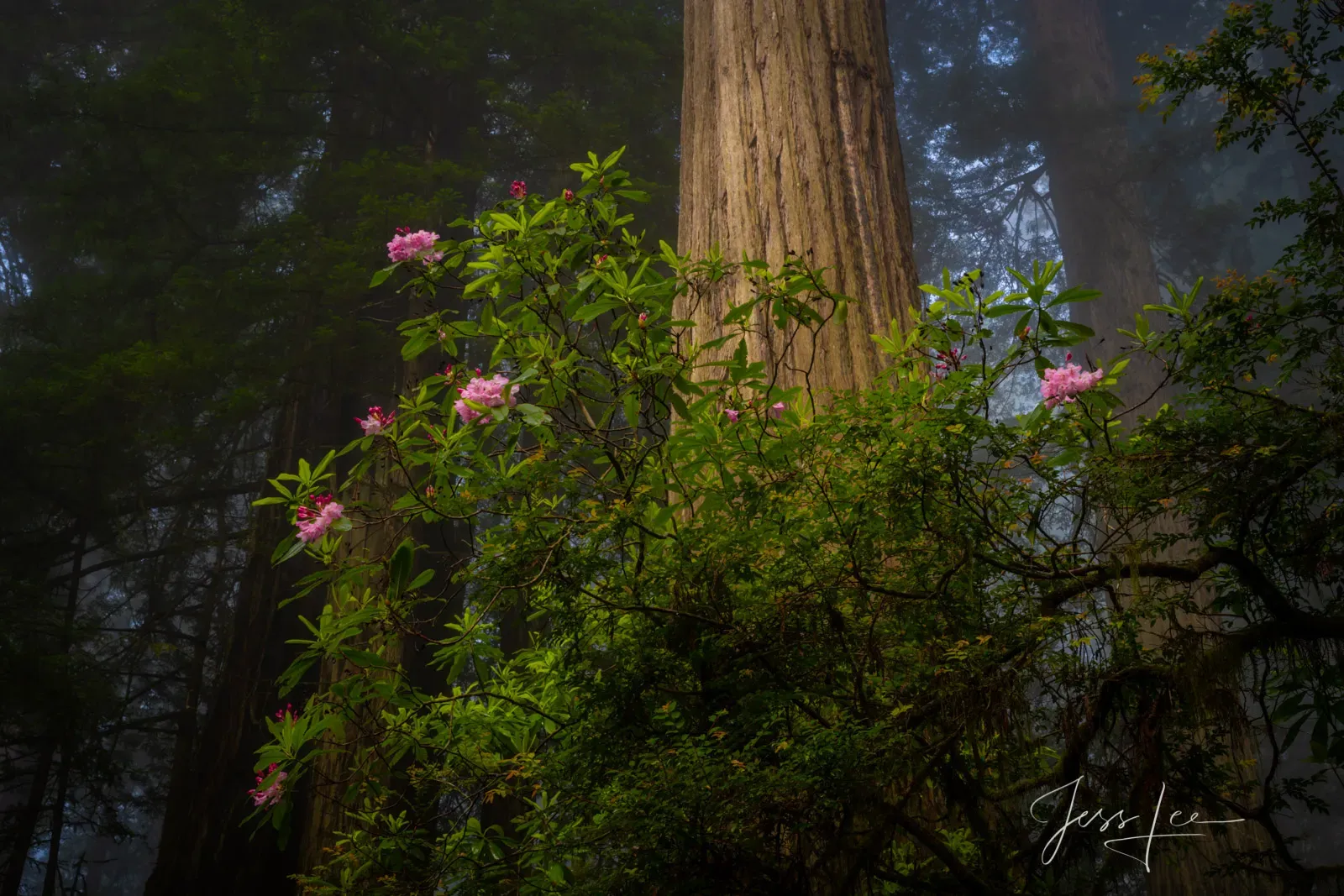
The ferns on the forest floor grow three to six feet tall. In spring and early summer, pink rhododendrons bloom against the tree trunks. It looks fake, like someone painted them there.
Should you actually go?
Yes. Unequivocally yes. Redwood National Park California ranks among the best natural experiences in the United States. The free entry, the accessible viewpoints, the sheer absurdity of trees that grow over 350 feet tall. It's essential.
The park works for everyone. Limited mobility? You can see plenty from your car and do short walks. Hardcore hiker? There are backcountry trails that go deep into old-growth forest. Photographer? The light through the canopy is unreal. Kids? They'll lose their minds when they see the size of these things.
Getting to Redwood National Park California
Highway 101 runs right through the park. From San Francisco, it's a long drive. Several hours. But the last hour or two, you're driving through redwoods lining the road.
Navigation gets tricky because of the dead zones. Download Google Maps offline. Parking isn't always formal lots. Often you just pull over on the shoulder. Multiple visitor centers exist along the route.
Fern Canyon and Tall Trees Grove require driving on unpaved roads. They're dusty, narrow, and winding. A high-clearance vehicle helps, but regular cars can manage if you drive slowly.
The best hikes ranked
The trail network is extensive and well-maintained. Options exist for every fitness level.
Easy: Lady Bird Johnson Grove Trail. Short loop, maximum impact. You get the full experience without breaking a sweat.
Moderate: Trillium Falls combines forest hiking with a waterfall. The Jedediah Smith trails add river views to the tree experience.
Reservations required: Fern Canyon and Tall Trees Grove both need advance booking during peak season. Don't show up without one.
What you need to know before visiting
Packing list
Northern California coast stays chilly year-round. Late fall through early spring brings regular rain. Pack layers and waterproof gear no matter when you visit. The forest floor gets slippery. Wear proper hiking boots.
How long to stay
You need at least a few hours to do the park justice. Multiple days let you explore properly. Driving from one end to the other takes over an hour, so group activities by area. Don't try to hit everything in one day.
Visiting with children
This place is perfect for families. Kids respond to the scale with genuine wonder. The ADA-accessible trails mean strollers and wheelchairs work fine. The beaches add variety. The towns nearby have food and hotels.
Where to sleep
Campgrounds throughout the park are clean and well-located. You can hear the forest at night. It gets profoundly quiet. Hotels exist in nearby towns if you prefer walls.
When to visit Redwood National Park California
May through September works best. June 2026 offers particularly good conditions. The weather stays mild, the forest stays green, and the crowds haven't peaked yet.
Each season offers something different. Winter visits, especially February, give you solitude and elk sightings. The rain and damp create moody conditions. Spring brings the rhododendron blooms. Summer requires those advance reservations but has the most reliable weather. Fall has crisp air and good light for photos.
The bottom line
Redwood National Park California is not overrated. It delivers on every promise. Walking beneath trees that sprouted when Rome was still a republic changes something in you. The air smells like rain and moss. The silence presses against your ears.
Photos will never capture it. You have to go. You have to stand there and feel small. Once you do, you'll understand why people keep coming back. These trees demand to be seen in person. Nothing else works.