Pudacuo National Park: Complete Guide to Shangri-La China
Pudacuo National Park sits 30 minutes from Shangri-La and offers a real taste of Tibetan plateau wilderness. Here's everything you need to know before visiting China's first national park.
Discovering Pudacuo National Park
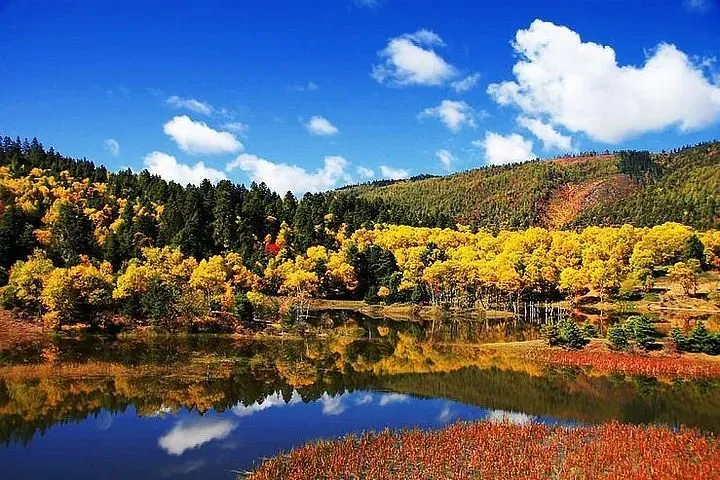
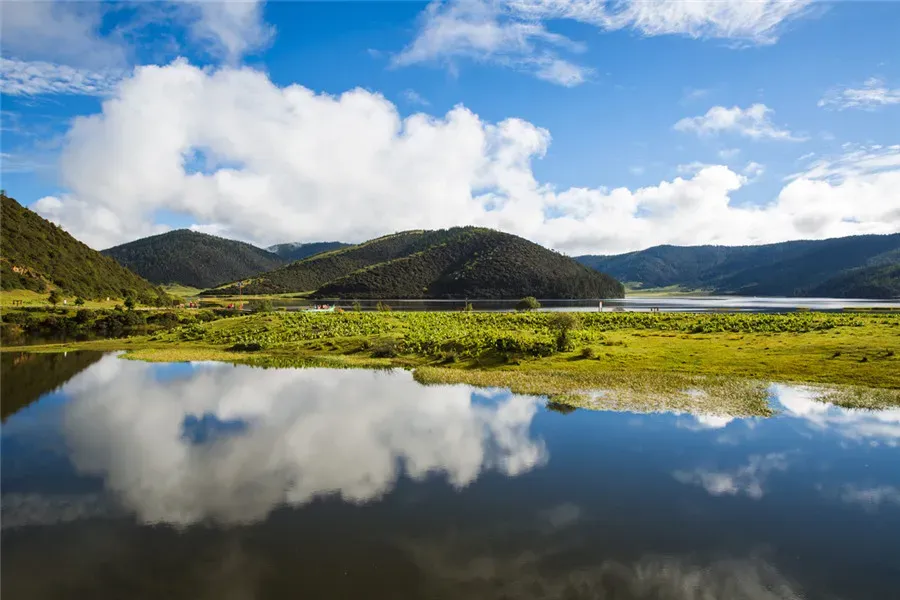
Pudacuo National Park sits on the eastern edge of the Tibetan plateau. It is China's first protected wilderness area, located approximately 30 kilometers from Dukezong Old Town in Shangri-La, about a 30-minute drive. This UNESCO World Heritage site within the Three Parallel Rivers region has crystalline alpine lakes, snow-dusted pastures, and old-growth forests stretching across elevations from 3,500 to 4,100 meters above sea level.
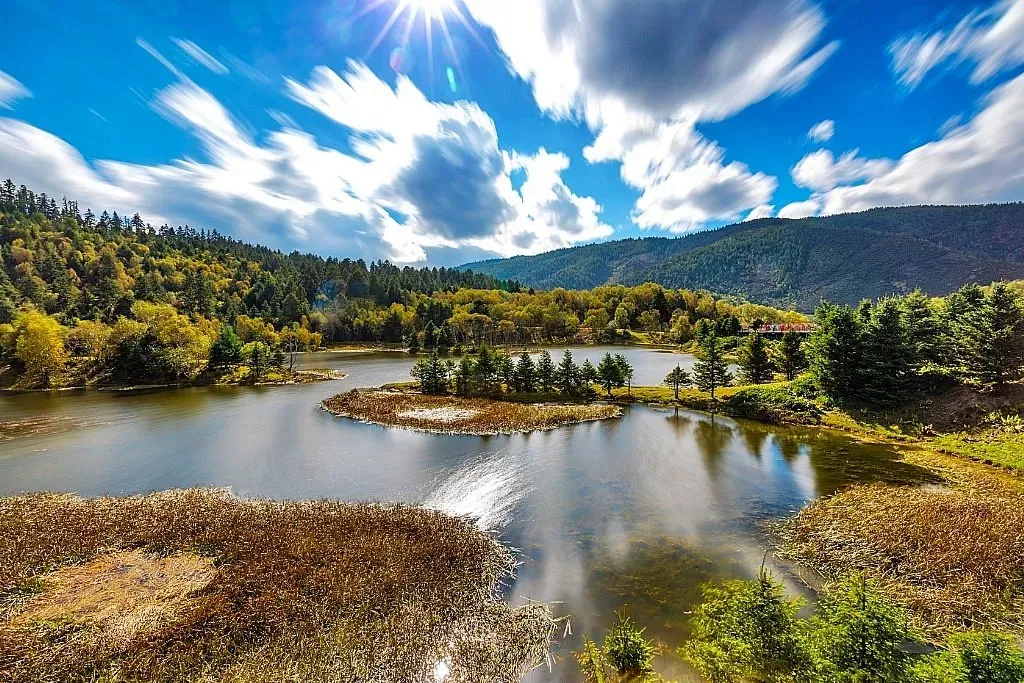
The park derives its fame as a serene winter escape, where frozen Shudu and Bitahai lakes create mirror-like surfaces beneath snow-capped peaks, and migratory birds congregate in the highland meadows. But this high-altitude sanctuary demands respect. The thin air at 3,600 to 3,700 meters can trigger headaches, shortness of breath, and accelerated heartbeats in those unaccustomed to elevation.
What makes Pudacuo National Park special
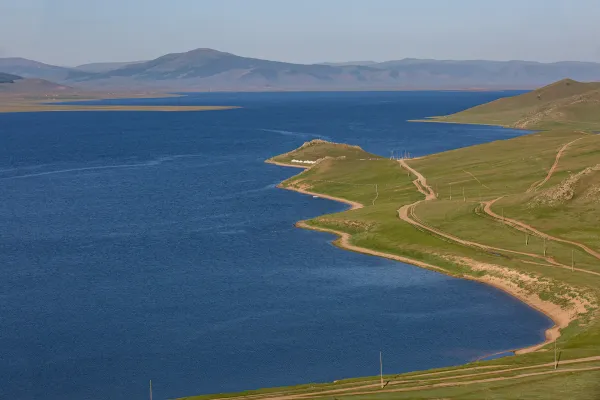
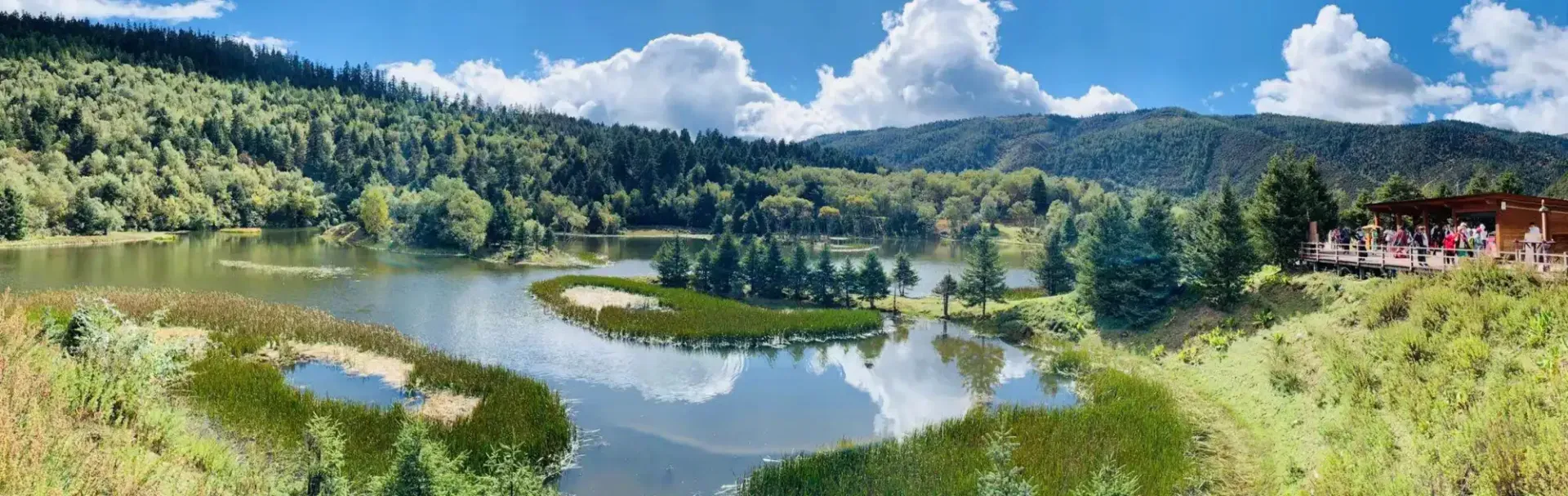
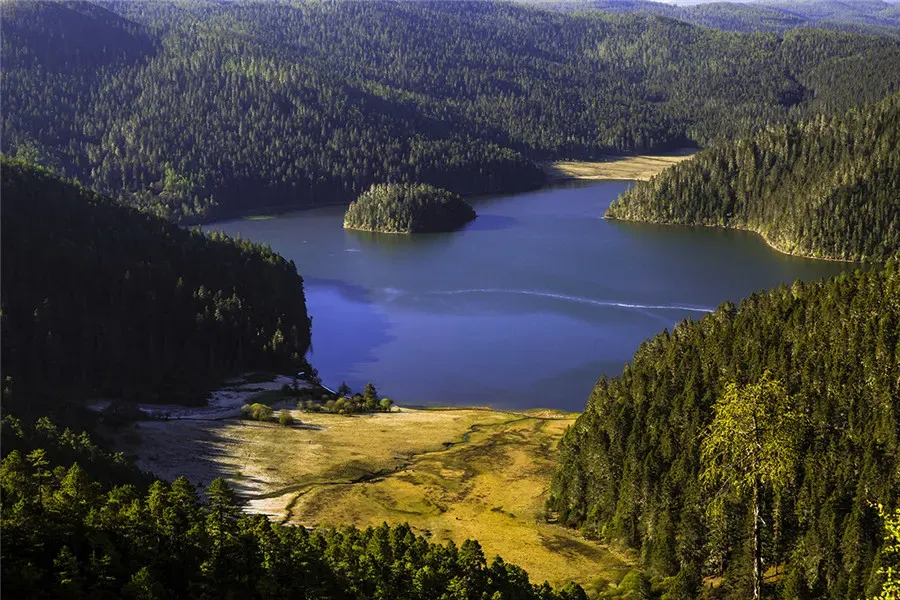
The defining experience at Pudacuo National Park centers on its two principal attractions: Shudu Lake (属都湖) and Bitahai Lake (碧塔海), locally known as Bita Lake. These alpine bodies sit at opposite ends of the park, connected by a network of shuttle buses and hiking trails that traverse vast meadows with the Tibetan plateau rising in the background.
Wildlife encounters punctuate the journey. Wild yaks and horses roam freely across the Militang Alpine Pasture, while visitors who pack biscuits can feed the birds and tame squirrels that approach the boardwalks. This is particularly magical during December visits when snow blankets the ground. On clear days, the distant peak of Yulong Snow Mountain reveals itself, adding another dimension to the scenery.
Exploring the park: routes and experiences
The shuttle bus circuit
The park operates a mandatory shuttle bus system that transports visitors between designated spots in a prescribed order. The buses run from the main entrance, marked by a distinctive boulder-like ticketing complex, to Shudu Lake, then onward through the Militang Alpine Pasture area, and finally to Bitahai Lake before returning.
At each stop, visitors face a choice: stroll the wooden boardwalks circumnavigating the lake shores, or opt for the scenic boat ferries that cut across the water. The ferry rides last approximately five minutes and connect to alternate piers, reducing the walking distance significantly. For those completing the full hiking circuit between lakes without boat assistance, plan for approximately 4.5 hours of steady walking.
Hiking the boardwalks
The trails at Pudacuo National Park feature exceptionally well-maintained boardwalks and smooth paths without excessive stairs, making them accessible for most fitness levels. Each of the three main tourist spots offers trails spanning 2 to 3 kilometers, with clean public toilets positioned at the start and end of every route.
For photography enthusiasts, drones are permitted at Shudu Lake, offering aerial perspectives of the winding waterways and surrounding forests. The wooden pathways extend from pier to pier, allowing visitors to set their own pace while soaking in the alpine atmosphere.
Seasonal considerations
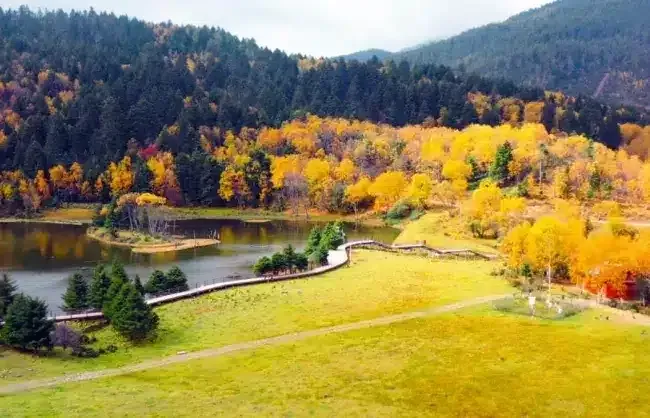
Weather heavily dictates the experience. Sunshine transforms the landscape into a photographer's paradise with clear reflections and brilliant blue skies. Rain and drizzle, however, turn the adventure into a challenging slog. The 70-minute walks between stops feel significantly longer when battling the elements with inadequate shelter.
November visits present a mixed proposition. While the park remains open, partial closures restrict access to just two lake locations, with the Militang Alpine Pasture often off-limits. The autumn colors largely fade to yellows alone, the pastures turn dry, and frost covers the ground by midday. December brings snow clusters across the landscape and fewer crowds, but the same limited access applies.
Practical information and tips
How to get to Pudacuo National Park
Transportation from Shangri-La is straightforward. Catching a Didi ride from Dukezong Old Town costs approximately 200 yuan round trip and delivers you to the entrance in about 30 minutes. Foreign visitors must present passports when purchasing tickets. No advance booking or private tours are necessary.
Pudacuo National Park entrance fee and costs
The base Pudacuo National Park entrance fee runs 138 yuan, which includes the shuttle bus transportation within the park. Optional boat rides across the lakes cost an additional 65 yuan per crossing. These are essentially mandatory unless you're prepared to walk the 4-kilometer stretches between piers at each stop.
Food options exist but are limited. Small stalls near the entrance parking lot offer basic sustenance, while a convenience store inside the park sells drinks and snacks at marked-up prices. The retail area beyond the distinctive ticketing boulder also serves warm beverages. Bubble tea provides welcome relief after rainy-day walks.
What to bring and how to prepare
Altitude preparation is non-negotiable. The thin oxygen at 3,600 to 3,700 meters affects most visitors to some degree. Walk slowly, avoid running, and keep portable oxygen canisters handy. These are available for purchase at the park entrance. Those prone to altitude sickness should consider acclimatizing in Shangri-La before attempting the full circuit.
Cold weather gear proves essential even outside winter months. The highland wind bites sharply, especially in shaded areas. While jacket rentals are available on-site, bringing layers ensures comfort. Smokers must surrender lighters at the gate. Designated smoking rooms are provided inside, and violations carry heavy fines.
Pack snacks and plenty of water regardless of season. A leisurely visit with photography stops easily consumes five hours, and dehydration accelerates at altitude.
Best time to visit Pudacuo National Park
Spring (March through May) and Autumn (September through November) represent the optimal windows according to official guidance, when temperatures moderate and wildlife activity peaks. However, experiences vary dramatically by month.
For those seeking the quintessential winter experience at Pudacuo National Park, December offers snow-dusted landscapes with clear skies and minimal crowds. The frozen lakes create unique photographic opportunities, though frost and limited ferry operations constrain exploration.
Summer visits bring lush greenery and active wildlife but also unpredictable rain. Autumn theoretically showcases colorful foliage, though November visitors report disappointment. Colors peak early and fade quickly at this elevation.
Is Pudacuo National Park worth visiting?
I'll be straight with you: whether Pudacuo wows you depends on where you've been before. If you've already hit the premium 5A spots like Kanas Lake in Xinjiang or Keketuohai National Geopark, Pudacuo's lake-and-forest combo might feel like a rerun. The scenery here is beautiful, but it's not as dramatic as what you'll find elsewhere in China.
But if you're already in Shangri-La with a day to kill, the park offers a real high-altitude wilderness fix. The UNESCO World Heritage status helps, and it's only 30 minutes from town, so it's an easy add to your Yunnan plans. Alternative destinations worth considering include Balagezong, Meili Snow Mountain, and Abujico if Pudacuo appears limited.
If this is your first Chinese national park, Pudacuo serves as a solid introduction to Tibetan plateau ecology. But if you're a national park veteran, dial back your expectations.
Final thoughts
Pudacuo National Park is China's ambitious attempt to create a Yellowstone-style protected wilderness on the roof of the world. The infrastructure impresses. Shuttle buses run efficiently, boardwalks remain pristine, and wildlife thrives in the designated zones. Yet the experience hinges on transparency: check current closure status before purchasing tickets, confirm which sections are actually open, and budget for the boat rides unless you're committed to significant walking.
Come prepared for altitude, dress for biting winds, and time your visit for clear weather. Do this, and the vast meadows, crystalline lakes, and roaming yaks deliver a memorable slice of Tibetan plateau magic just thirty minutes from Shangri-La's ancient streets.