Plitvice Lakes Croatia: Europe's Most Spectacular Waterfall Paradise
Explore Plitvice Lakes Croatia, a UNESCO waterfall paradise with 16 turquoise lakes and wooden walkways. Practical tips on routes, costs, avoiding crowds, and why autumn might be the best time to visit.
Discover Plitvice Lakes Croatia: A UNESCO Waterfall Wonderland
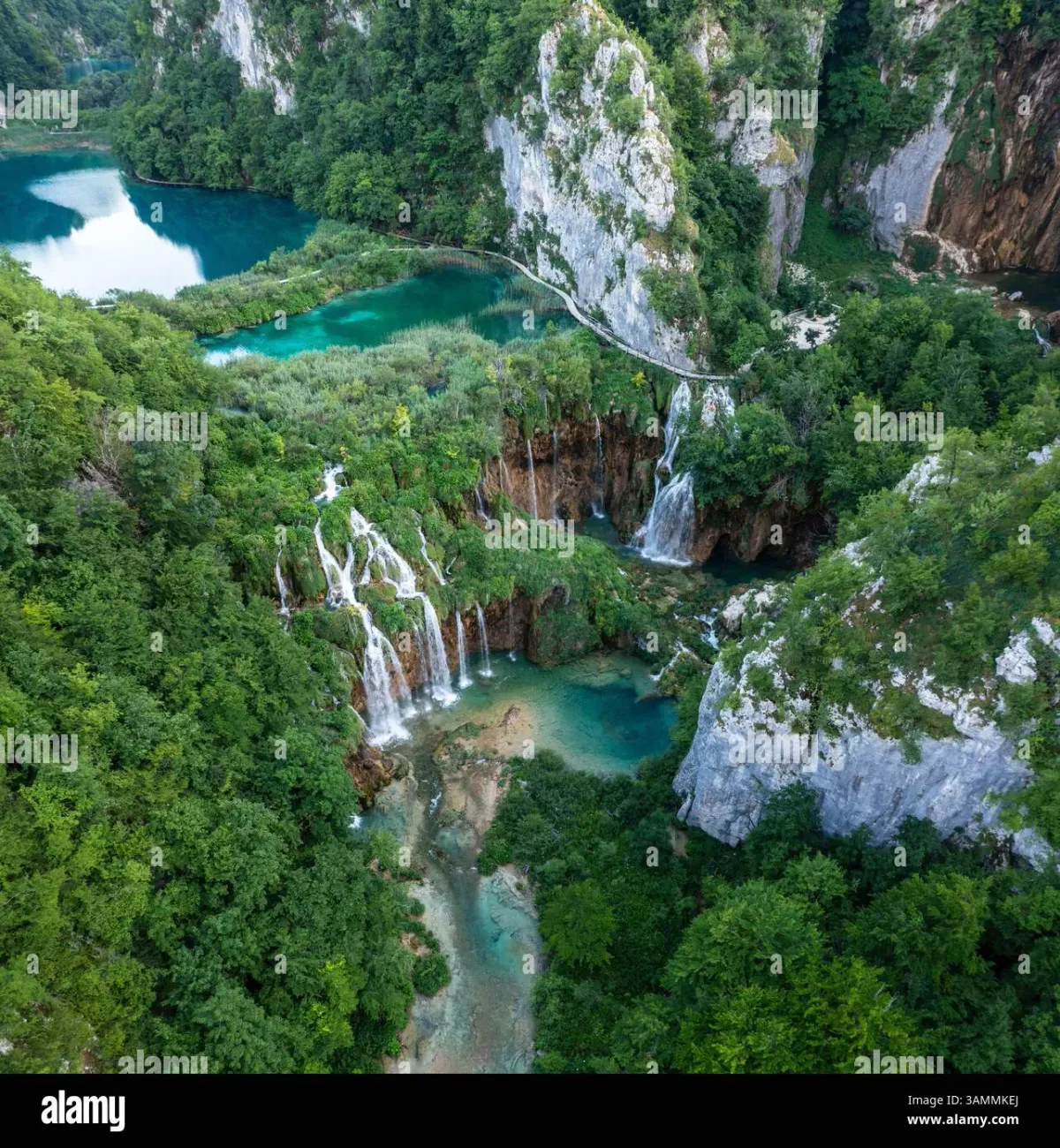
There are few places where water turns colors that seem digitally enhanced. Plitvice Lakes Croatia delivers exactly this across 16 terraced lakes connected by waterfalls. For June 2026, this national park is trending as one of Europe's most photographed destinations, drawing visitors seeking forest landscapes where wooden walkways wind through turquoise pools and cascades.
What makes Plitvice Lakes Croatia truly special
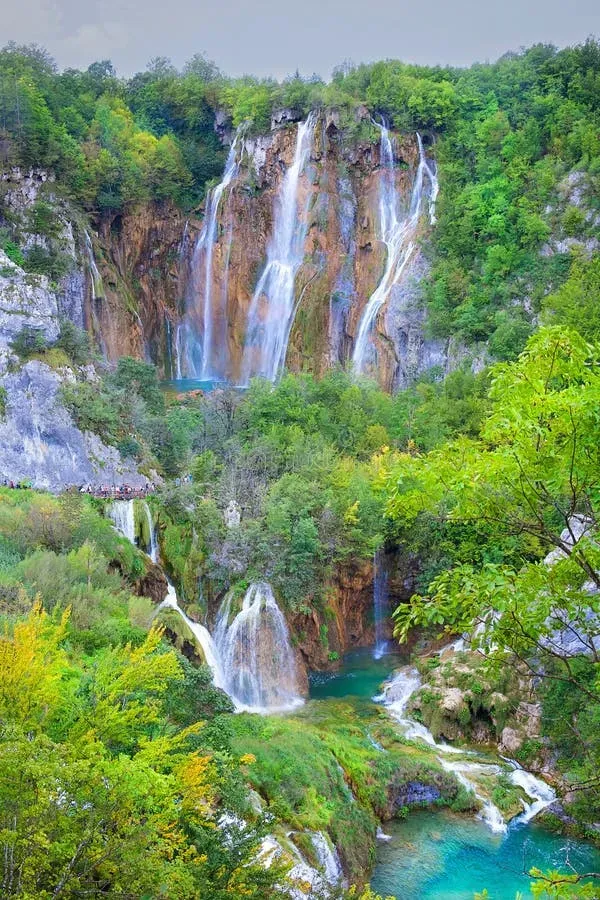
This is not just a collection of pretty waterfalls. Plitvice has a strange ecosystem where limestone geology creates natural dams through travertine deposits, forming new cascades over thousands of years. The result feels suspended between reality and something else entirely. Water changes from deep azure to emerald green as sunlight hits different depths. Waterfalls tumble over moss-covered cliffs into pools so clear that every fish and submerged branch is visible from the walkways above.
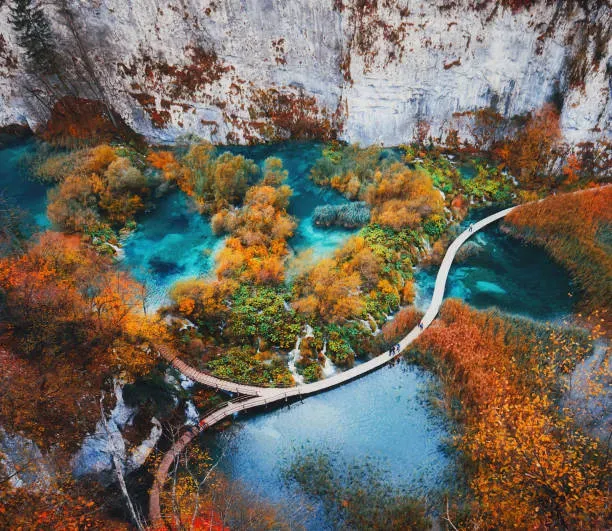
The park's infrastructure is surprisingly subtle. Raised wooden walkways and stone paths appear to float above the water, letting you walk across lake surfaces while the ecosystem carries on below. Bears and wolves live in the surrounding forests, and you might spot deer in the undergrowth or watch dragonflies skimming the water.
First impressions: walking on water
Nothing prepares you for stepping onto the weathered wooden walkways and realizing the lake extends in every direction. Beneath your feet, beside the path, framing every viewpoint. The wooden pontoons creak as they guide visitors through narrow channels where waterfalls splash close enough to feel the mist, then open into panoramas where multiple cascades frame turquoise pools.
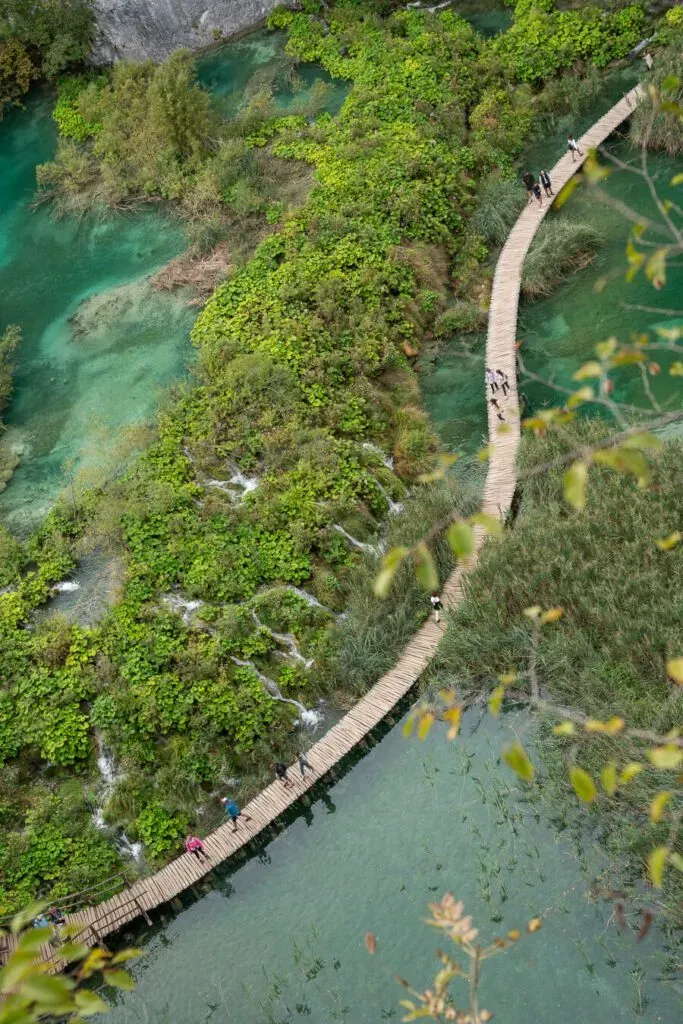
The sensory experience is strange and complete. The constant sound of falling water provides the soundtrack. There are no motorboats, just electric boats gliding silently across the larger lakes and a shuttle train-bus system transporting visitors between upper and lower lake regions. Even those with limited mobility can access spectacular viewpoints.
Choosing your route: from gentle strolls to full-day hikes
The park offers several marked circuits ranging from about 4 kilometers to 18 kilometers, each designated by letters (A, B, C, H, K) and color-coded trails. Entrance 1 remains the recommended starting point, particularly for the green-marked routes.
Route C spans roughly 8 kilometers and typically takes 3 to 5 hours depending on photography stops. This is a solid middle-ground option, combining walking with boat crossings and shuttle bus return. The route accesses both upper and lower lake areas without excessive difficulty.
Route H, at 9 kilometers, requires approximately 4 to 5 hours and is probably the best choice for first-time visitors. The circuit includes a boat crossing in the middle, giving your legs a rest while gliding across emerald water. This route sees slightly less foot traffic and includes a panoramic viewpoint that rewards the extra effort.
For dedicated hikers, Route K stretches 18 kilometers across approximately 6 hours of walking. While primarily flat, the distance covers most of the park system including more remote forest sections. The challenge is endurance rather than difficulty.
Many visitors successfully combine two routes in a single day, particularly when starting early. The connections allow for creative combinations, such as beginning Route B from Entrance 1 to the P3 dock, boating across to P1, then continuing into Route C on the upper lakes before crossing back and descending to Station 2 for the train connection.
Autumn magic: the season of golden light
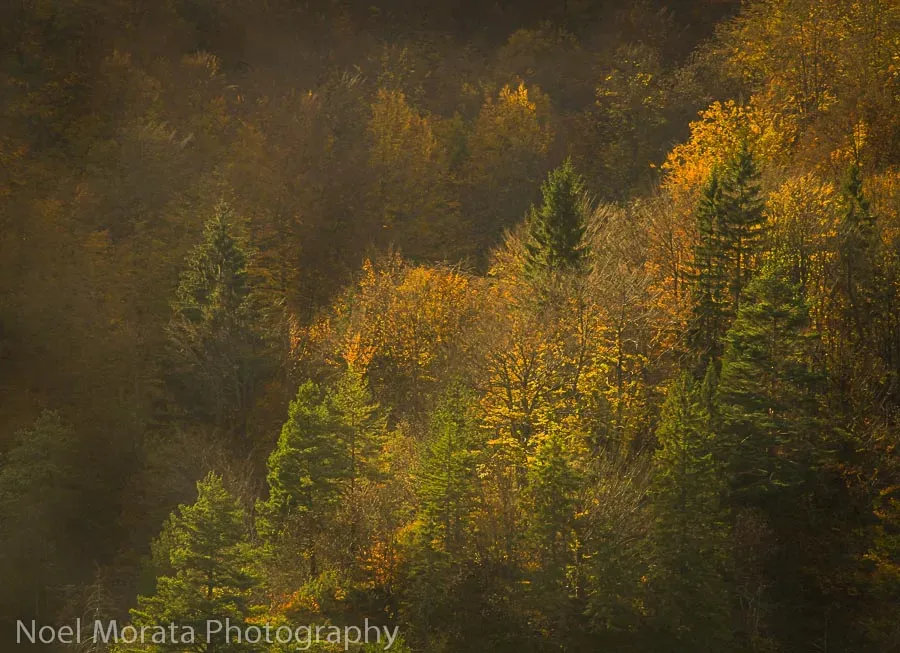
Autumn transforms Plitvice Lakes Croatia into something else. From late September through mid-October, the surrounding forests explode into reds, oranges, and golds that reflect in the turquoise waters. The paths become carpeted in fallen leaves that glow under slanted sunlight.
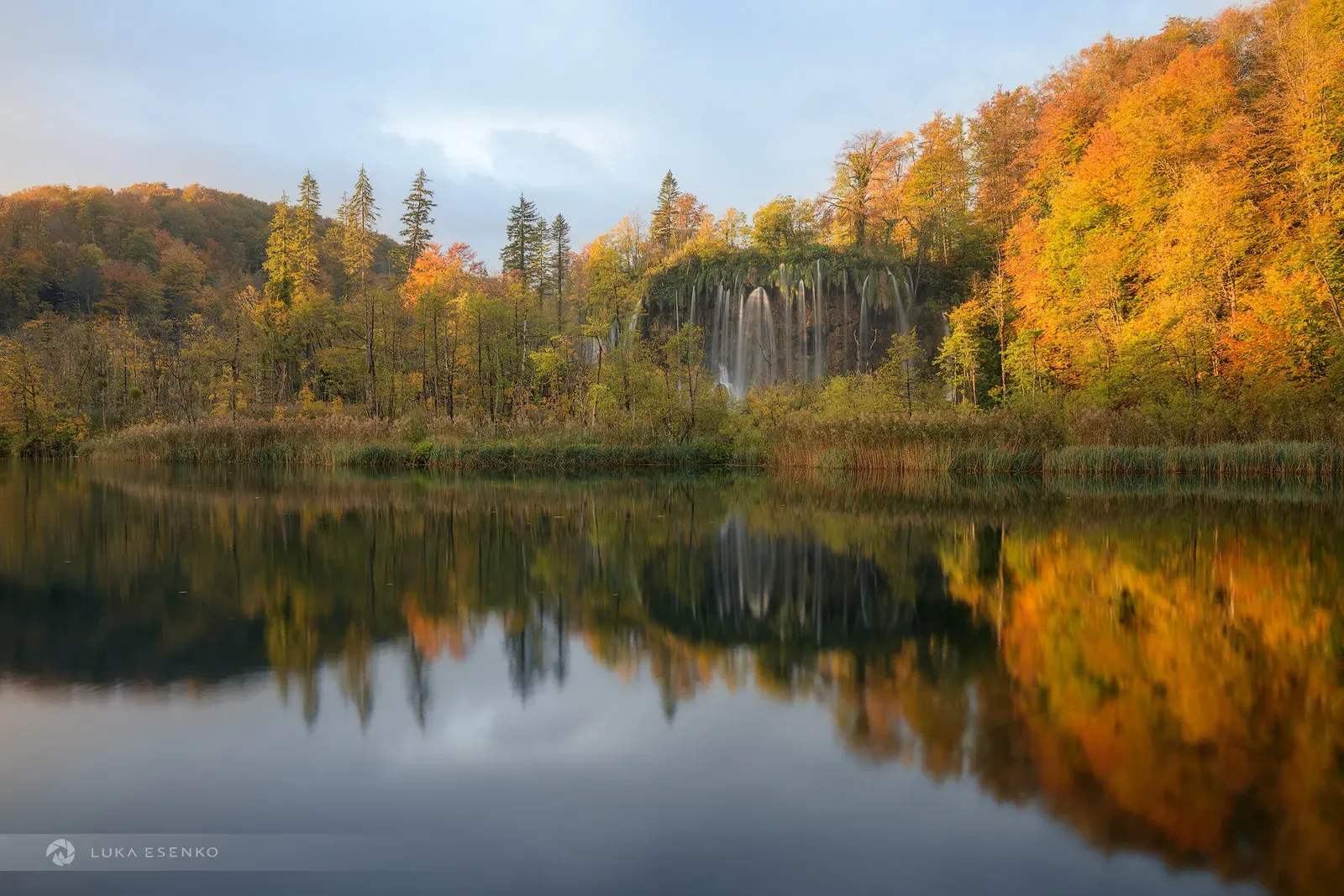
By late October, some trees will have shed their leaves, but the atmospheric quality remains with misty mornings and dramatic cloud formations over the lakes. The trade-off is worth it: crowds thin significantly, and the experience becomes contemplative rather than hectic.
September presents a different character. Water levels run lower than spring, slightly reducing some cascade volumes, but the weather typically delivers mild, pleasant days ideal for extended hiking. The famous clarity of the water remains unaffected.
Practical considerations: costs, crowds, and logistics
Pricing follows a seasonal structure that rewards off-season visits. During summer peak (June through August), expect to pay approximately 40€ for adults and 25€ for students. Family visits can approach 55€. From October through the shoulder season, rates drop to around 23€ per person. Some find the fees substantial, but the infrastructure quality and maintenance standards justify the cost.
Arrive at 9:00 AM when gates open. This matters more than most visitors realize. By mid-morning, tour buses deliver crowds that congest the narrow wooden walkways. Early arrival grants solitary moments at spectacular viewpoints and eliminates the frustration of shuffling through bottlenecks. Purchasing tickets online through the official national park website the day before helps bypass potential queues.
Parking costs 1.50€ to 2€ per hour, which adds up during a full-day visit. The payment is separate from entrance fees.
Drone usage is strictly prohibited throughout the park. This is enforced to protect wildlife and maintain visitor tranquility.
Navigating the waterways: boats and shuttles
The internal transportation system works well. Electric boats cross the larger lakes at regular intervals, included in the entrance fee. During summer, waits can extend to 45 minutes or longer at peak times. Early arrival becomes even more critical. By autumn, waits typically drop to 30 minutes or less.
The shuttle train runs between key stations, allowing visitors to skip sections if fatigue sets in. This flexibility means Route H or C can be shortened by taking the shuttle back to the starting point.
What to bring and where to find facilities
Proper footwear is essential. Running shoes, trail shoes, or light hiking boots handle the wooden walkways and occasional stone stairs. The terrain is not technically difficult, but distances add up and surfaces can become slippery near waterfalls.
Bring water and a picnic. While restaurants exist at both entrances and throughout the park, they offer similar menus at moderate prices. Having snacks lets you pause at scenic viewpoints rather than adhering to structured meal times.
Toilets appear strategically at the entrances, after boat crossings, and before shuttle bus stops, but are absent during the middle hiking sections. Planning bathroom breaks around these waypoints prevents uncomfortable situations.
Trash bins appear regularly along routes, and the park maintains remarkable cleanliness. Visitors respect the environment, which contributes to the experience.
Family and accessibility notes
Families should note that strollers present significant challenges. Numerous stair sections make baby carriers the superior option. The walkways are stroller-accessible in theory, but the vertical changes between lake levels require carrying equipment up stone steps.
For elderly visitors or those with limited mobility, Route H remains manageable in approximately 4.5 hours with regular rests on the benches lining the pathways. The boat and shuttle connections minimize walking requirements, though some stair climbing is unavoidable.
Important comparison: Plitvice vs. Krka
Many itineraries include both Plitvice Lakes Croatia and Krka National Park. For maximum impact, visit Krka first, then Plitvice. While Krka offers its own waterfalls, the scale and sheer number of cascades at Plitvice set a higher bar. Experiencing Plitvice first can make subsequent waterfall visits feel disappointing.
Best time to visit Plitvice Lakes Croatia
The optimal window runs from May through September, when water levels remain high and all facilities operate. However, savvy travelers increasingly target late September and October for the combination of autumn colors, reduced crowds, and lower prices. Winter visits offer frozen waterfalls and snow-dusted pines, while spring brings rushing water from snowmelt and wildflowers.
How to get the most out of your visit
Success at Plitvice requires strategic planning. Prioritize a 9:00 AM arrival at Entrance 1. Choose Route H for the balance of scenery and manageable distance, or Route C for a shorter experience. Pack lunch to enjoy at a scenic overlook. Wear comfortable walking shoes and check weather forecasts. Temperatures drop quickly at this elevation.
Photographers should allocate at least five hours, as every viewpoint demands attention. The golden hours of early morning and late afternoon transform the water colors.
Final thoughts
Plitvice Lakes Croatia is nature at its most generous. The combination of accessibility and raw beauty is rare. Visitors can walk suspended over turquoise pools while waterfalls thunder nearby, then return to shuttles and facilities. This speaks to thoughtful conservation.
This is not a place for rushing. The magic reveals itself in quiet moments: watching fish navigate beneath transparent waters, hearing leaves crunch underfoot during autumn hikes, or standing alone on a walkway as morning mist rises from the lakes. For those seeking Europe's most spectacular waterfall system, Plitvice delivers not just sightseeing, but genuine transformation. The only remaining question is which season will frame your first visit.