Niah Caves Malaysia: Essential Guide to Sarawak's Ancient Wonder
Niah Caves Malaysia offers a raw, self-guided adventure through 40,000-year-old archaeological sites near Miri. Here's what to expect, how to get there, and why this less polished alternative to Mulu might be exactly what you need.
Niah Caves Malaysia: Essential Guide to Sarawak's Ancient Wonder
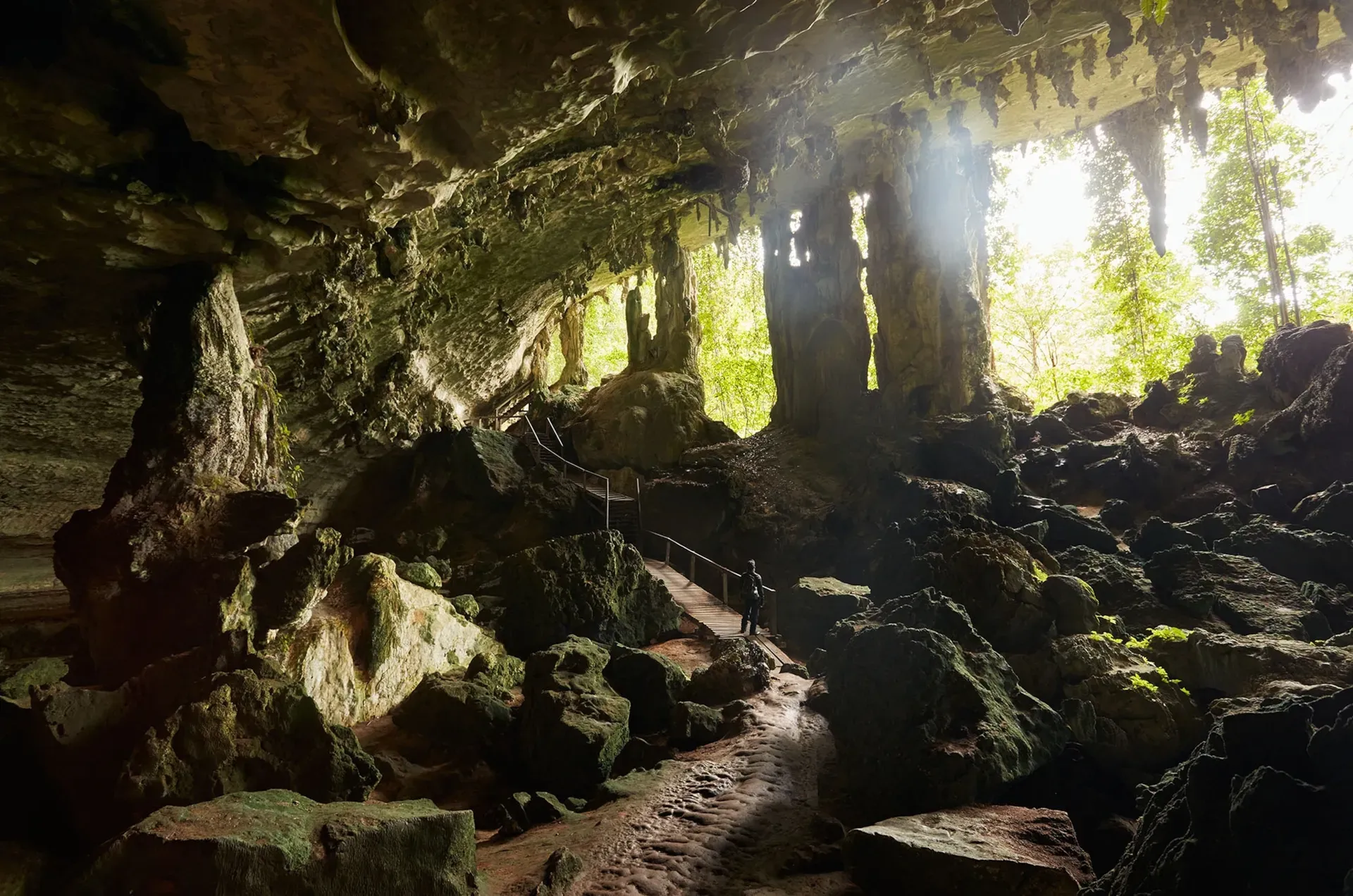
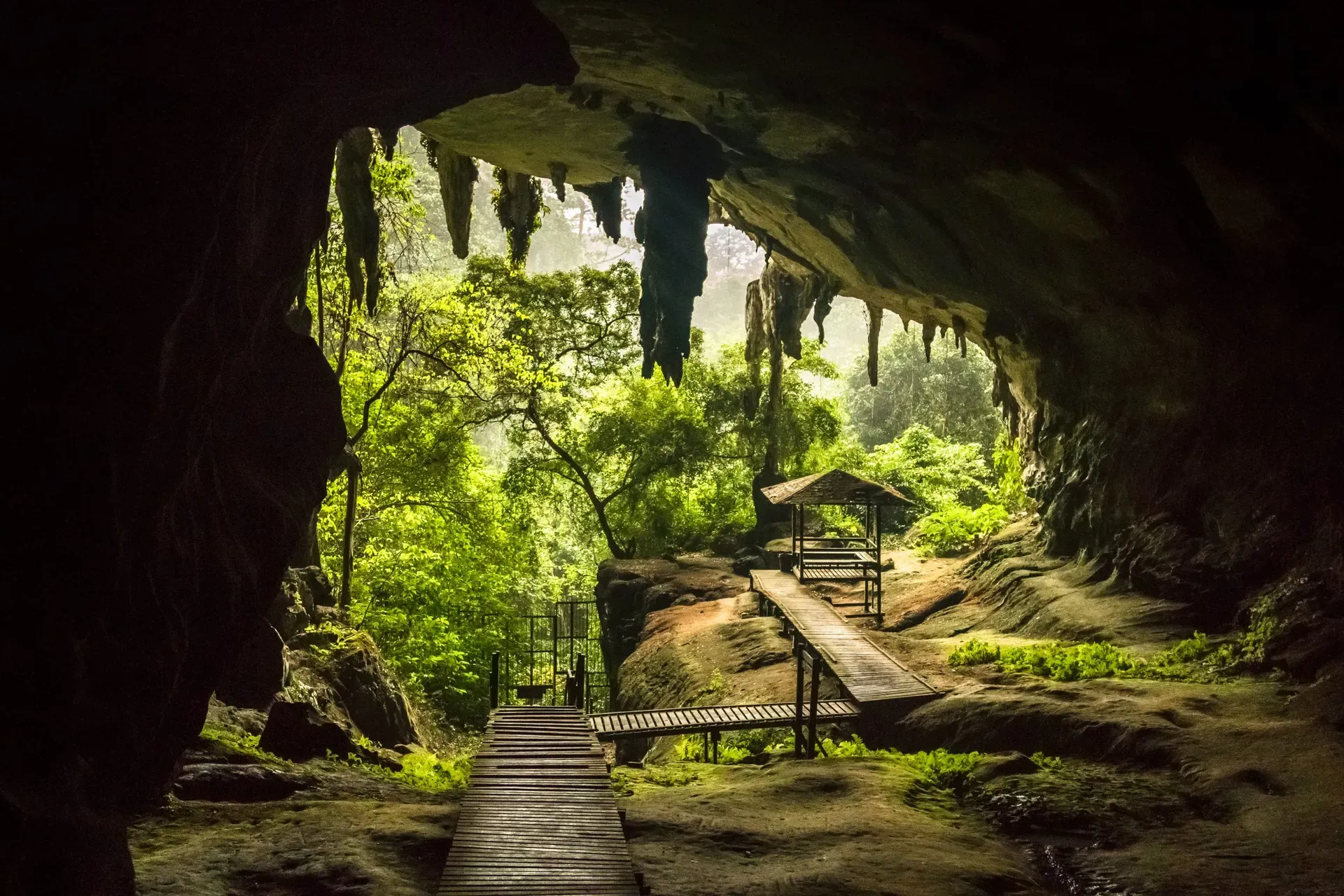
Niah Caves Malaysia holds one of Southeast Asia's most significant archaeological treasures. Forty-thousand-year-old human remains lie hidden within limestone chambers deep in the Sarawak rainforest. While Mulu Caves draws the crowds, Niah offers something quieter: a direct encounter with ancient history, massive cave systems, and the fading tradition of bird's nest harvesting. The site sits near Miri in northern Sarawak, recognized by UNESCO for its historical value. Well-maintained wooden boardw walks wind through tropical jungle to reach the caves.
Why visit Niah Caves Malaysia
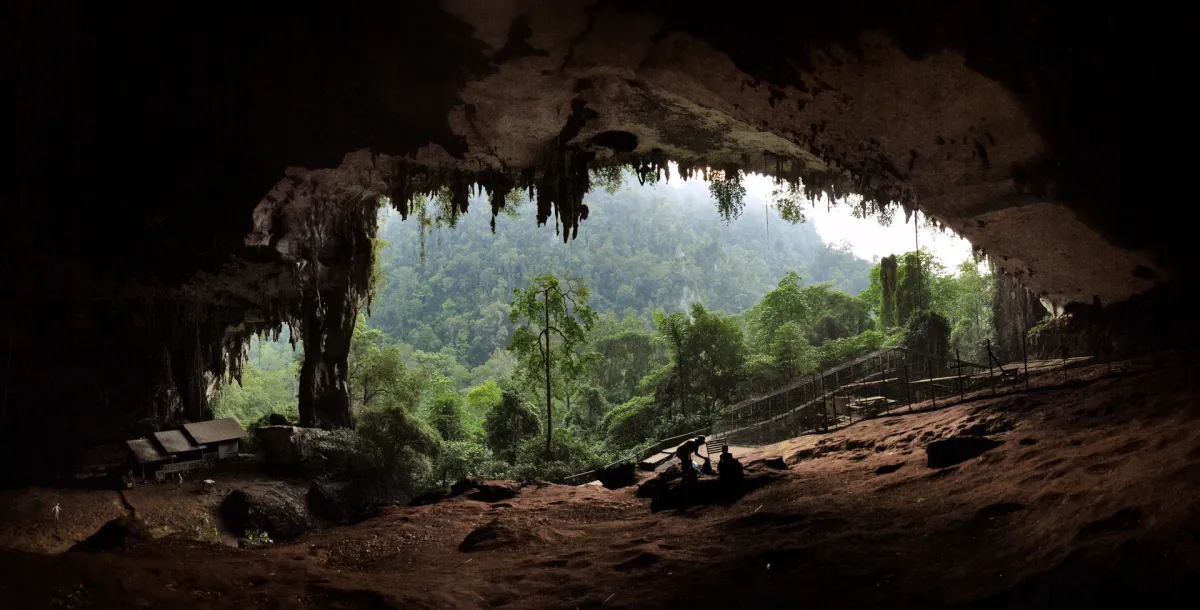
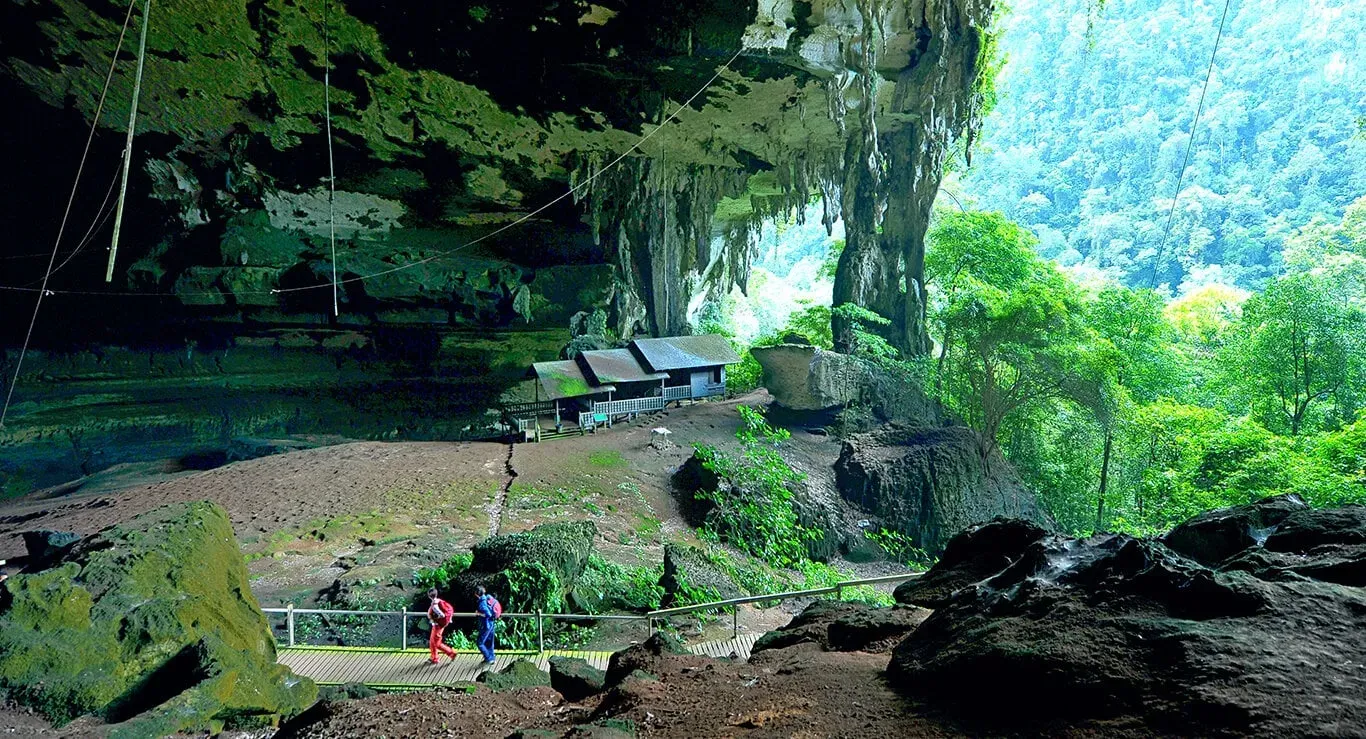
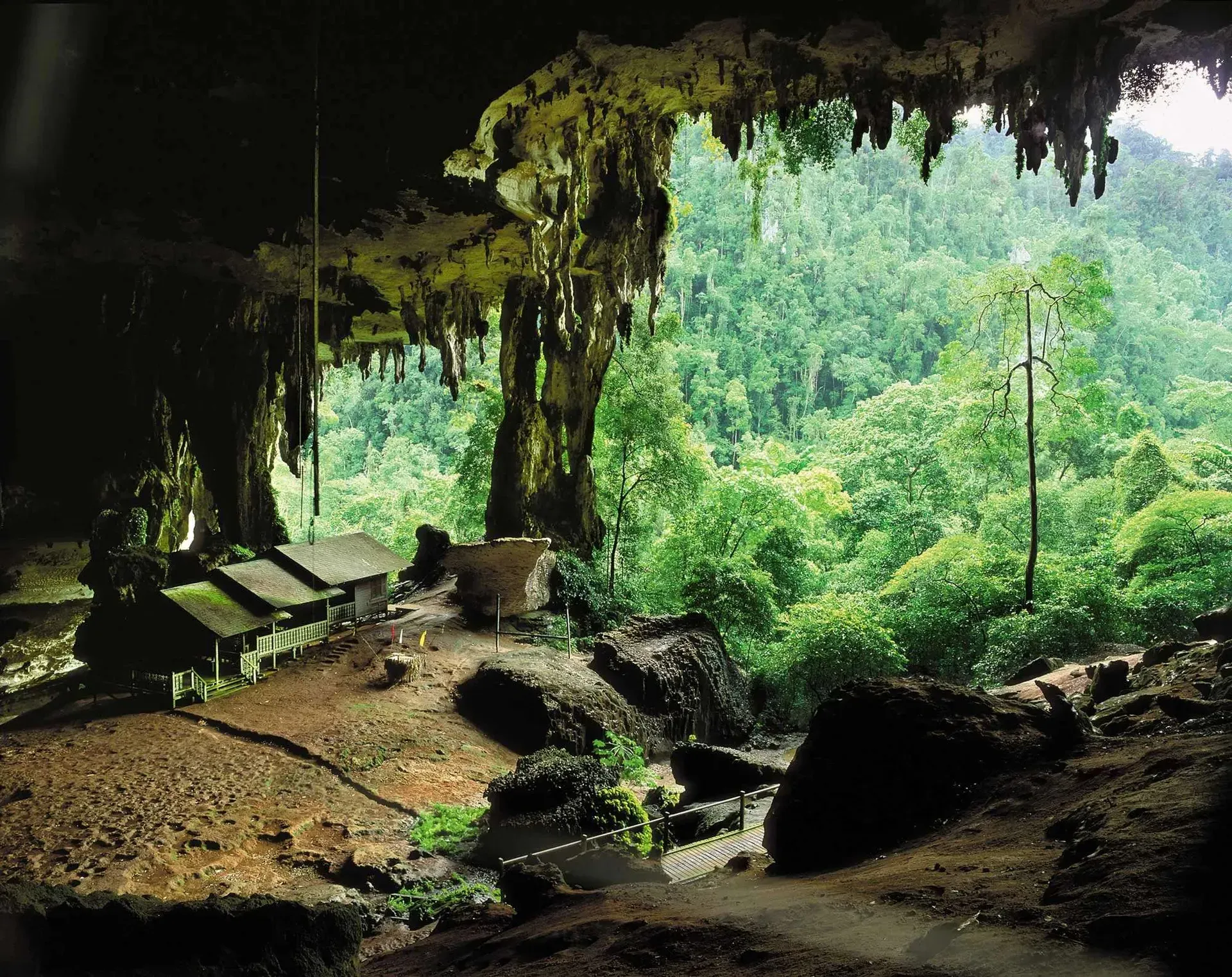
The scale hits you immediately. The Great Cave runs 1.2 kilometers into darkness, its chambers filled with stalactites and stalagmites formed over thousands of years. Unlike more developed cave systems, Niah feels raw and untamed. You walk unguided through caverns where abandoned wooden structures hint at generations of bird's nest collectors who once worked here.
The Painted Cave still carries traces of ancient wall paintings and burial sites, though time has faded them. If you are lucky, you might see collectors climbing bamboo poles to harvest swiftlet nests from the ceilings. This practice continues today, though the caves have grown quieter compared to years past because of over-harvesting.
Niah Caves travel guide: the complete experience
How to get to Niah Caves from Miri
Planning a day trip from Miri requires proper navigation. The drive takes about 1.5 hours on the Pan Borneo Highway. Search for "Niah National Park" rather than "Niah Caves" when using GPS. Plotting the cave location directly leads you onto muddy, unpaved village roads that can damage your vehicle. Instead, take the Niah flyover exit, pass through the town, and head to the museum. The route from Miri is straightforward and avoids the rocky paths that confuse many first-time visitors.
When you arrive, a short boat ride crosses the river. It costs RM1 per person each way. Boat operators sometimes ask for extra payment for crossings after 5pm, so plan your return to avoid unexpected charges.
The journey through the rainforest
The adventure starts with a 3-kilometer trek from the car park. That is about 45 minutes of walking through dense tropical forest on elevated wooden boardwalks. The full path extends roughly 4.2 kilometers from the entrance to reach the main cave systems. For the complete itinerary, expect a 10-kilometer round journey including exploration time.
The first 2 kilometers move quickly over relatively flat terrain, but save your energy for what comes next. The wooden platforms, while safe, can grow covered in algae and become dangerously slippery after rain. Hand gloves help with gripping railings in damp sections, though they are optional.
Exploring the cave systems
Access limitations currently affect the full Niah Caves Malaysia experience. Until approximately 2027, trail access is restricted to Trader's Cave only. Collapsed walkways disconnected the routes to Great Cave and Painted Cave while new trails are under construction. However, as of March 2026, some visitors report limited access to Painted Cave with full reopening expected by May.
Trader's Cave offers an easy 2-hour return walk requiring no torch or specialized equipment. For those accessing the full system when open, the Great Cave presents the main challenge: a 1.2-kilometer passage through pitch-black darkness where you absolutely need a torch. The final 500-meter stretch to Painted Cave involves a short climb. Even children as young as nine manage the complete 6-kilometer round trip comfortably, making this a real family adventure.
What to expect inside Niah Caves
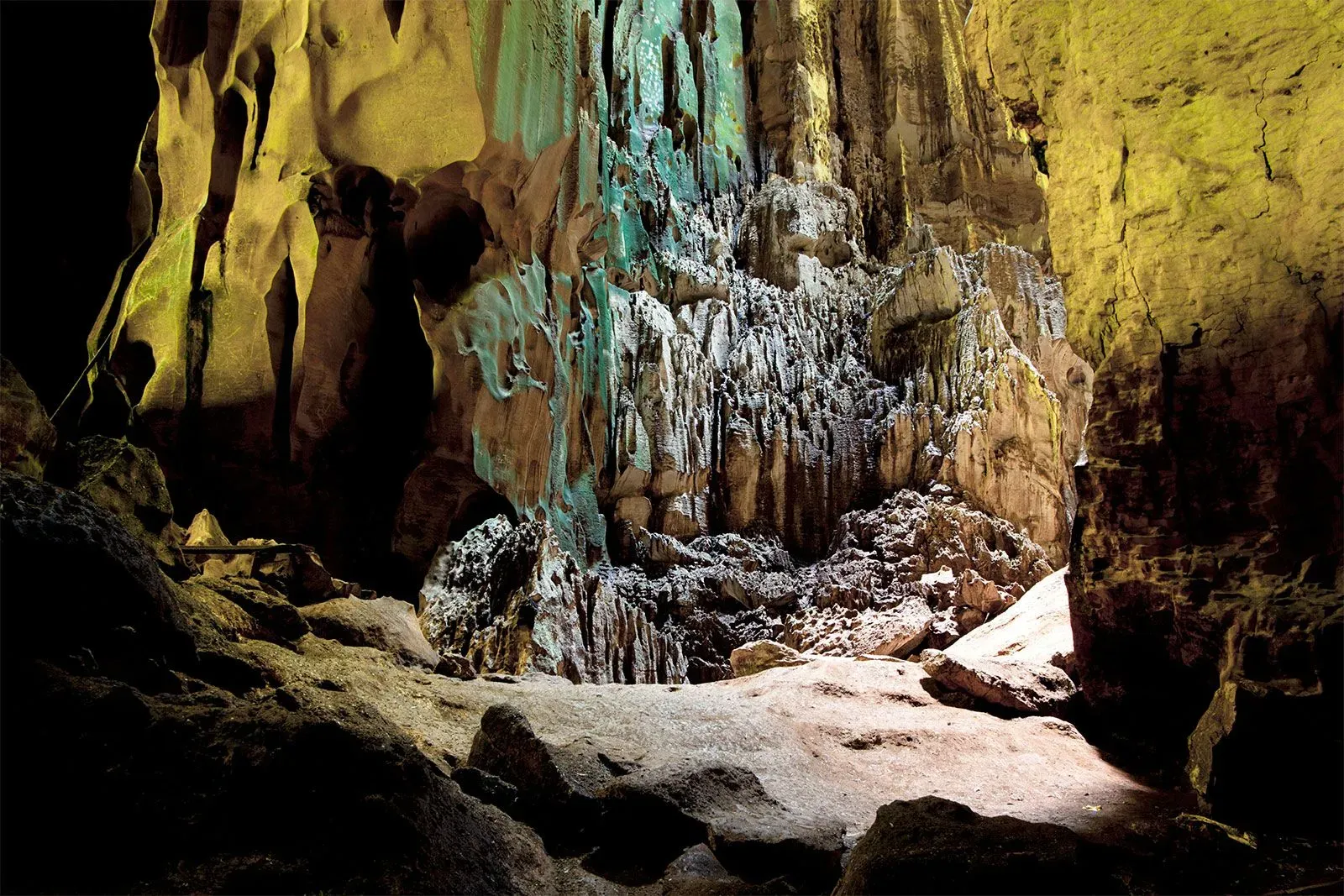
The cave interiors reveal dramatic rock formations and historical remnants. Moon Cave requires torchlight to navigate its dark passages. The Painted Cave, while beautiful, has faded significantly. The ancient paintings have deteriorated over time, leaving only subtle traces of what they once were. Abandoned wooden shacks and collecting structures dot the caverns, offering glimpses into the human history of this place.
The experience is entirely self-guided. No park rangers accompany visitors into the caves, and interpretation boards are missing along the walkways. This lack of infrastructure contributes to the raw, exploratory feel, but it means you should research the site's history beforehand. A small museum near the entrance helps fill in the archaeological context, showing the 40,000-year-old significance of discoveries made here.
Practical tips for your Niah Caves itinerary
Entrance fees: RM10 for Malaysian adults, RM20 for foreigners.
Essential gear: Proper footwear is required. Slippers are prohibited because of slippery conditions. Wear covered shoes with excellent grip, or rent "kampung adidas" (rubber boots) for RM5 at the entrance. Bring a torchlight or headlamp (phone flashlights work in emergencies), plenty of water for the 10-kilometer journey, and a small towel for perspiration. Gloves provide extra grip on wet wooden platforms.
Timing: The complete experience requires approximately 3 hours excluding rest breaks. That is 2 hours for the round-trip walk plus 2 hours exploring the caves. Those with average fitness find the moderate pace manageable, though the trail is not suitable for individuals with knee problems or unfit pensioners.
Facilities: No proper public washrooms exist at the car park, though a shop at the trail junction sells snacks, cold drinks, and provides toilet access. Phone signal disappears entirely along the trail and approach roads, returning only at the nearby village.
Weather considerations: Trails become wet and treacherous during rainy season. Proper footwear with grip becomes even more critical. The walk remains worthwhile regardless, but exercise caution on algae-covered platforms.
Best time to visit Niah Caves Malaysia
The optimal window falls between March and September during the dry season, when trails stay less slippery and river crossings remain manageable. However, current visitors should note ongoing maintenance work affecting cave access. Visiting during the Puasa (fasting) period means fewer tourists and a more peaceful forest experience, though cave availability remains restricted regardless of season.
Is Niah Caves worth visiting?
I will be honest: Niah Caves Malaysia is not for everyone. The current limitations on cave access disappoint some visitors who travel expecting the full experience. If you only have time for one cave system in Sarawak, Mulu offers more reliable access and dramatic formations.
But here is what Niah gives you that Mulu cannot: solitude. The rainforest boardwalks wind through jungle where you might not see another person for an hour. Trader's Cave, even in its limited state, carries the weight of 40,000 years of human history. There is something powerful about standing in chambers where people lived and died millennia before recorded history began.
The bird's nest collectors still working here represent a tradition that may not survive another generation. Over-harvesting has thinned the swiftlet populations. The wooden poles lashed together with rattan, the climbers ascending into darkness with simple headlamps, the whole dangerous enterprise feels like watching a living museum exhibit that is slowly closing.
So yes, visit Niah Caves Malaysia if you want a wilder, less polished adventure than the commercial caves offer. Come for the workout, the history, and the chance to see something authentic before it changes or disappears. Just check current access conditions before you go, and adjust your expectations accordingly.