Machu Picchu, Peru: Tickets, Timing & What Actually Matters
How to actually get into Machu Picchu, Peru — tickets, timing, and the moment that makes the whole thing worth it.
Why Machu Picchu keeps pulling people in
Machu Picchu, Peru sits at nearly 2,500 meters in the Andes and people have been showing up awestruck for over a century. U.S. News named it one of the world's best places to visit for 2026, which is almost funny — as if anyone needed the reminder. The anticipation starts months out: the ticket scramble, the winding trip up through the Sacred Valley, that last climb before everything opens up in front of you.
What makes it different from everything else
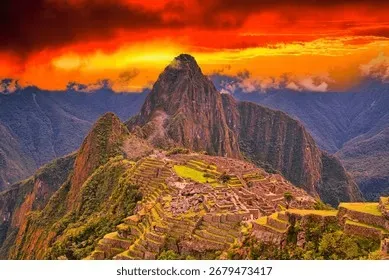
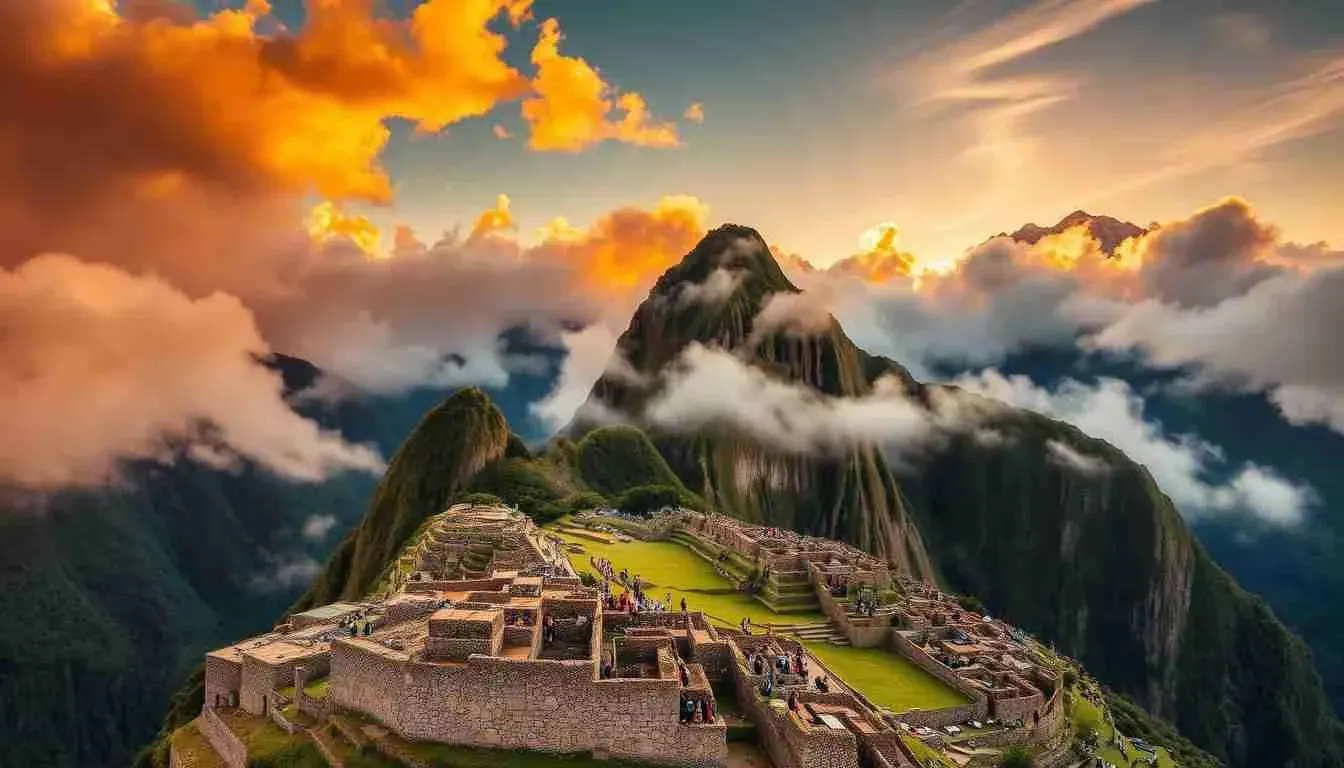
The postcards don't really capture what Machu Picchu is. It's an Inca citadel built from stone cut so precisely you can't slide a knife between the blocks — no mortar, no iron tools, no wheels. Terraces, temples, and plazas drop down a mountain ridge in a way that looks almost casual, surrounded by cloud forest and mist that rolls in and out all day. The whole thing sits on a tectonic fault line in earthquake country and has stayed standing for more than 500 years. I don't know how to make sense of that.
What gets under your skin is how the stonework and the mountains feel like one thing. The terraces follow the natural contours. Temples line up with the solstices. Every place you stand gives you a different composition of ruins, clouds, and green. It's old but doesn't feel dead. I walked away understanding why people call it a Wonder of the World — it's not marketing.
What it's actually like to visit
The moment you see it
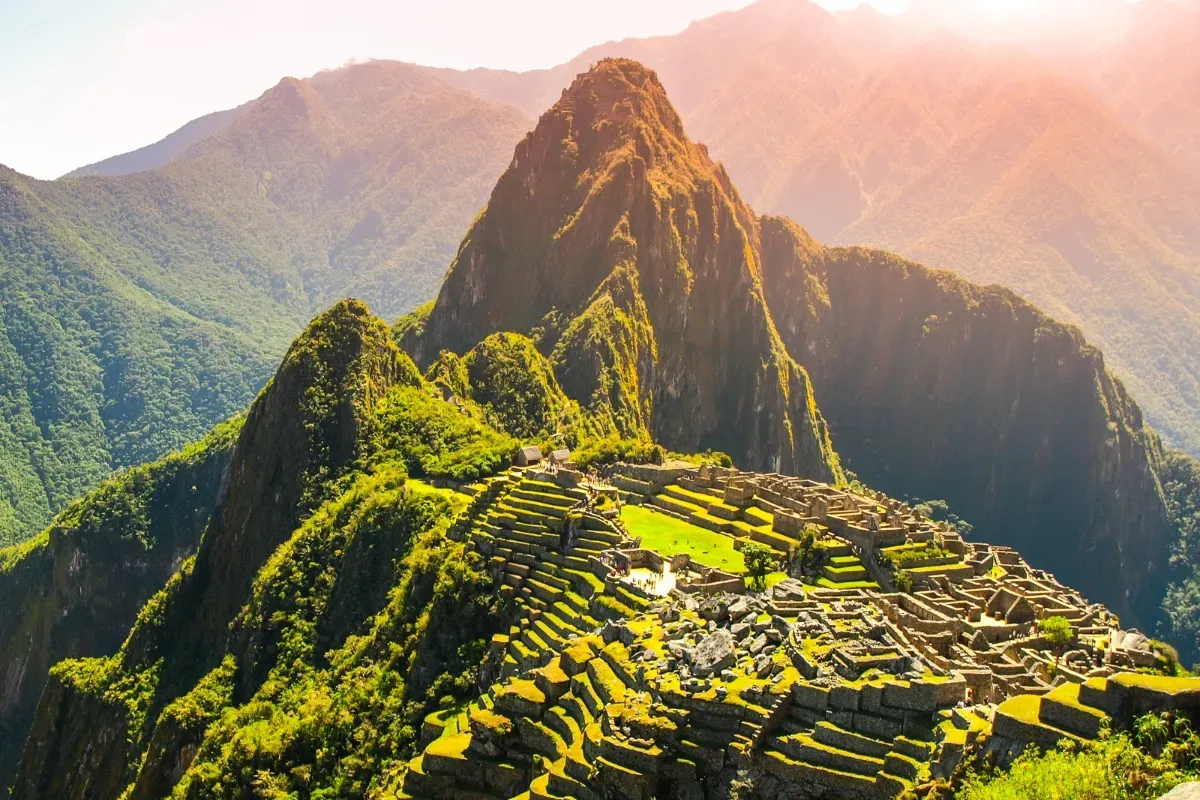
Photos don't help. I'd seen hundreds of them and none of it mattered once I was actually there. The morning mist thinned out and the whole thing just appeared — terraces, temples, Huayna Picchu looming behind. I stopped walking without meaning to. That moment alone made the flights and buses and early alarms feel cheap.
For a place this famous, it doesn't feel packed. The circuit system spreads people across different routes and it works. Mist curls around stone walls. Sunlight hits the masonry at odd angles. Between camera clicks there's a quiet that settles over everything. It's corny to say the place has energy, but I don't have a better word for it.
Going past the obvious stuff
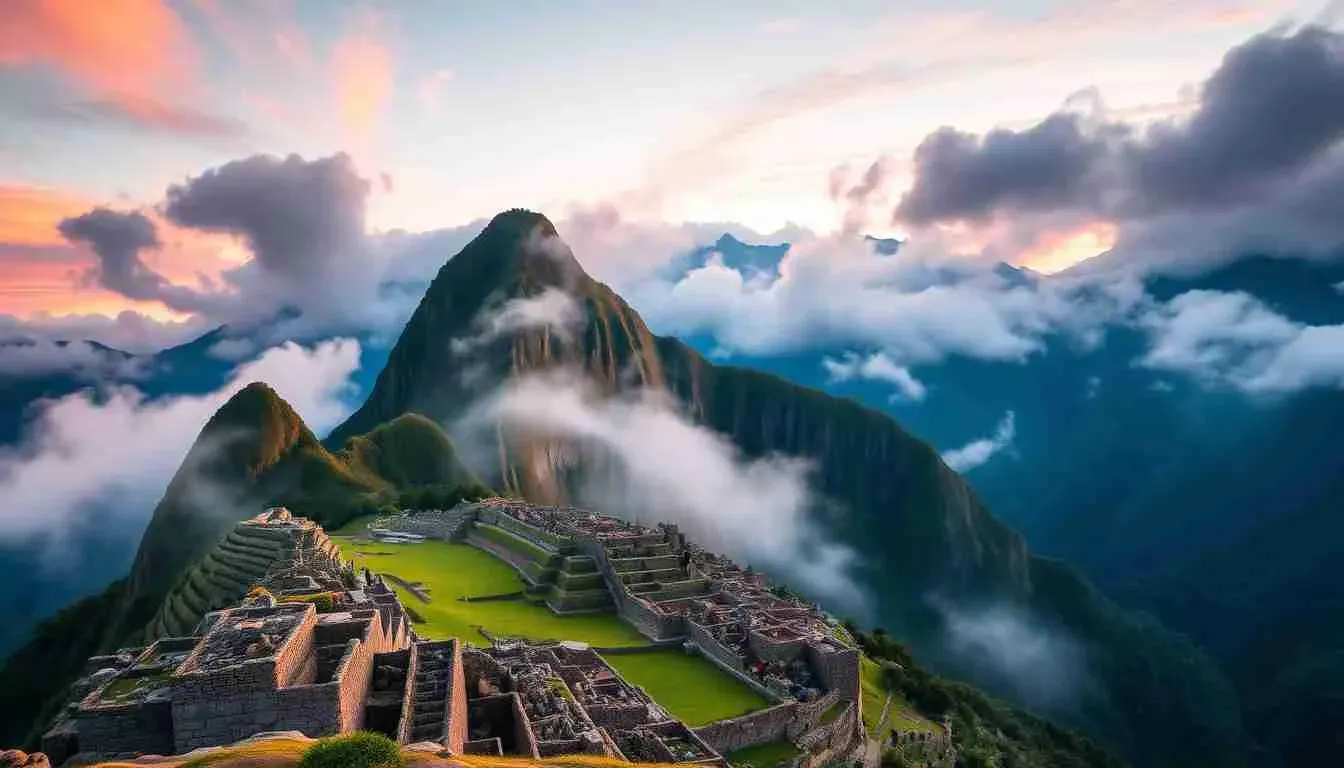
Most people fixate on the panoramic shot. Fair enough — it's the one you've seen everywhere. But circuit two shows you a different citadel. Quieter corners, details in the stonework, the way the whole place was laid out as a functioning city. Do both circuits if you can. The first one gives you the postcard. The second one gives you the thing itself.
If you can swing it, the 4 to 5 day Salkantay trek is the way to arrive. You cross high altitude passes, walk past glacial lakes, push through cloud forest — and then after days of that, Machu Picchu appears. The bus and train are fine but they don't build the same thing. Walking there changes how the ruins hit you. You earned the view, and that actually matters.
Huayna Picchu is the sharp toothed mountain in the background of every photo. The climb is rough — steep Inca steps, narrow ledges, drops that made my stomach lurch. From the top the citadel shrinks to a tiny stone thing in a giant green bowl, and you finally get how audacious the whole project was. Tickets for Huayna Picchu sell out faster than general entry. Book months ahead or forget about it.
What you actually need to know
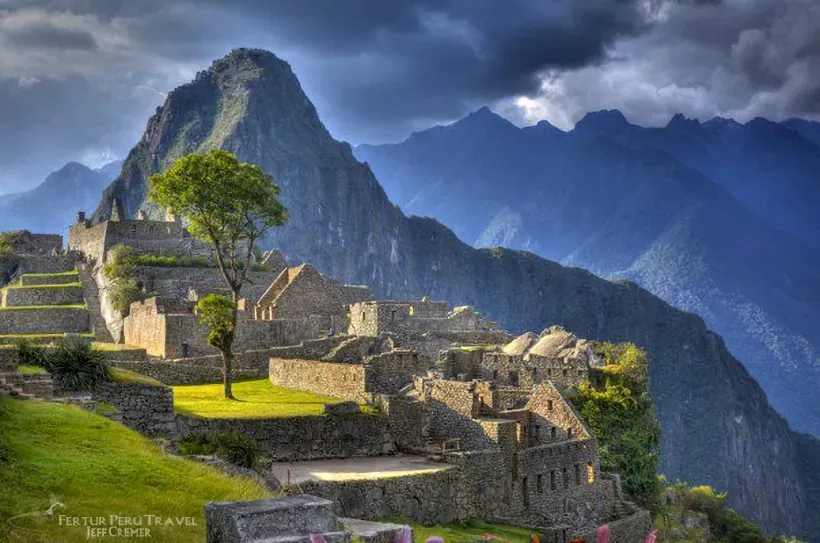
Book tickets at least four months ahead. I'm not softening this. People show up without tickets and spend hours in a queue with no guarantee of getting in. Don't be those people. You also need a guide — it's mandatory — and a good one makes a real difference. The stones don't speak for themselves. A guide who knows Inca astronomy and agricultural practices turns the place from a photo op into something you understand.
Get there at 6:00 AM when the gates open. You'll have the place mostly to yourself for a while, and the morning mist makes everything look better. By mid morning the crowds pile in and the magic thins out. The weather does whatever it wants — clear one minute, socked in the next, sun breaking through at random. Whether you see the full ring of mountains around the citadel is partly luck. Be okay with that.
Yes, the logistics are annoying. Ticket stress, early alarms, the odd queue. But once you're inside, the circuits keep people moving in a way that works. Wait a few minutes and you can find a viewpoint with nobody in it. Don't rush. If you blast through both circuits in two hours, you missed the point. Wander slowly. Sit down occasionally. Let the place do its thing.
Bringing kids or dealing with mobility issues
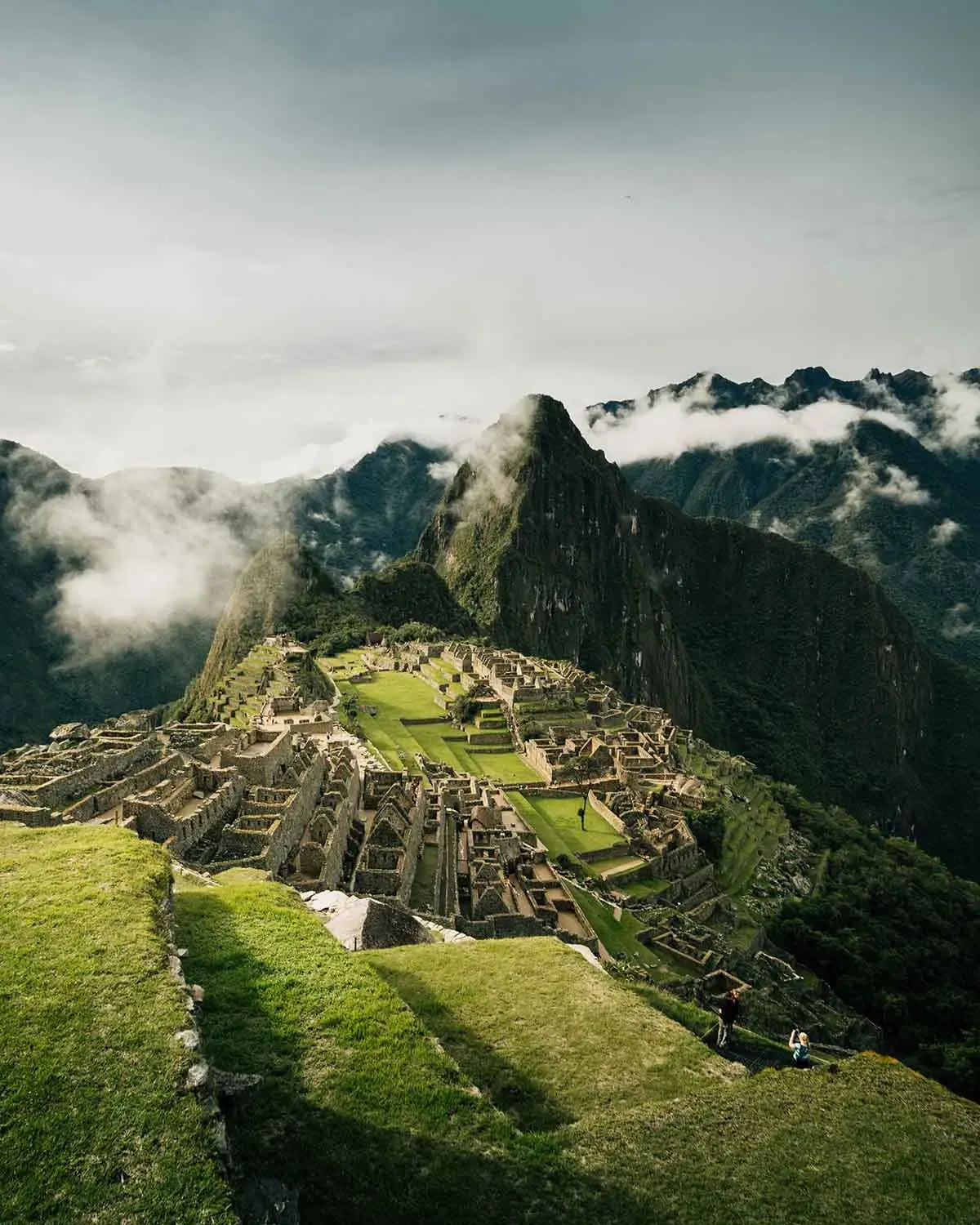
The circuits involve a lot of walking on uneven stone steps and narrow paths. The altitude — around 2,430 meters — makes everything harder. Young kids and anyone with mobility issues will struggle. The Salkantay trek and Huayna Picchu climb are genuinely hard, not for inexperienced hikers or anyone worried about their fitness. The main circuits are doable if you're in decent shape and take it slow. There are no shortcuts. Machu Picchu was never supposed to be easy to reach, and it still isn't.
When to go
May through September gives you the best odds of clear skies and comfortable walking weather. It's also the busiest stretch, so early morning entry and advance tickets become non-negotiable. April and October are decent compromises — fewer people, weather that's usually fine but rainier. Mornings are clearer regardless of month. The Andean mist shows up whenever it wants and honestly, it usually makes things better, not worse.
How to do it right
Book four months out. Longer if you want Huayna Picchu. Show up at 6:00 AM. Get a guide who knows their stuff. Do both circuits — the second one shows you things the first one hides. The Salkantay trek is worth the extra days if you can manage it. Climb Huayna Picchu if you're fit and lucky enough to get a ticket. And put the damn camera down sometimes. Stand there. Look at it. Some things are better without a screen between you and them.
Is it worth it
Machu Picchu earns its reputation. It's not overhyped. The logistics are a pain but they don't diminish the place. Standing among stones laid 500 years ago, surrounded by mountains that don't look real — it sticks with you. The site is well maintained, the whole experience from ticket to viewpoint feels carefully thought through. If you care about history, or mountains, or just the fact that humans can build things this extraordinary, Machu Picchu, Peru isn't just worth the trip. It is the trip.