Iguazu Falls Argentina: Complete Guide to Both Sides
Iguazu Falls Argentina puts you closer to the water than you ever thought possible. Learn why you need to visit both sides, how to beat the crowds, and what those poncho containers are really about.
Iguazu Falls Argentina puts you right in the water
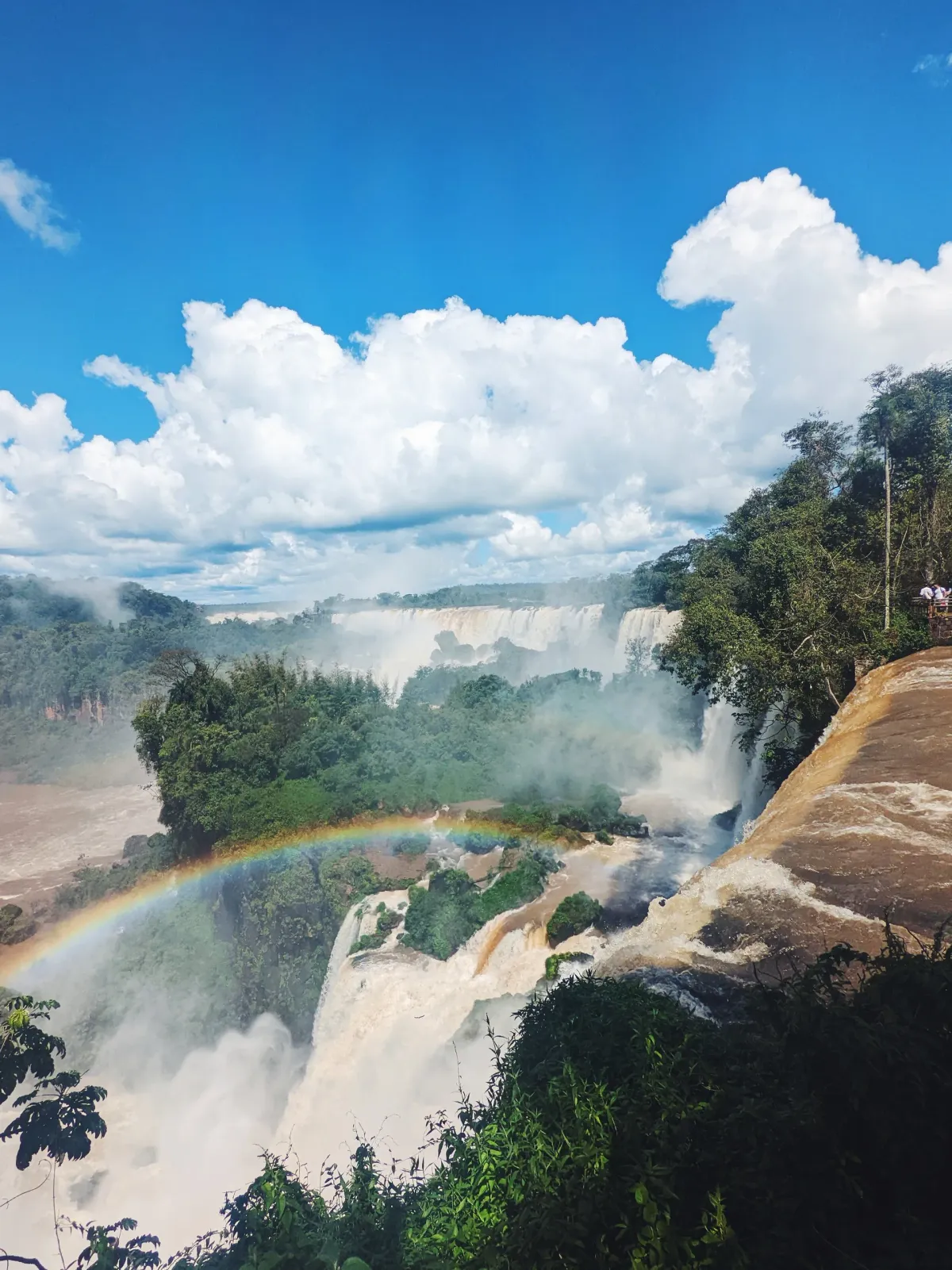
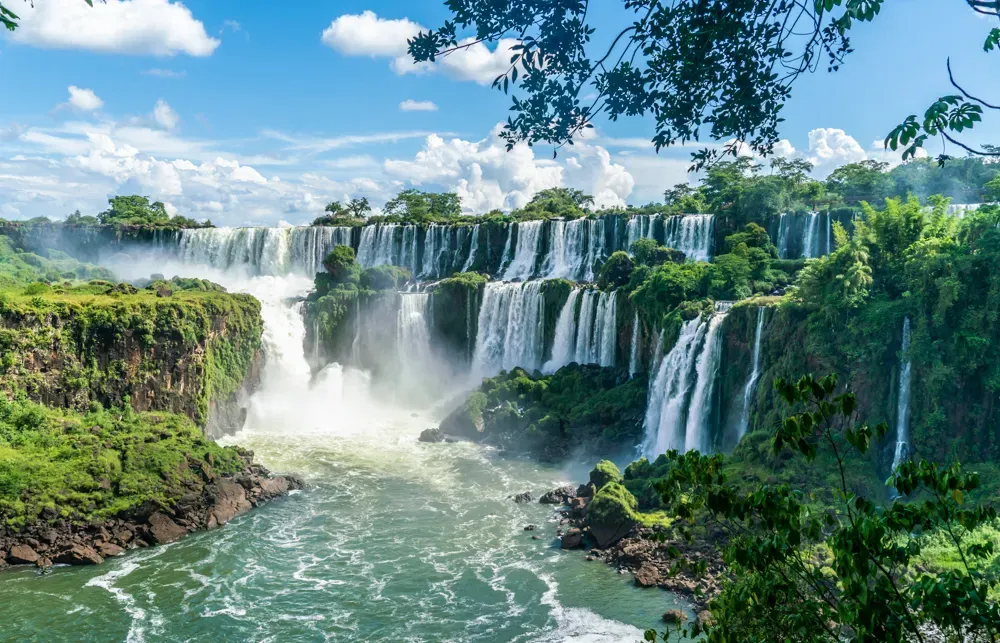
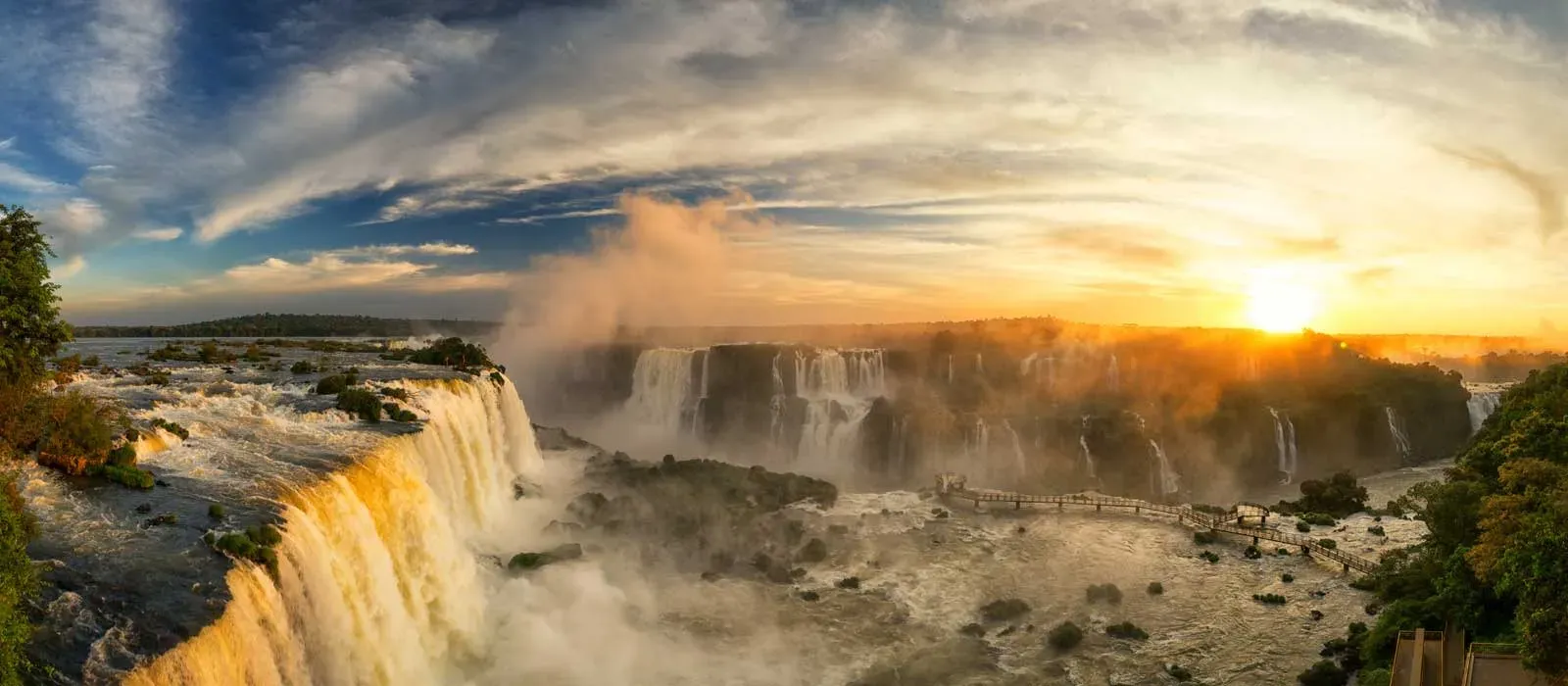
Iguazu Falls Argentina is one of those places that ruins other waterfalls for you. Nearly two miles of cascading water across 275 individual drops thunder into the subtropical rainforest below. I recently visited after it was named one of the world's best places to visit for 2026 by U.S. News Travel, and honestly, the photos do not do it justice. You have 14,000 cubic meters of water per second creating a constant roar that you feel in your chest. Mist catches the light and throws rainbows everywhere.
Why visiting both sides matters
Here is the thing that surprised me: the falls sit on the border with Brazil, and each country offers a completely different experience. Iguazu Falls on the Argentine side draws you into intimate proximity with the cascades. The Brazilian side reveals the full grandeur of the panorama. Both sides have metal walkways and boardwalks that make this surprisingly accessible for visitors with strollers or limited mobility, which is not something you expect from a destination this wild.
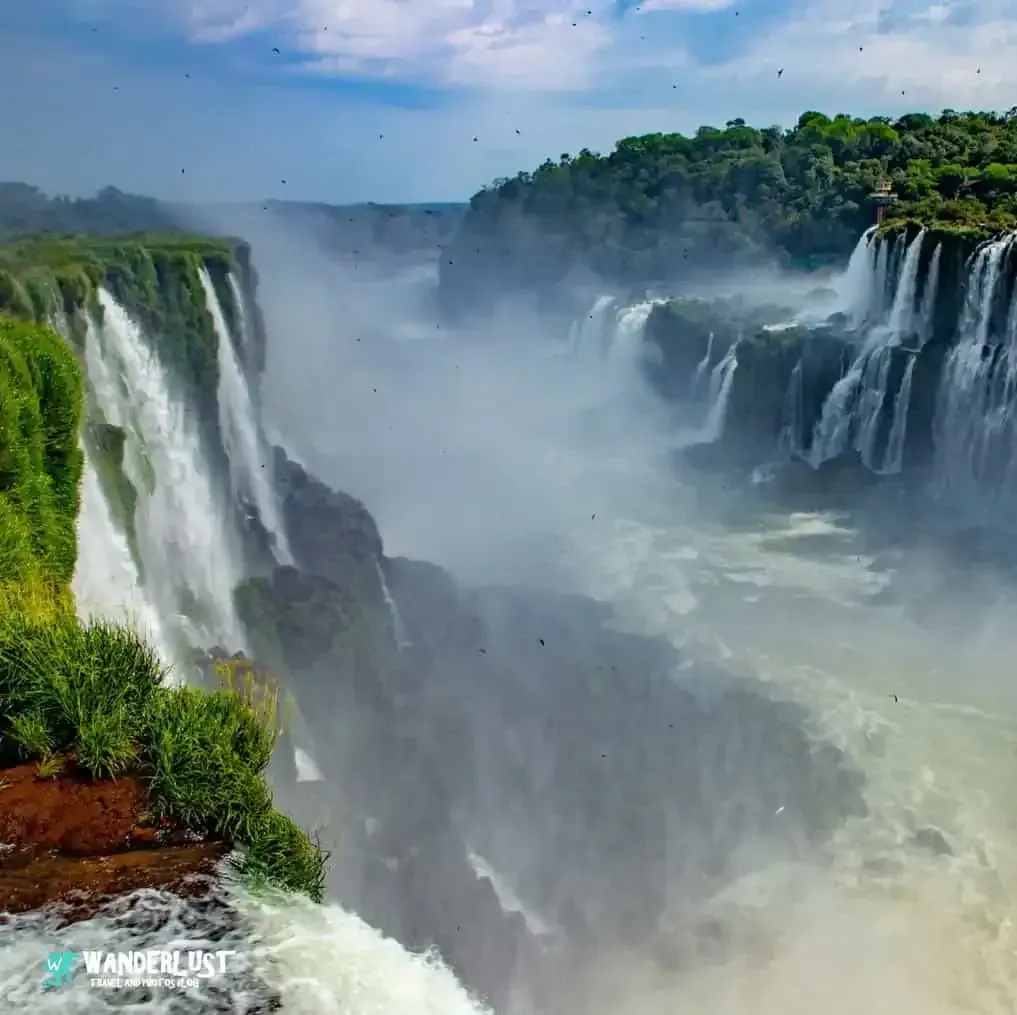
The forest around the falls is alive. Monkeys swing through the canopy, toucans dart between branches, and coatis patrol the walkways looking for snacks. Devil's Throat is the most powerful section, where water plunges 80 meters into an abyss of mist and thunder. Standing there, you get a visceral sense of nature's raw force that I am still processing weeks later.
The experience: what to expect
Getting there and entry logistics
Reaching Iguazu Falls in Argentina is refreshingly straightforward. Public buses run regularly to the park entrance from Puerto Iguazu. The Brazilian side is equally accessible via the same cheap bus that serves the local airport, though be prepared for a 30-40 minute wait in the return queue at day's end.
Ticket purchasing has been streamlined with multilingual touchscreen kiosks at the entrance that display pricing and options clearly. A one-day pass costs approximately $40, while a two-day pass runs about $61. If you plan to experience both sides without rushing, the two-day pass is worth it. Parking costs around $11 per day, with free overflow parking available outside the main entrance that requires a short walk of less than one kilometer.
The Argentine side: walking into the water
The Argentine side rewards those who want immersion. This is where you feel the falls in a way that is hard to describe. The experience centers on two main circuits, upper and lower, connected by a scenic train to the Devil's Throat walkway.
Devil's Throat defines the visit. A metal walkway extends over the river to small balconies suspended directly above the most concentrated drop. The noise becomes physical, a thunderous vibration in your chest. The spray rises in great clouds, creating brilliant rainbows and soaking unprepared visitors. Bring a poncho or embrace getting soaked.
The lower trail delivers the most dramatic close-up views, allowing you to stand mere meters from the cascading water. If time forces a choice between circuits, visitors consistently favor the lower trail for its immersive perspective. The upper trail offers broader overviews and excellent panoramic photo opportunities.
The Brazilian side: panorama and perspective
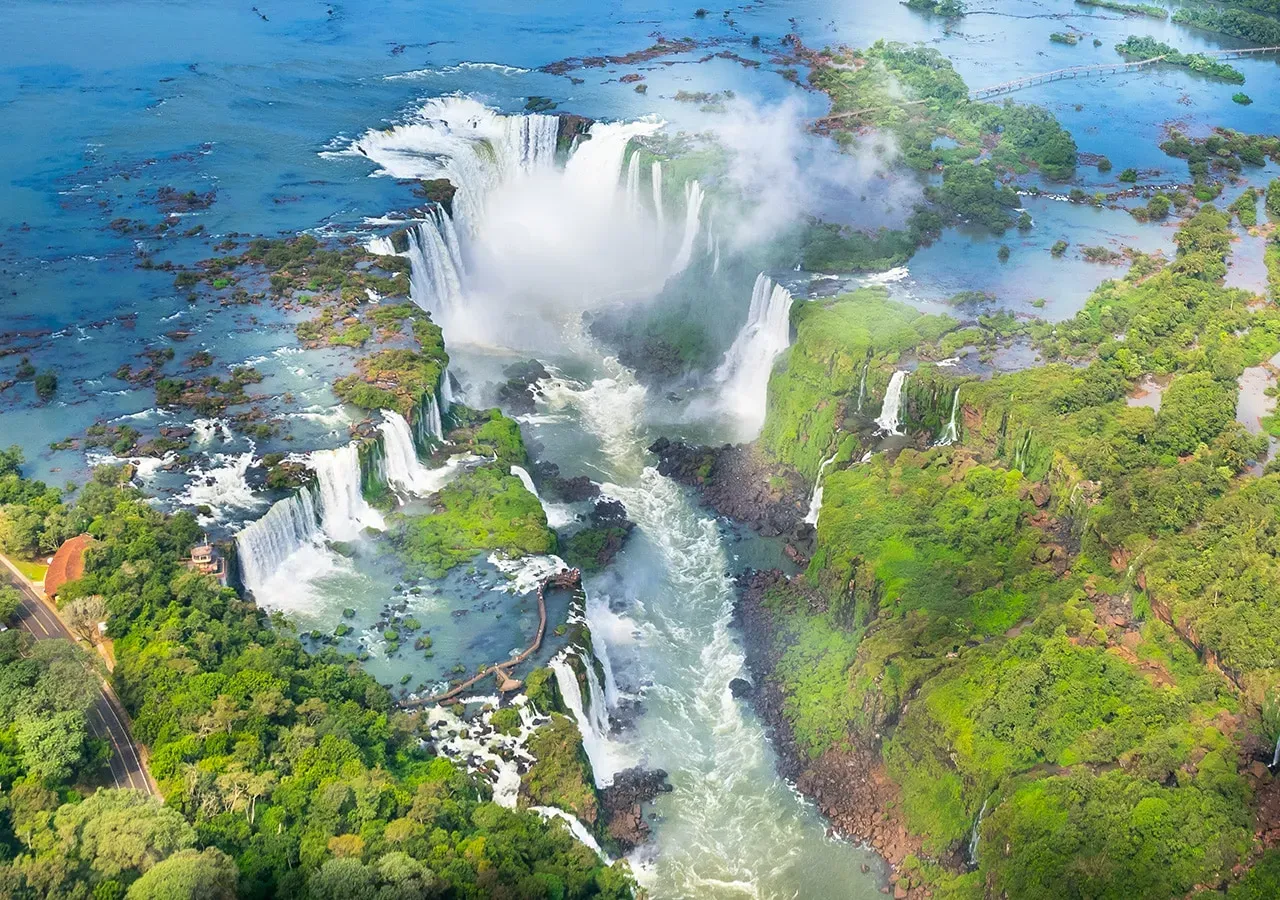
The Brazilian side complements the Argentine experience rather than duplicating it. Where Argentina offers intimacy, Brazil delivers scale. Wide panoramic vistas reveal the full scope of all 275 cascades, providing the iconic viewpoint that helps visitors understand the true immensity of the system.
The trail on the Brazilian side is shorter but no less spectacular, eventually bringing visitors to a tower near the main drop where the spray is most intense. Budget tip: skip purchasing expensive ponchos from the gift shop. Instead, walk past the main drop to a large container filled with gently-used ponchos left by previous visitors. They work perfectly for a ten-minute drenching.
On the Brazilian side, chocolate-brown water during spring season signals recent rainfall, a reminder that the falls operate on nature's schedule, not ours.
The boat rides: into the maelstrom
The boat excursions are the experience's adrenaline peak. Several operators run tours from both sides that take passengers directly into the spray zone beneath the falls. The Argentine side boat tours offer particularly dramatic encounters for those able to navigate stairs.
Booking ahead online guarantees your slot, though same-day booking at the park remains possible if spaces remain. For aerial photography and an adrenaline rush, helicopter tours provide unique perspectives, though at premium prices.
Wildlife and the rainforest
The metal walkways do more than provide access. They double as elevated wildlife corridors. Keep cameras ready for the photogenic coatis that patrol the entrance areas. Monkeys chatter from the canopy, and with exceptional luck, a jaguar might grace the forest edge. Toucans provide flashes of color against the green backdrop.
Special experiences
The sunset visit offers a premium alternative to standard entry. Though priced higher, this late-afternoon option features significantly reduced crowds and concludes with complimentary wine, grappa, and refreshments served near the elevator viewpoint. For those balking at the price of the on-site hotel, this sunset package provides a more affordable path to a less crowded, golden-hour experience.
Practical tips for your visit
Timing is everything. Arrive right at the 8:00 AM opening to board the first train to Devil's Throat before crowds accumulate. Most visitors arrive with tour buses later in the morning. Early birds enjoy the walkways with breathing room.
Bring your own provisions. The on-site cafeteria caters to tourists with inflated prices and mediocre quality. Pack snacks and water, though vendors are available throughout both parks if needed.
Guard your belongings. The park provides lockers near the entrance for storing luggage, valuable for those arriving directly from travel or checking out of accommodations.
Prepare for precipitation. Even on perfectly sunny days, the falls generate their own weather system. Waterproof phone cases, quick-dry clothing, and secure footwear are essential. On the Brazilian side especially, you will get drenched. Embrace it.
Footwear matters. Though the walkways are safe and well-maintained, surfaces become slippery. Shoes with grip provide confidence on the metal grating.
Reconsider free entry days. The Brazilian side offers one free entry day annually. This draws massive crowds that overwhelm infrastructure and diminish the experience. Paid days offer better flow.
Private guides add value. For those short on time or seeking deeper context, personal guides streamline logistics, explain the hydrology and ecosystem, and navigate crowds efficiently. The investment pays dividends in saved time and enriched understanding.
The two-day strategy works best. Completing both sides in a single day is physically possible but exhausting. Ideally, dedicate separate days to each side, starting with the Argentine side's longer trails. If forced to choose, prioritize Argentina for its immersive walkways, but recognize that the full majesty only reveals itself from Brazil.
Best time to visit Iguazu Falls Argentina
Spring (March to May) and fall (September to November) deliver the optimal combination of mild weather and manageable crowds. These shoulder seasons avoid the peak summer crush while maintaining sufficient water flow.
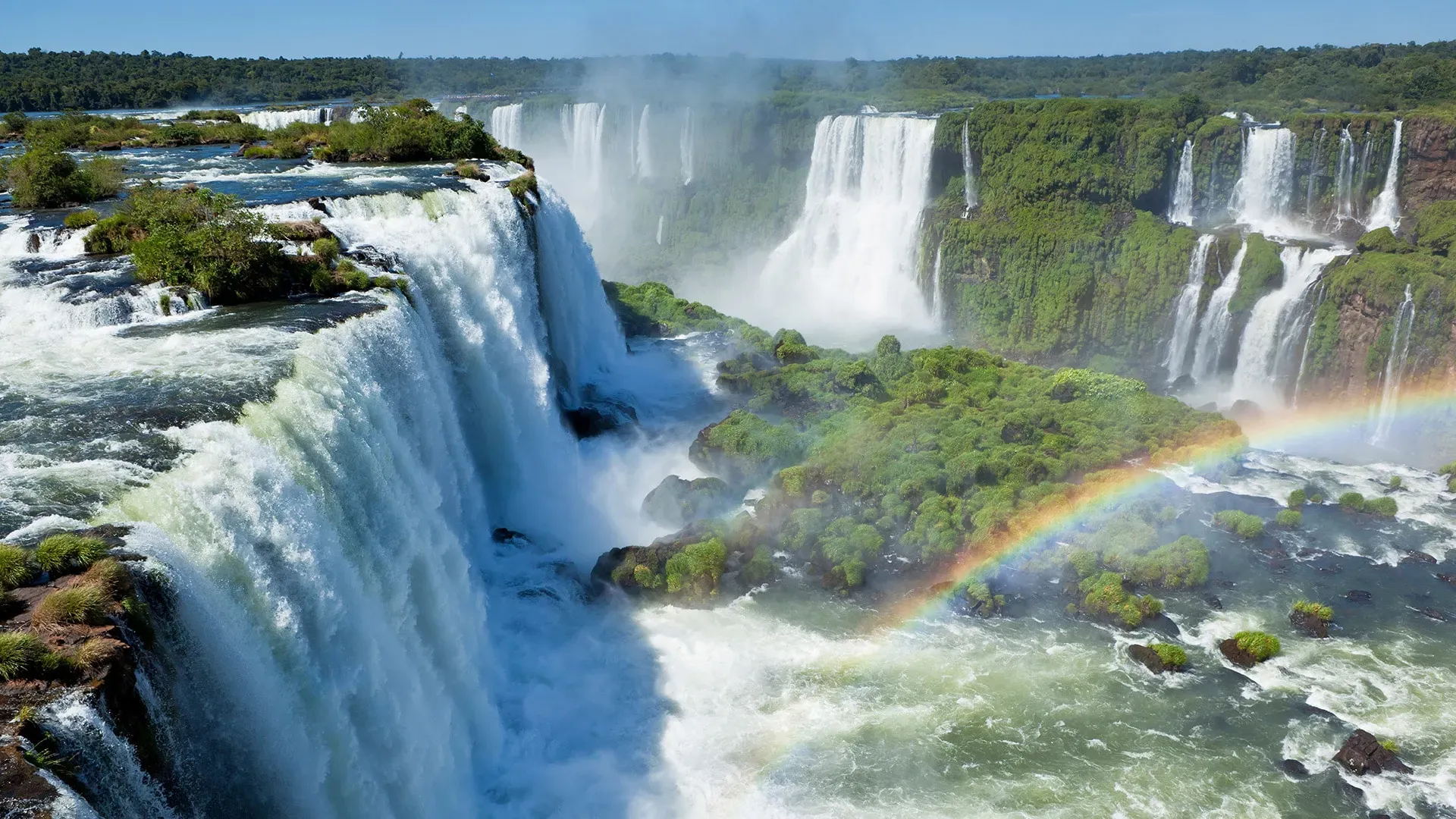
Sunny days maximize rainbow sightings. On a bright morning, you might encounter dozens of rainbows arching through the mist. However, even gray and rainy days fail to diminish the falls' impact. Low clouds and diffuse light create moody, atmospheric conditions that many photographers prefer.
Spring visitors should expect sediment-rich "chocolate milk" water following seasonal rains. While less postcard-perfect than clear water, this raw natural condition reminds visitors that Iguazu remains a living, dynamic ecosystem.
Is Iguazu Falls Argentina worth it?
Iguazu Falls Argentina delivers a rarity in modern travel: a destination that exceeds its reputation. Despite the crowds, despite the bus queues, despite the spray-soaked clothing, visitors describe the experience as transcendent. The infrastructure handles volume remarkably well, safety workers maintain order along walkways, and the natural spectacle remains untamed.
Standing at the Devil's Throat railing, closing your eyes against the mist, feeling the thunder in your chest, you understand why this place commands attention. Some locations earn accolades through marketing. Iguazu earns them through sheer natural power. Visit once, and the memory resonates for a lifetime.