Grand Teton National Park Wyoming: Complete 2026 Guide
Grand Teton National Park Wyoming offers jagged peaks, turquoise lakes, and world-class wildlife viewing. This guide covers the best hikes, when to visit, and how to avoid the crowds at America's most dramatic mountain park.
An alpine wonderland rising from the valley floor
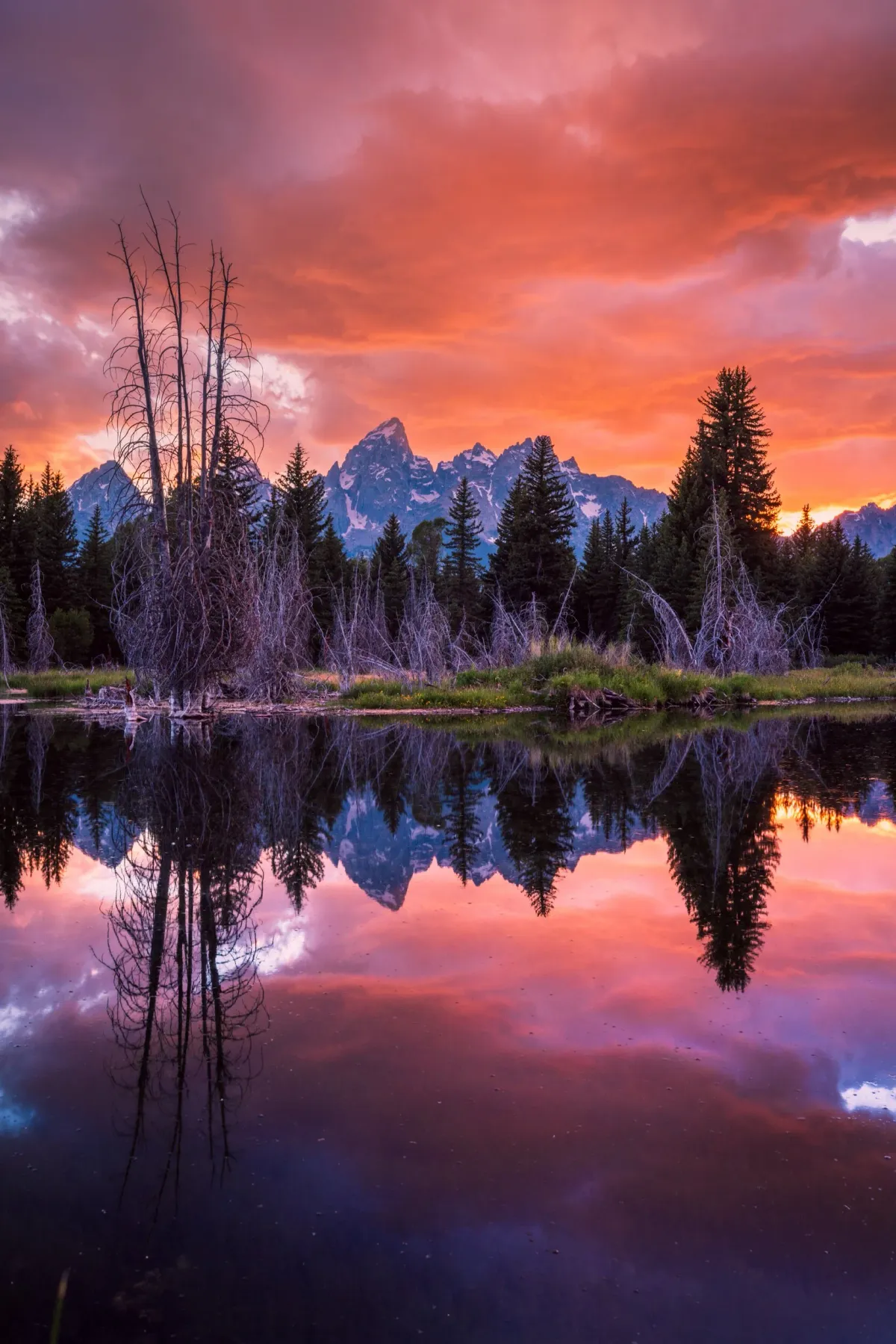
Grand Teton National Park Wyoming delivers something few places on Earth can match. Jagged, snow-capped peaks rocket straight from the Jackson Hole valley with almost no foothills to soften the drama. This 40-mile mountain range creates a backdrop so striking it feels surreal. Visitor after visitor describes the experience as "not of this earth," and that sense of awe never quite fades.
Yellowstone often steals the spotlight in this corner of Wyoming, but those in the know understand that Grand Teton National Park deserves equal billing on any American road trip. Whether you come for world-class hiking, legendary wildlife photography, or simply to witness the golden hour reflect off the Cathedral Group, the Tetons deliver an experience that belongs on every nature lover's list.
What makes Grand Teton National Park Wyoming so extraordinary
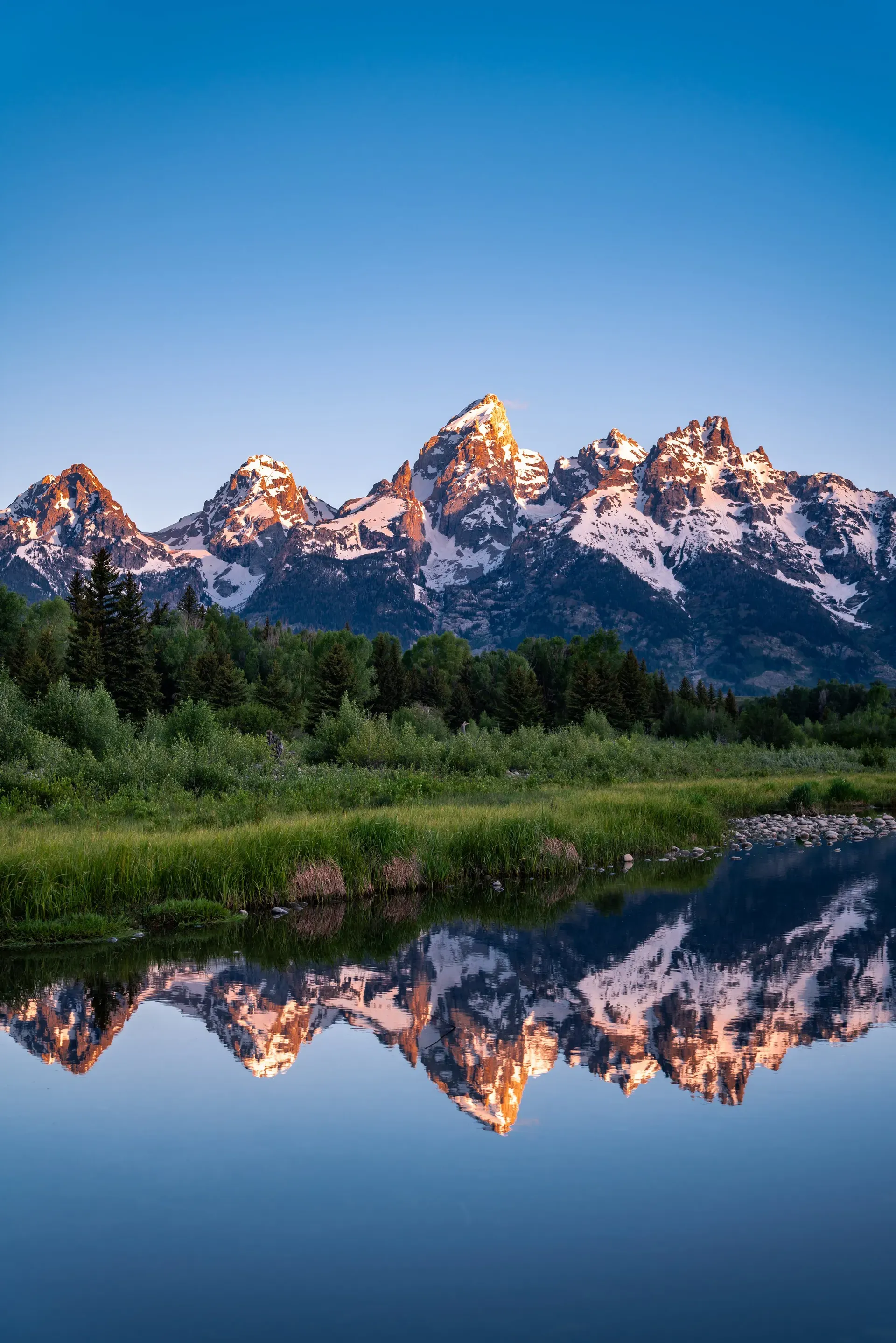
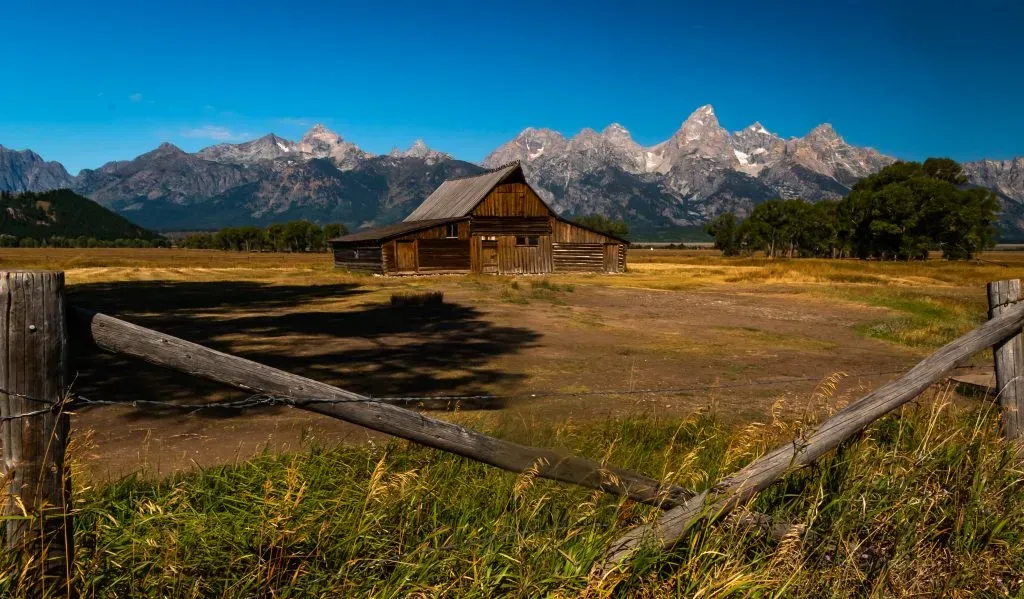
The magic of the Tetons lies in their immediacy. Unlike mountain ranges that gradually build through rolling foothills, these peaks explode from the valley floor in sheer vertical glory. You're never more than a glance away from photographic gold: from the historic Moulton Barn on Mormon Row to the mirrored waters of Schwabacher Landing at dawn.
Wildlife thrives across this high-altitude ecosystem. Moose browse willow thickets along the Snake River, elk herds move through sagebrush flats, bison graze in open meadows, and black bears roam the forested slopes of Moose-Wilson Road. The park's accessibility sets it apart too. Even those with limited mobility can experience the grandeur through scenic drives and boat tours, while serious adventurers can tackle technical summit climbs like Middle Teton.
Things to do in Grand Teton National Park Wyoming
Iconic hikes that reward every step
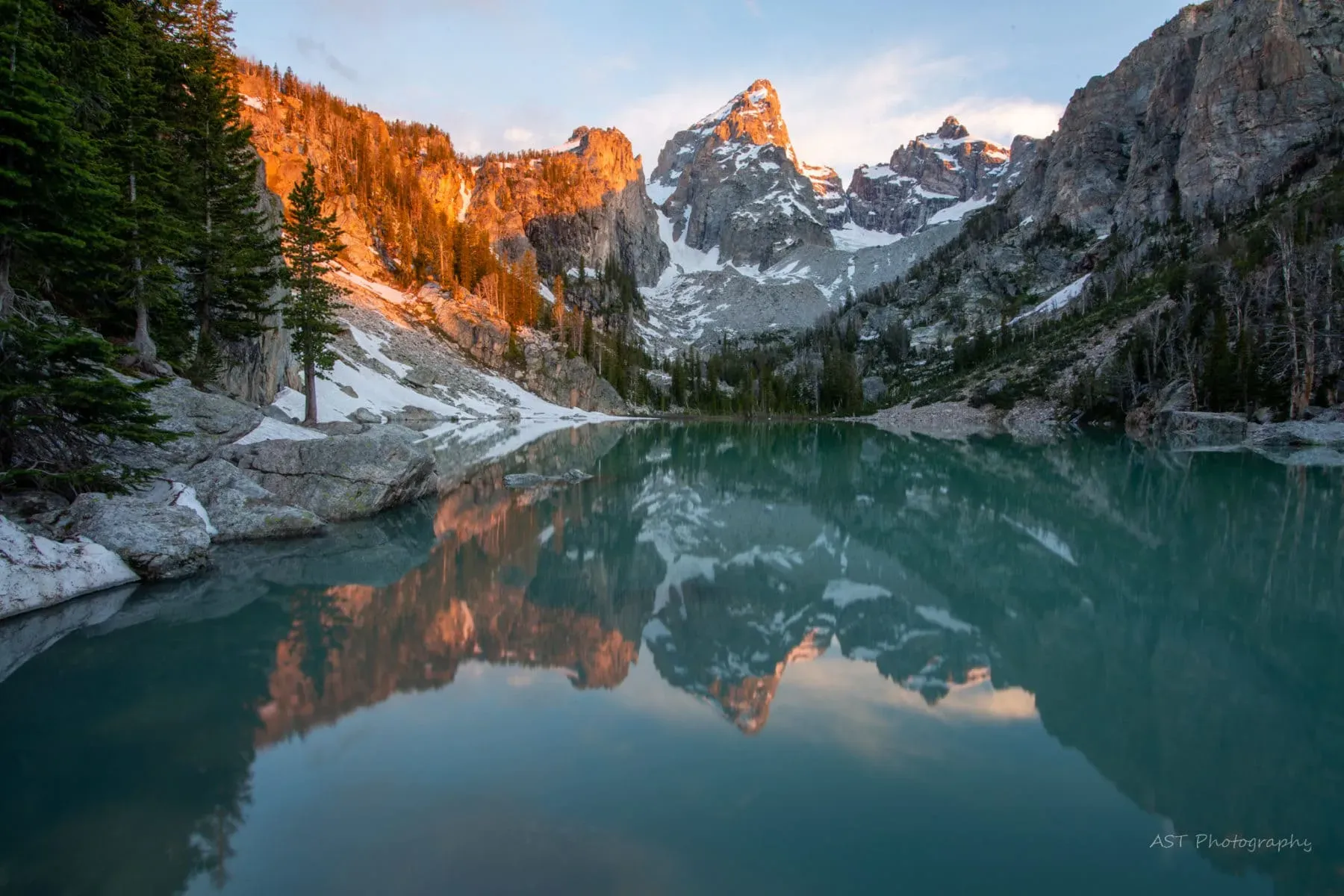
The park's trail system offers options for every fitness level, though some routes demand respect. Delta Lake is the crown jewel for dedicated hikers, a challenging trek requiring nearly seven hours including the approach and summit scramble. The final ascent involves serious boulder climbing on steep terrain, but the payoff is unmatched: a turquoise alpine pool cradled directly beneath the main Teton summit, close enough to touch the mountain's reflection.
For those seeking spectacular scenery without the technical challenge, Cascade Canyon delivers. Starting from String Lake, the trail leads past Hidden Falls to Inspiration Point, then continues deeper into the canyon where moose sightings are common. Smart hikers return via the horse trail on the descent for varied scenery. Taggart Lake offers an easier option, particularly beautiful in autumn when the aspen grove on the north end erupts in golden color.
Jenny Lake: the heart of the park
No visit feels complete without experiencing Jenny Lake. The boat shuttle saves miles of walking and deposits hikers at the base of the Cascade Canyon trail system. The lake itself creates mirror-perfect reflections so pristine that photographers return again and again. The hike to Inspiration Point from the boat dock is a highlight: moderate in difficulty but maximum in reward.
The practical reality: Jenny Lake parking fills incredibly fast. Arriving early isn't just suggested. It's essential for securing a spot without a long walk from overflow areas. By midday, crowds transform even quiet trails, making that dawn alarm clock the difference between a solitary wilderness experience and a busy sidewalk atmosphere.
Scenic drives and photography hotspots
Sometimes the best views require no walking at all. The drive between Jackson and Moran along the park's eastern edge provides continuous dramatic vistas that compete with any hiking trail. Mormon Row, with its historic Moulton Barn framed against the Teton skyline, has become one of the most photographed spots in the American West. Schwabacher Landing offers another iconic perspective: calm waters reflecting the entire range in perfect symmetry.
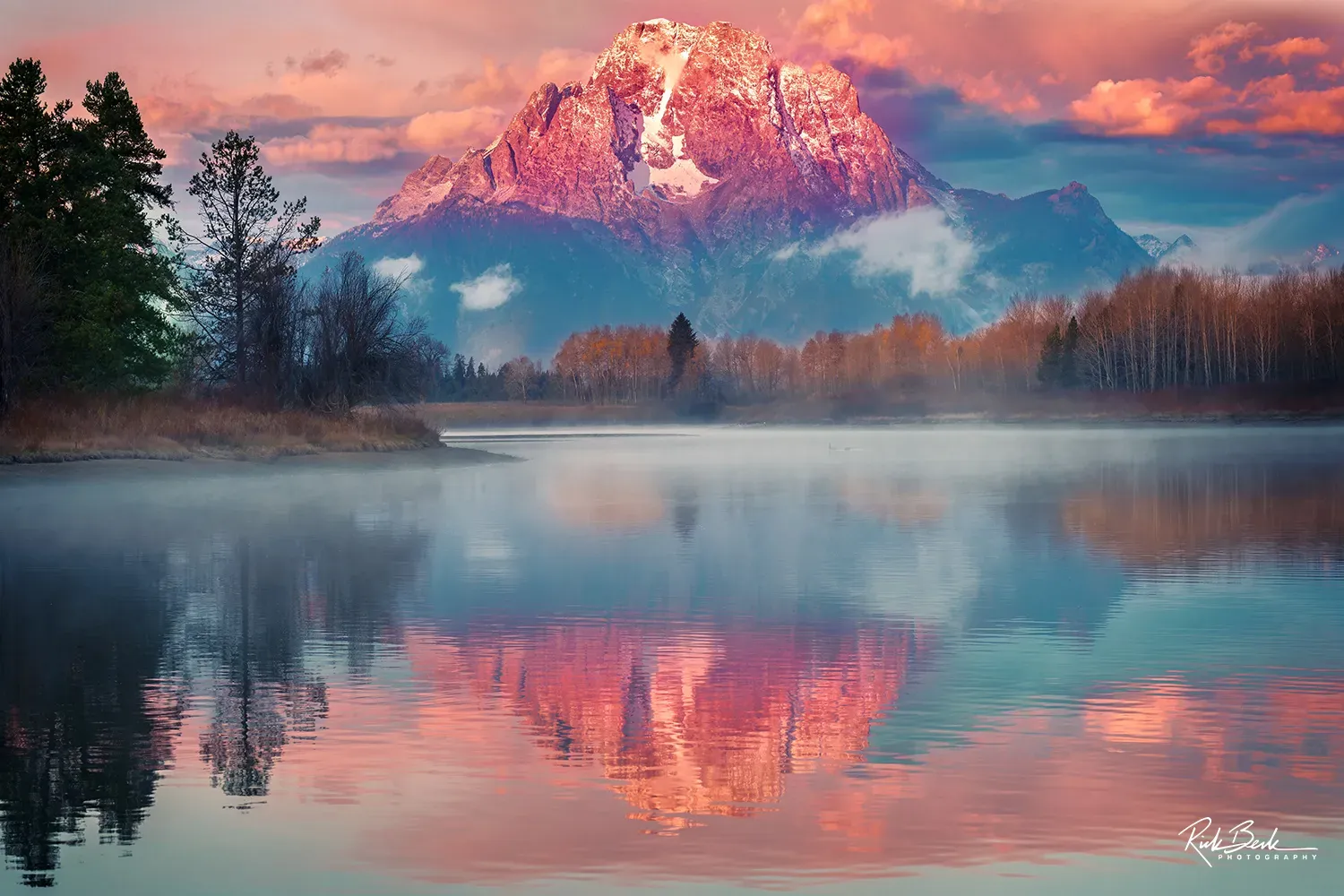
Oxbow Bend delivers both sunrise magic and wildlife drama. Mount Moran rises directly across the Snake River, its reflection broken only by wandering ducks and grazing animals at the water's edge. Early morning and evening drives along Moose-Wilson Road maximize chances of spotting black bears, moose, and elk in their natural habitat.
Wildlife encounters: where and when
The Tetons host remarkable animal diversity. Moose appear reliably near water sources: along the Snake River, near willow thickets, and surprisingly often along hiking trails. Bison herds graze the valley floor meadows. Beavers work the waterways. Black bears roam the forested sections, making bear spray essential equipment for anyone venturing beyond the parking lots.
Timing matters tremendously. Early mornings before sunrise deliver the most reliable wildlife activity on Moose-Wilson Road. The fall rut brings elk into visible displays. Even winter visitors, though limited to the first few miles near Jackson, report moose, deer, and the same "heavenly mountains" that define summer visits.
Grand Teton National Park Wyoming best hikes
Here are the trails worth your time:
Delta Lake takes seven hours and requires serious effort, including boulder scrambling. The turquoise lake beneath the peaks makes every difficult step worth it.
Cascade Canyon offers moderate terrain with flexible distance. Moose sightings are common here, and you can start from the Jenny Lake boat dock.
Inspiration Point provides moderate hiking with panoramic canyon views, accessible via the Jenny Lake trail or boat shuttle.
Taggart Lake is the easier option, with lovely autumn aspen colors on the north side of the trail.
Table Mountain works as a shorter alternative with excellent Teton Range views, good for acclimatization.
Practical tips for your visit
Is Grand Teton National Park Wyoming worth visiting?
The question itself surprises those who've experienced these mountains. Do not skip Grand Teton in favor of Yellowstone alone. While some find Yellowstone's geothermal features more dramatic, many experienced travelers recommend visiting the Tetons before Yellowstone to ensure the mountains receive proper attention. After three days in Yellowstone, even spectacular scenery can feel like second league: beautiful but competing with already-spent wonder.
How to get to Grand Teton National Park Wyoming
The park sits a short drive from Jackson Hole, Wyoming, making it easily accessible by vehicle. The main highway connecting Jackson to Moran runs along the park's eastern boundary, providing continuous access to viewpoints and trailheads. Winter conditions occasionally close entrances. Yellowstone's entrance gets blocked by snow in transitional seasons, so plan accordingly.
Timing and crowd strategy
The parking and crowd situation at Jenny Lake and other popular trailheads requires strategy. Arrive early: well before sunrise if photography matters. The last week of May offers a sweet spot, with open trails and facilities before peak summer crowds descend. Fall delivers spectacular foliage, with golden aspens framing snow-dusted peaks under crisp blue skies.
Weather changes rapidly in the mountains. Clear morning skies can shift quickly, making some trails trickier and less predictable. Always check conditions and carry appropriate gear.
Safety essentials
Carry bear spray on all hikes. This is non-negotiable in grizzly and black bear territory. Maintain safe distances from all wildlife. The animals here are wild and unpredictable. Photography opportunities never justify risky behavior.
Best time to visit Grand Teton National Park Wyoming
June through September offers the most reliable access, with all roads and trails open and services running at full capacity. However, each season brings unique rewards.
Fall, from September through October, brings spectacular foliage and more active wildlife. The aspens create golden corridors along trails like Taggart Lake. Cooler temperatures make hiking comfortable. The famous fall colors at Oxbow Bend and Mormon Row create postcard-perfect scenes.
Late May delivers summer accessibility without the summer crowds. This is a strategic sweet spot for savvy travelers.
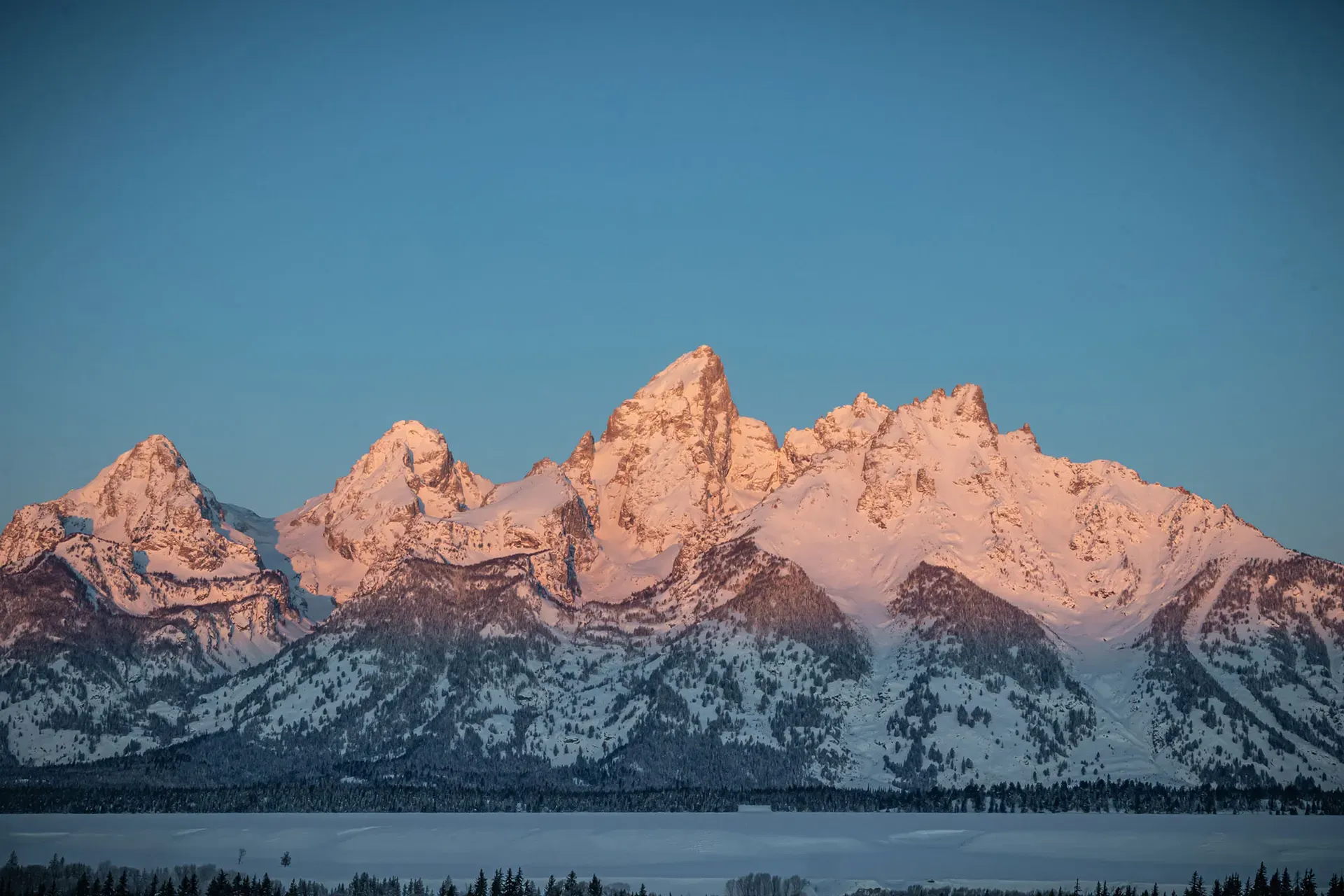
Winter is limited but magical. The road from Jackson extends only about three miles into the park, but clear days deliver the same "heavenly mountains" with bonus wildlife activity and zero crowds. Winter tours from Jackson accommodate those with mobility limitations.
Why the Tetons stay with you
Grand Teton National Park operates on a different frequency than most destinations. The combination of dramatic alpine scenery, accessible adventure, and abundant wildlife creates experiences that linger in memory long after the trip ends. Whether you come for a single day en route to Yellowstone or dedicate a full week to exploration, the Tetons have a way of becoming your favorite place on earth.
The mountains don't just sit there looking pretty. They invite interaction. They challenge hikers to reach Delta Lake's turquoise shores. They reward early risers with moose encounters on quiet roads. They test photographers with perfect reflections and alpenglow moments. Most importantly, they leave visitors planning return trips before the engine even cools.
For veterans with National Park Passes, admission is free. This is one small way to honor service while experiencing America's mountain majesty. For everyone else, the entrance fee buys access to one of the best national parks in the lower 48. The detour to drive that highway between Jackson and Moran isn't just worth it. It's essential.
The Tetons are waiting. Go before the crowds, go with your camera ready, and go knowing that whatever season you choose, these mountains will find a way to steal your heart.