Glacier National Park Montana: A Complete Guide to 2025
June transforms Glacier National Park Montana. Wildflowers explode across meadows, Going-to-the-Sun Road reopens, and grizzlies roam the valleys.
The Crown of the Continent: what to expect
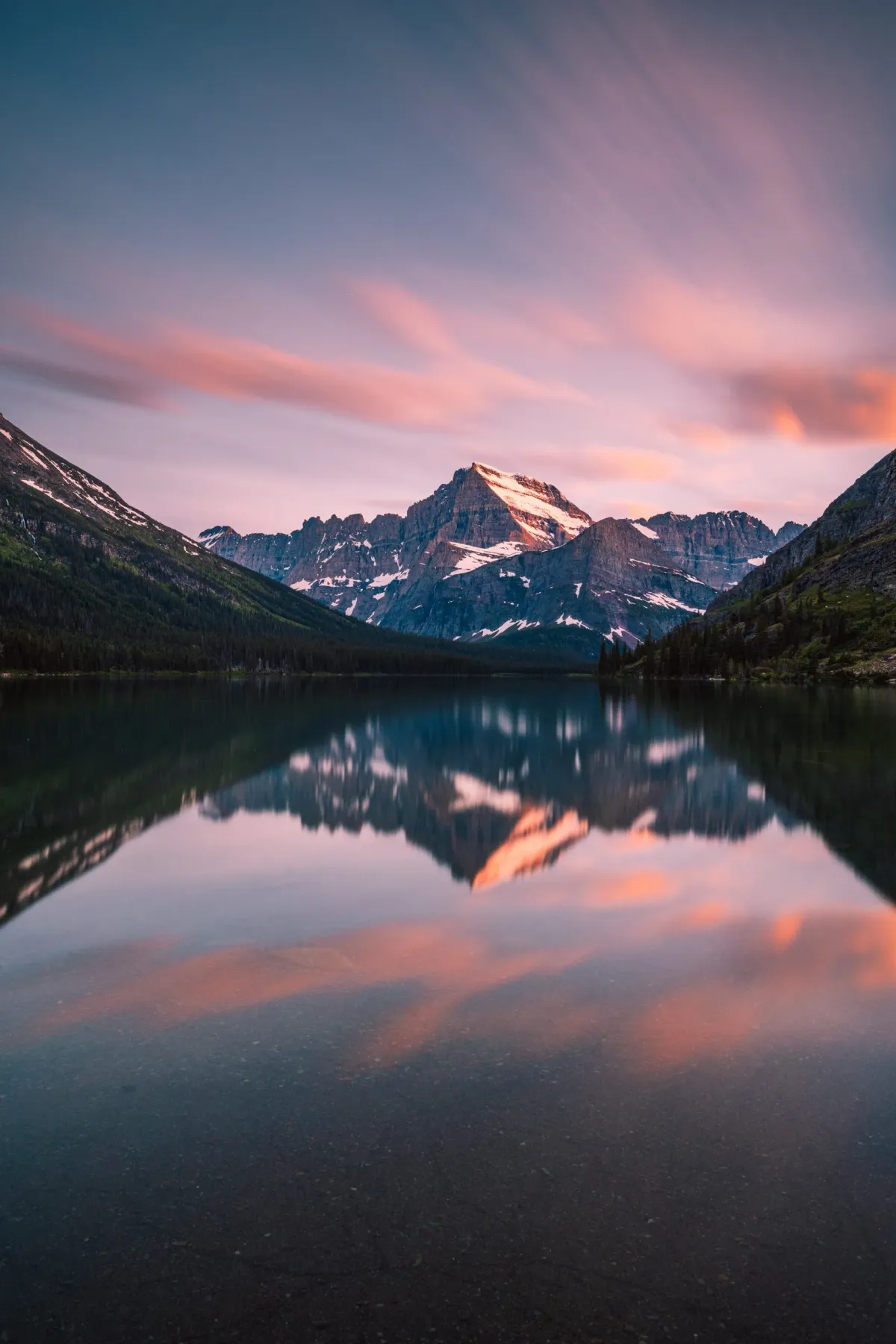
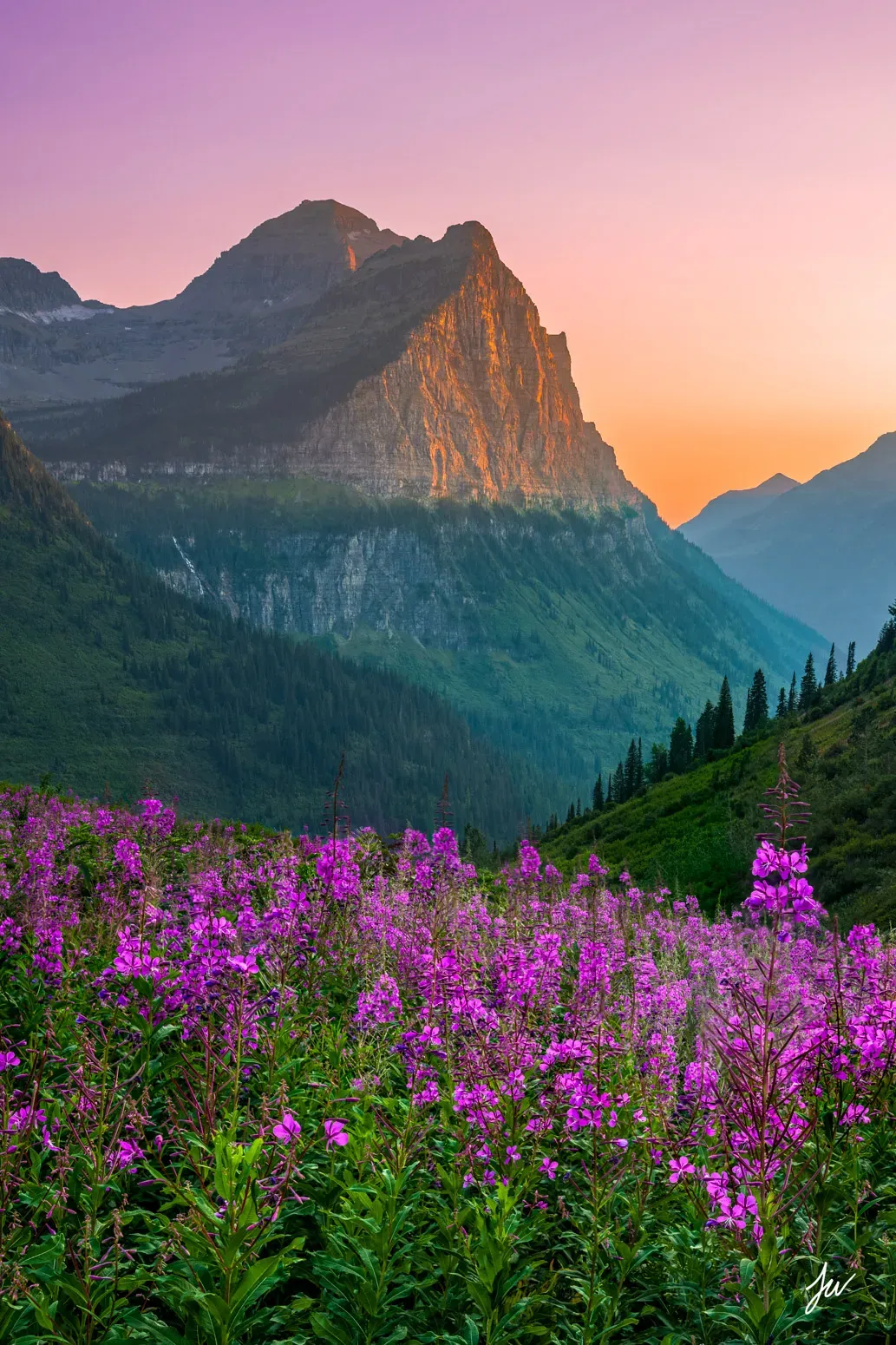
June marks peak season at Glacier National Park Montana, and I understand why. The iconic Going-to-the-Sun Road reopens after winter, wildflowers carpet the high-country meadows in purple and yellow, and mild temperatures create perfect conditions for outdoor adventure before summer crowds arrive. This park sits among the Rocky Mountains with over 700 miles of hiking trails, 26 active glaciers, and some of the most dramatic alpine scenery in North America.
What makes Glacier National Park Montana different
This is wilderness at full volume. Grizzly bears roam the valleys. Mountain goats cling to vertical cliffs. Glacial lakes reflect peaks in turquoise that seems almost too vivid to be real. The glaciers are retreating fast, making each visit more urgent. From easy lakeside walks to hard backcountry treks, the diversity of experiences matches the range of ecosystems here.
The Going-to-the-Sun Road: first impressions
Driving Going-to-the-Sun Road ranks among the best scenic drives in the United States. This 50-mile engineering wonder winds through the park's heart, crossing the Continental Divide at Logan Pass and serving views that will have you pulling over at every turnout. But vehicle reservations are required during peak hours, typically between 6 AM and 3 PM in summer. You need to book these in advance. Without a reservation, access is restricted during the most desirable times of day.
If you cannot secure a vehicle reservation, free shuttles run throughout the park. They are organized, convenient, and eliminate the stress of finding parking at crowded trailheads like Logan Pass, where the visitor center gets completely overwhelmed during August.
Early morning changes everything. Arriving when gates open means seeing mountains bathed in golden light and sharing the terrain with wildlife rather than tour buses. The Logan Pass visitor center gets chaotic by mid-morning. Lines form well before the 7 AM opening time for permits and information.
Hiking that actually lives up to the hype
Hidden Lake trail: the essential starter hike
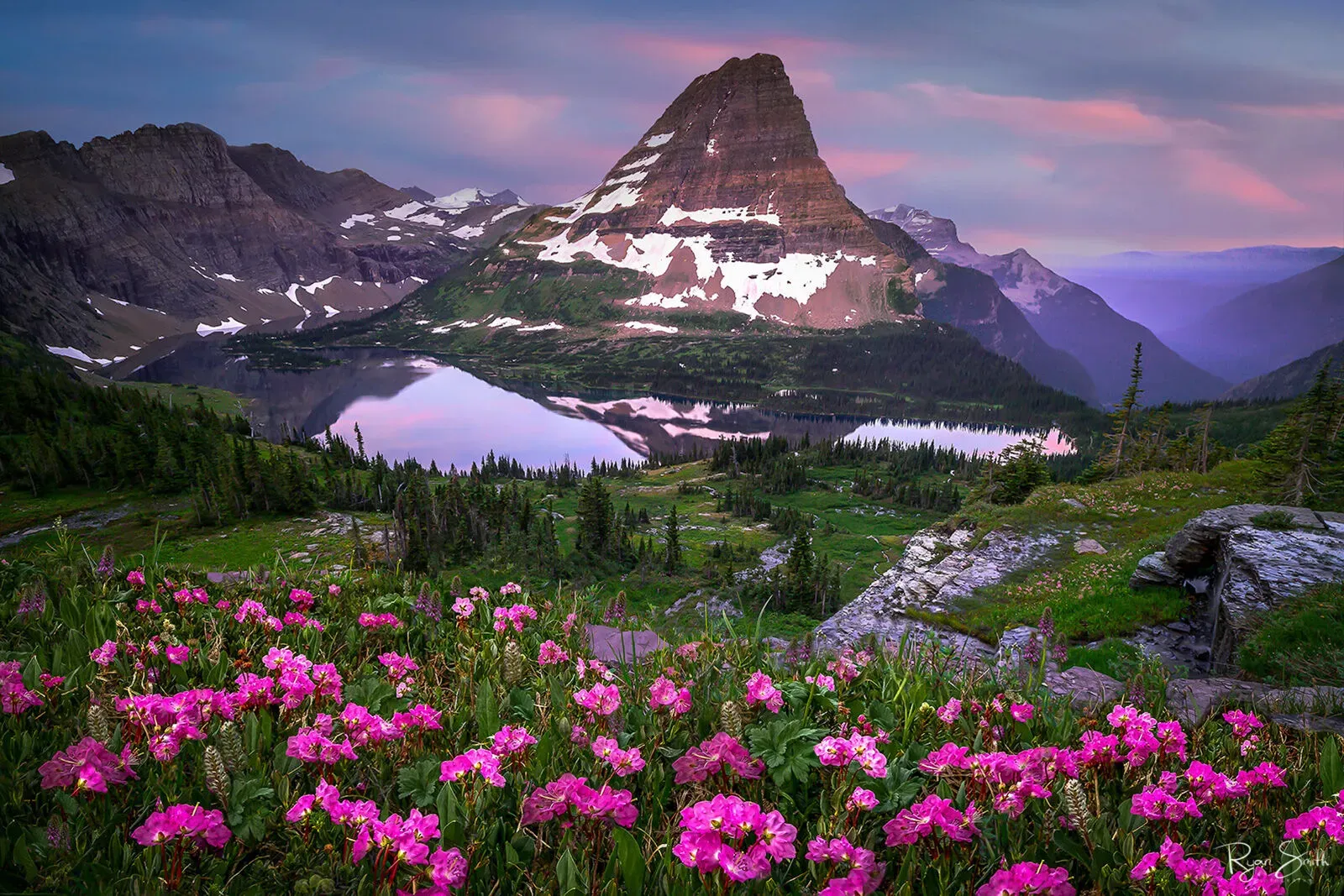
The Hidden Lake overlook trail offers an accessible but spectacular introduction to Glacier's alpine environment. Starting at Logan Pass, this boardwalk path climbs through meadows where mountain goats graze just feet from the trail, then reveals a pristine lake surrounded by snow-capped peaks. The boardwalks protect hikers and the fragile tundra below.
Grinnell Glacier: the trail that will wreck your legs
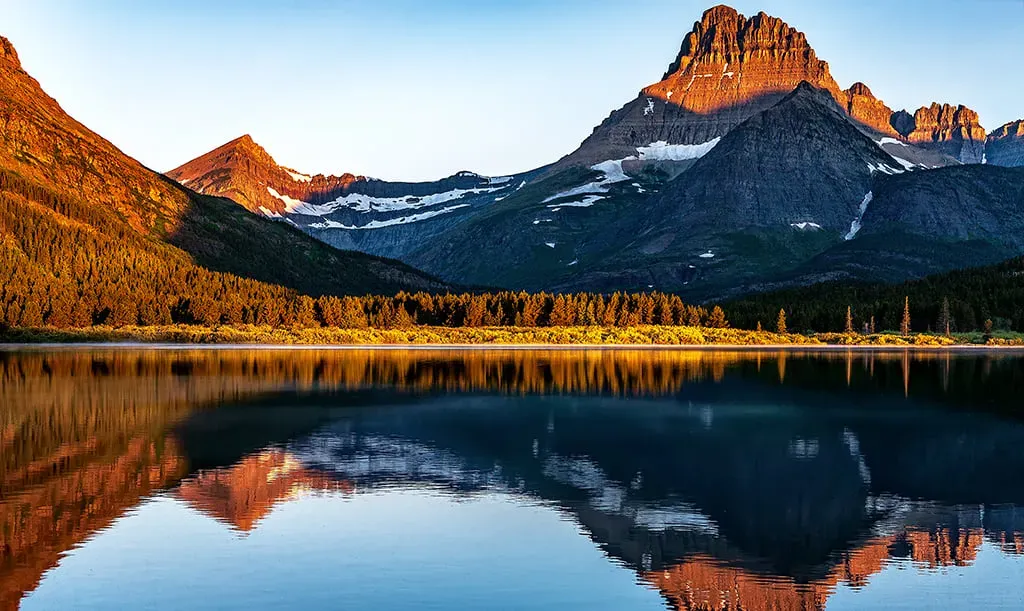
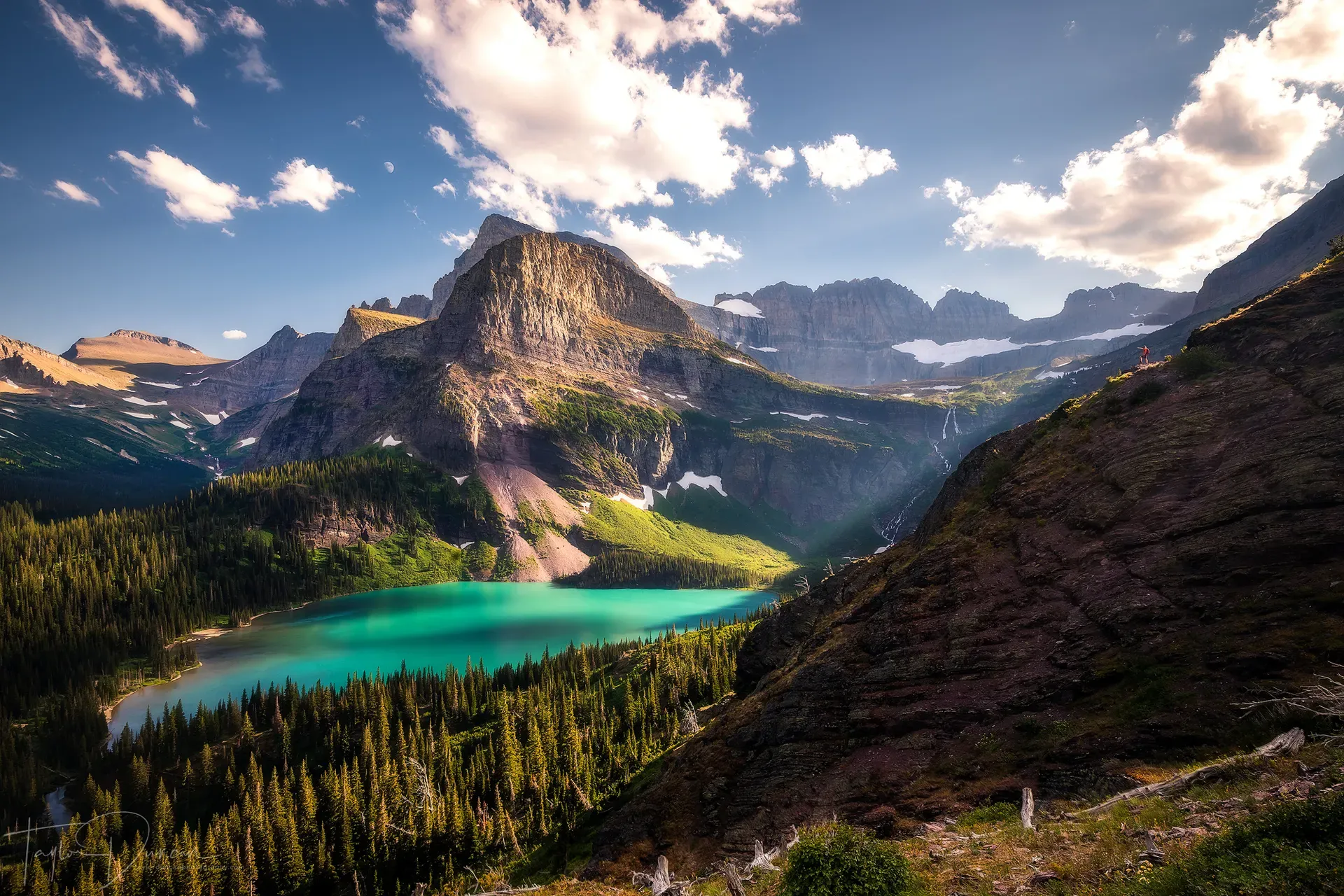
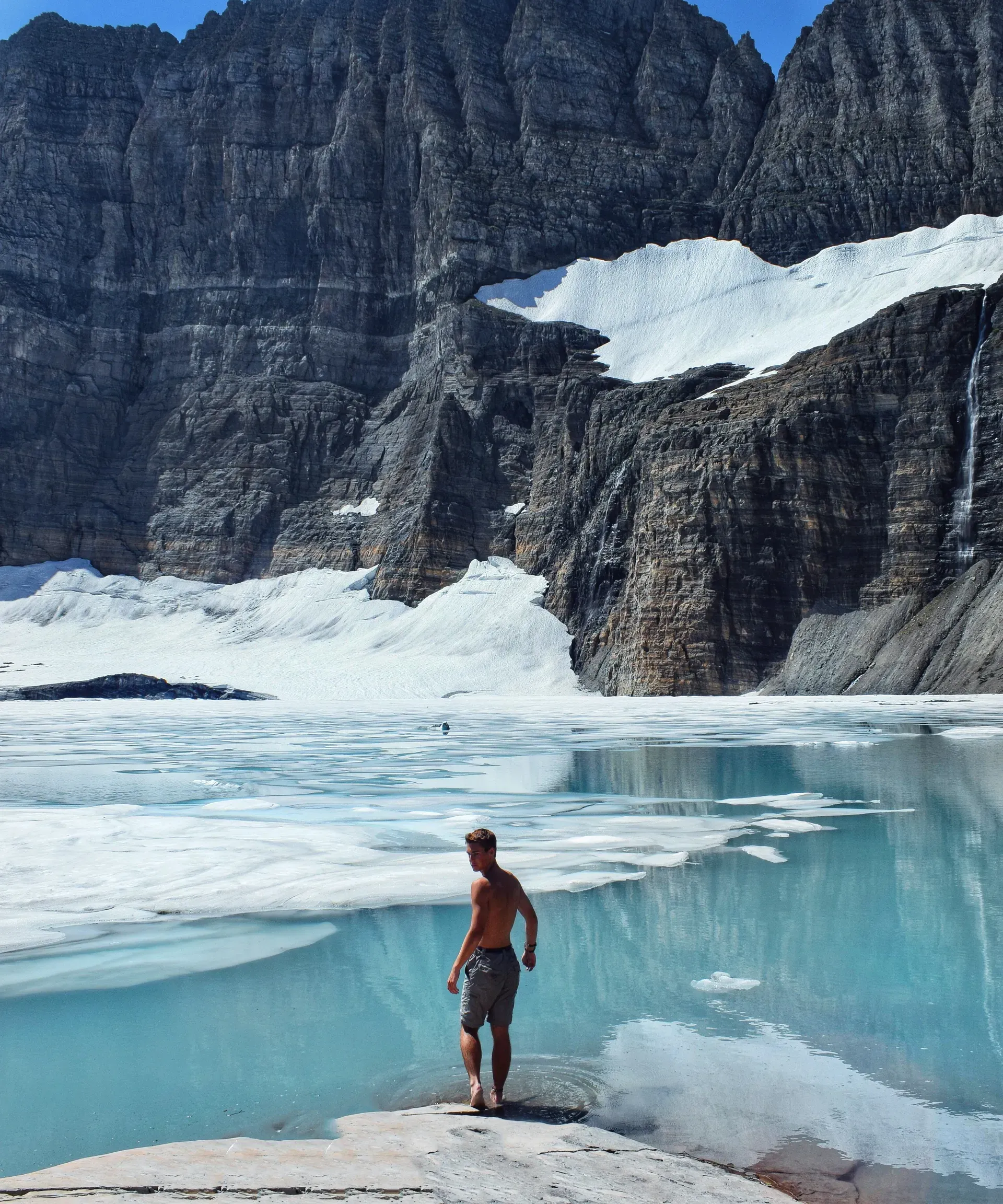
For those wanting a full-day adventure, the Grinnell Glacier Trail in Many Glacier is one of the park's most rewarding hikes. The trail delivers dramatic views start to finish. Turquoise Grinnell Lake sparkles below rugged peaks, and the final approach to the glacier reveals ice that has shaped this terrain for millennia. The Many Glacier area, centered around Swiftcurrent Lake, holds some of the park's most concentrated beauty.
Perley Rock: the Canadian side of the border
This trail starts from the Canadian side near Rogers Pass. It is demanding but extraordinary. This 15-kilometer round trip climbs 1,200 meters and takes about 4.5 hours of hiking. The reward is getting close to a magnificent glacier in terrain that feels genuinely untouched by crowds.
Wildlife: bears, moose, and mountain goats
Glacier remains one of the best places in the Lower 48 for wildlife viewing. Black bears and grizzlies forage in the valleys, especially during early morning and evening hours. Moose frequent lake edges and marshy areas. Mountain goats pose for photos along high-elevation trails. Rangers watch bear activity closely. They close trails when necessary to keep both visitors and animals safe.
Bears have been spotted along the Highline Trail and near Logan Pass. Always maintain proper distance and carry bear spray. Elk, deer, and bighorn sheep appear regularly, especially in quieter corners of the park.
What you need to know before you go
Vehicle reservations: the thing that trips everyone up
Vehicle entry permits are mandatory for specific time slots in summer. The park implemented this system due to overwhelming demand. Do not assume you can just drive up and enter. Check the National Park Service website for current requirements and booking windows.
Backcountry camping runs on a permit reservation lottery. Day-before permits are available at visitor centers. Be prepared: lines form as early as 6 AM for the 7 AM permit office opening. Without advance planning, getting overnight wilderness permits becomes extremely difficult during peak season.
Weather that makes zero sense
Glacier's weather makes no sense. Even in June, winter storms can blanket the high country in fresh snow. Going-to-the-Sun Road sometimes closes temporarily due to avalanche risk. This is a frustrating reality that can severely limit access to the park's eastern side. Road closures and trail conditions vary by elevation. Lower areas may be fully accessible while higher terrain remains snow-covered well into July.
September visits bring fewer crowds, though early snow can return without warning. Park staff remain helpful year-round, giving updated trail conditions and safety recommendations.
Where to stay: book now or regret it
Lodging near the park fills months in advance. Whether camping outside the park or booking historic lodges like Many Glacier Hotel, you need to secure accommodations early. The gateway towns of West Glacier, St. Mary, and Whitefish offer additional options, but distances inside the park are significant. Expect long drives between trailheads.
When to go (and when to avoid)
June through September offers the best access, with July and August giving the warmest weather and fullest trail access. For those wanting solitude with manageable conditions, early June and late September hit the sweet spot, though snow may linger at higher elevations. Wildflower displays peak in late July. September brings golden larch trees to select valleys.
Morning starts matter regardless of season. Wildlife is most active, parking spaces remain available, and the light for photography is unbeatable.
Making it count: a three-day itinerary
Three days is the minimum for experiencing the park's highlights. Spend one day on the Going-to-the-Sun Road corridor, one in Many Glacier, and one in either Two Medicine or the North Fork area. With limited time, prioritize the Grinnell Glacier hike and the Hidden Lake overlook. Both deliver classic Glacier experiences without requiring technical mountaineering skills.
Pack layers regardless of forecast. Carry bear spray and know how to use it. Download offline maps. Cell service does not exist in most of the park. Respect posted closures. They exist to protect both wildlife and visitors.
Be aware that park access policies and fee structures may change in 2026, with potential increases for non-U.S. residents under new administrative measures.
Why I keep coming back
Glacier National Park Montana deserves its reputation as one of America's most spectacular wilderness areas. The name "Crown of the Continent" fits. It is a vast, protected ecosystem where grizzly bears still dominate the food chain and glaciers continue slowly sculpting the stone. Yes, crowds have increased dramatically. Yes, securing reservations requires planning. Yes, the weather can turn treacherous in minutes.
But when morning light hits the peaks above Swiftcurrent Lake, when a grizzly lumbers across a meadow below Grinnell Glacier, or when evening alpenglow paints the Continental Divide in shades of rose and gold, none of the logistical challenges matter. This place leaves you speechless. It demands multiple visits. You could spend weeks exploring the valleys, ridges, and alpine lakes without seeing everything. For those who love wild places, Glacier is not a destination to check off a list. It is a place to return to, again and again.