Gjirokastra Castle Albania: An Honest Visitor's Guide
I wasn't expecting much from another Balkan castle. Then I climbed the hill to Gjirokastra and realized how wrong I'd been.
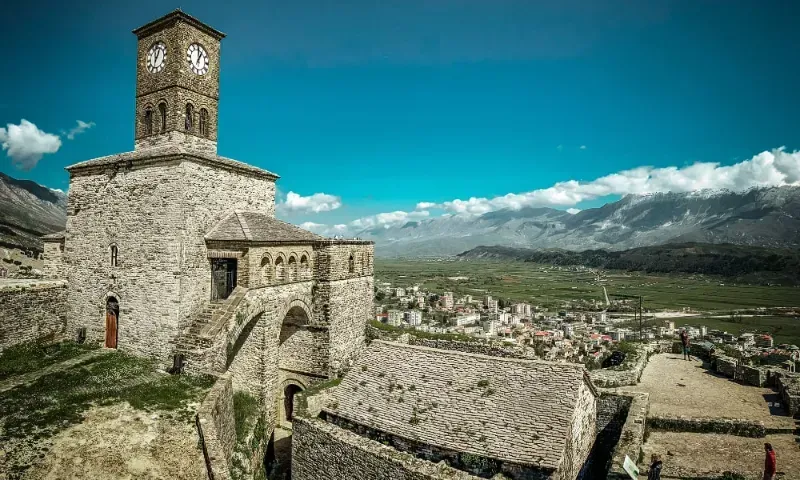
Gjirokastra Castle Albania sits on the hillside above the UNESCO-listed Stone City like it grew out of the rock itself. Most people show up here because they heard it is worth the trip, which it is. The place dates back to the 12th century, built up over the years by Ottomans, Venetians, and whoever else happened to control the region at the time. What you see today is the result of all that piling on.
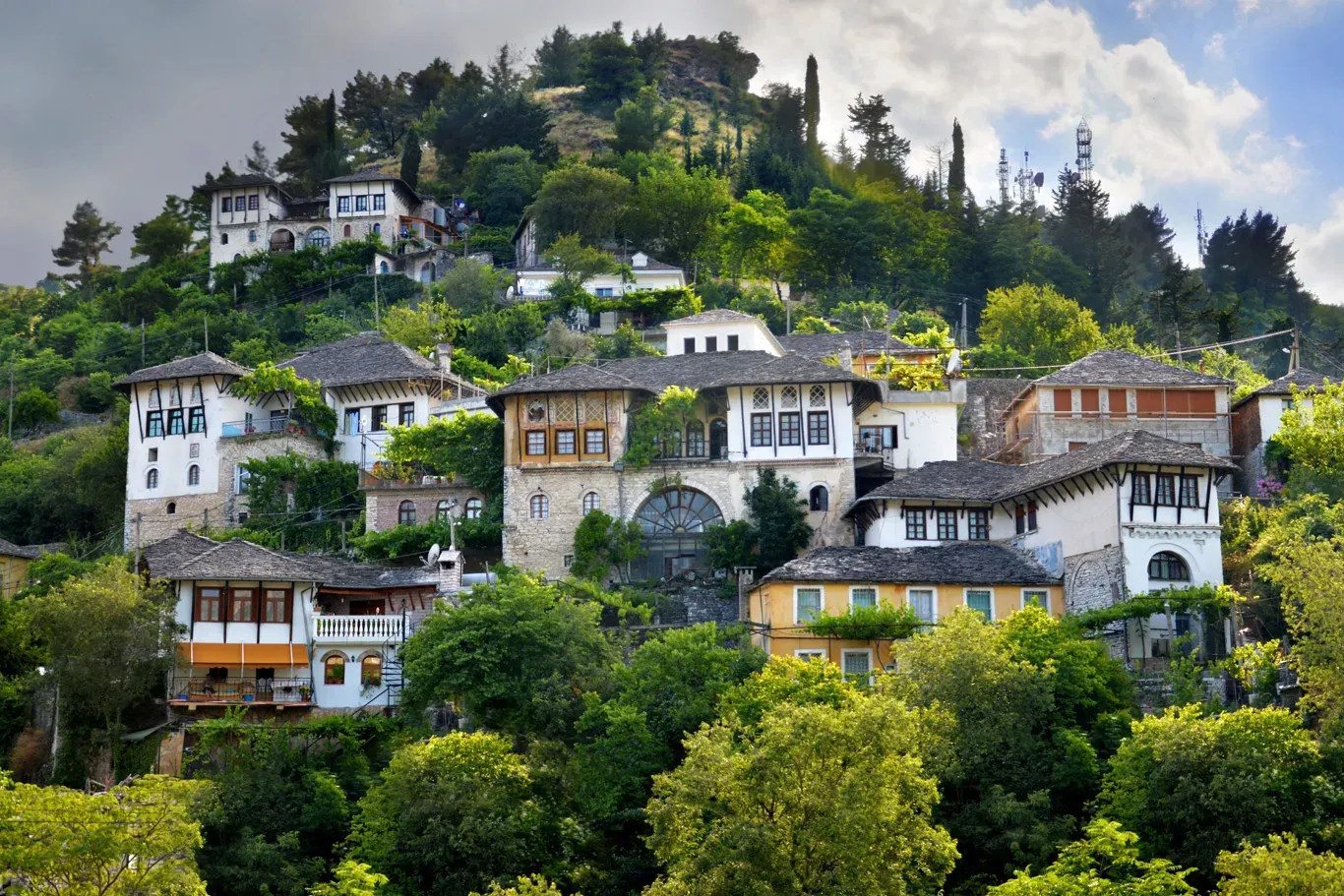
Why Gjirokastra Castle Albania is worth visiting
I will say it outright: this is the most interesting castle in Albania, and it probably belongs in any conversation about the best castles in Europe. The scale is what hits you first. From below it looks big. Up top it looks huge. Courtyards, walls, and battlements sprawl across the hilltop in a way that makes you wonder how many people it actually took to build this thing. Walking the ancient walls feels less like a museum visit and more like trespassing in another century. Towers and tunnels keep appearing around corners. The view over the Drino Valley and the stone city below is the kind that makes you stop mid-step and just stare. Inside, the place refuses to settle on one identity. It holds a military museum, prison cells that genuinely chill the mood, and every five years it becomes the stage for the National Folklore Festival. There is also the story of a princess who ruled here with enough force that people still talk about her. That helps. Castles are just piles of stone until someone reminds you that actual humans lived, fought, and died inside them.
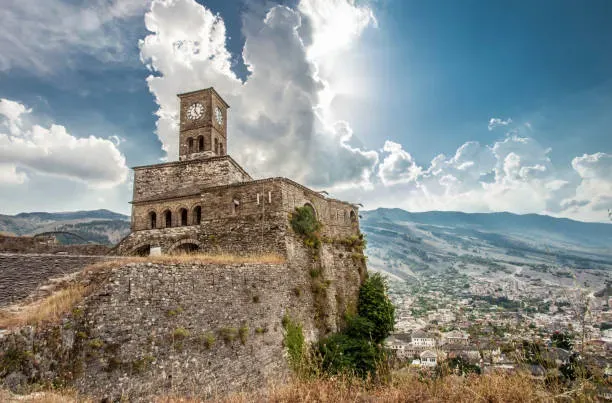
Gjirokastra Castle travel guide: arrival and logistics
Whether you walk or drive, the final stretch is a steep climb up cobblestone roads. It is a bit of a thigh burner. Parking at the top is tight, though locals usually wave you into spots that do not look like spots until you are in them. I heard that when it rains, an older gentleman near the entrance walks people up under his umbrella. I have not seen this myself, but I want to believe it is true. Admission is 400 lek per person at the gate. The museum inside costs another 100 to 200 lek. If the ticket app is being slow or you only have euros, they will take those too. Lines are rarely a problem. You can just buy tickets when you arrive. Give yourself about 90 minutes to wander, plus another 20 to 45 minutes if you want to do the museum properly.
The complete Gjirokastra Castle Albania experience
Exploring the fortress grounds
Once inside, you can go basically wherever you want. No prescribed routes. You wander halls, duck through dark tunnels, and find hidden rooms and alcoves at your own pace. The low prison and aqueduct passages hide in shadowy corners. Walk past them without looking and you will miss them entirely. Bring a flashlight. The dark recesses are genuinely dark. Wear proper hiking shoes. You can show up in casual clothes, but some areas have mud and loose soil that will destroy lesser footwear. And do not step on the grass in certain courtyards unless you want to find out why they still keep cannons there.
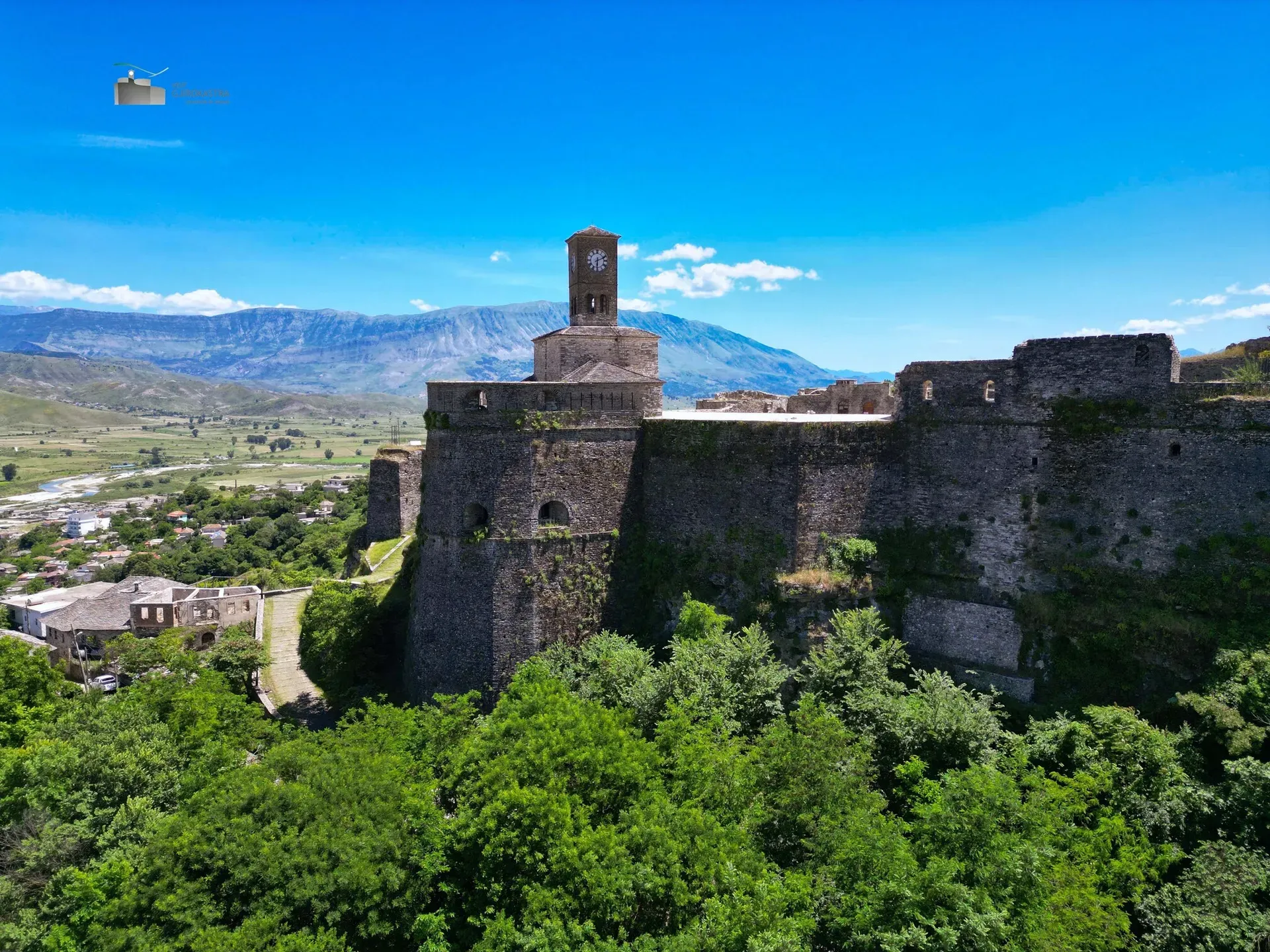
The museum, weapons, and prison cells
Pay the extra lek for the museum. Inside, plain history panels trace Gjirokastër's story from medieval times through the modern era: the various occupiers, the city's fight for freedom, all of it. The military collection includes World War I and World War II armaments, plus a rare Fiat scout tank. Only three remain in existence. The Cold War section has a captured U.S. Air Force plane and American bomber wreckage. The prison cells upstairs and in the lower levels hit harder than any of the weaponry. The spaces are cramped and dim. Walking through them is genuinely sobering. It adds a weight to the visit that the battlements alone cannot provide.
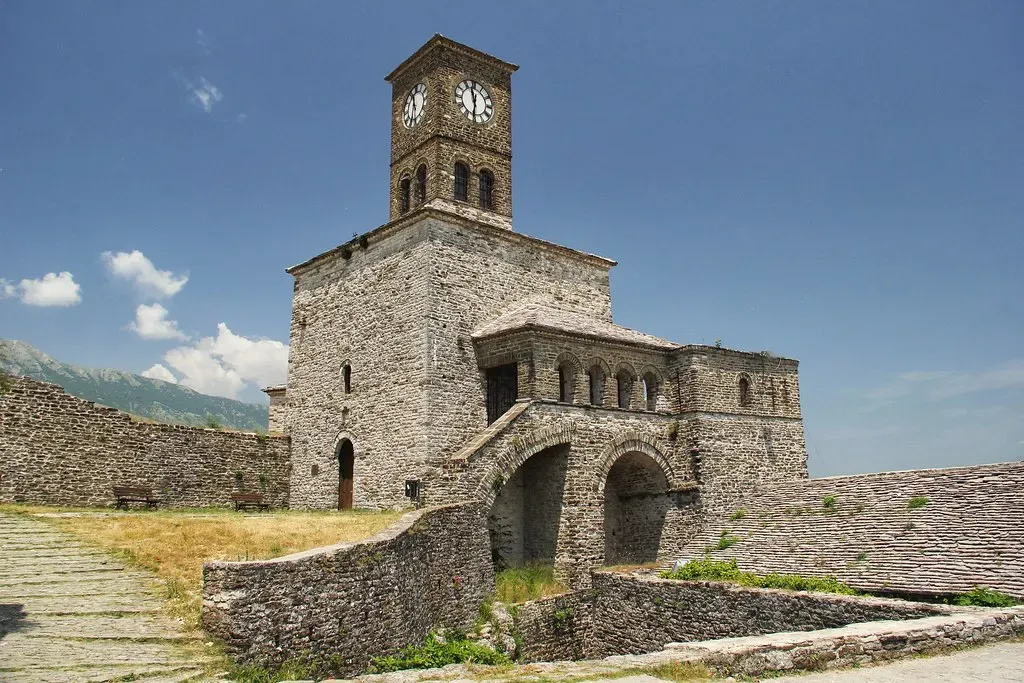
Panoramic views and atmosphere
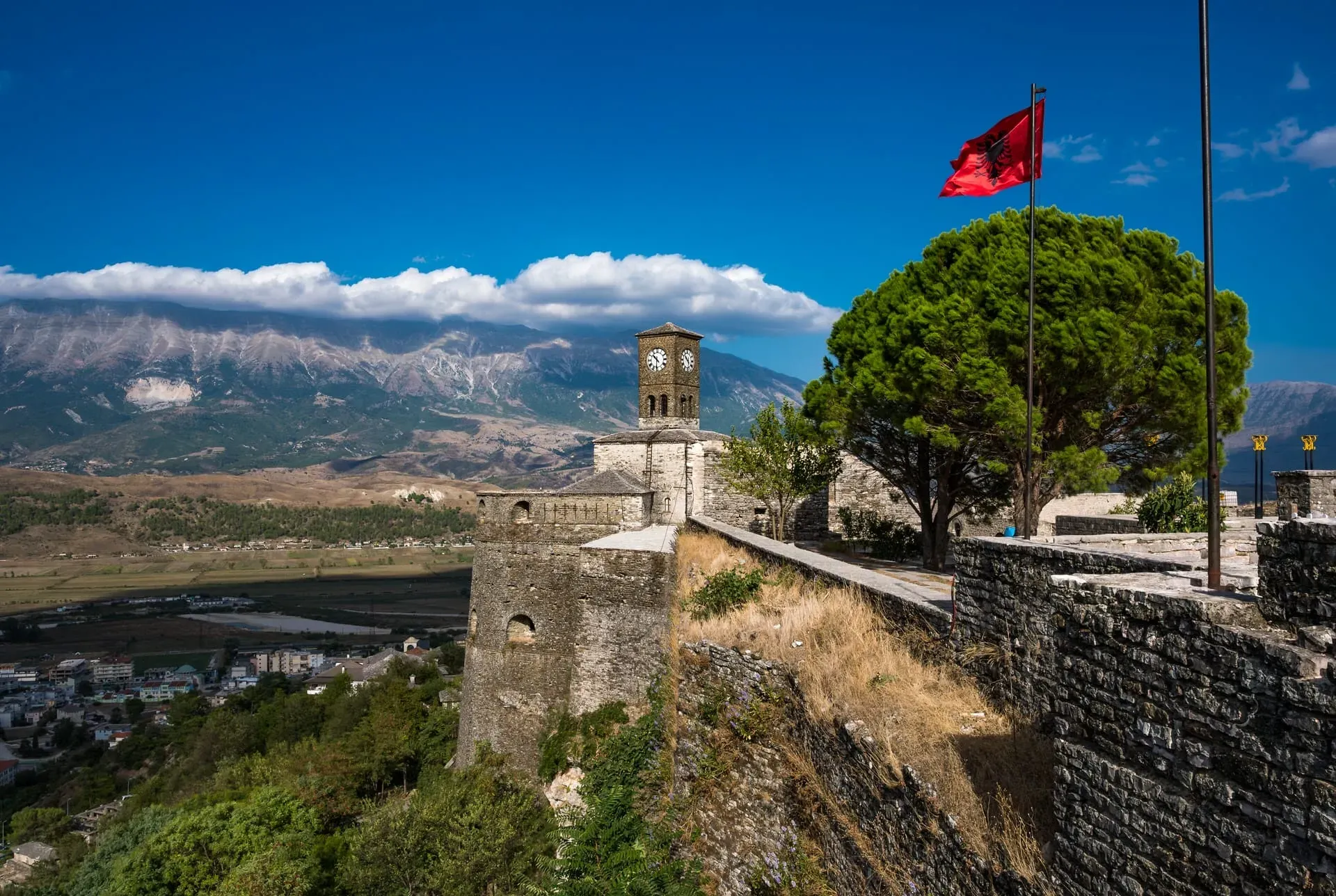
The roof near the clock tower is the place to be for scenery. On clear days you can see across the valley to snow-dusted peaks, and there are good photo spots both inside the walls and along the outer ramparts. The stone city spreads out below in a dense patch of traditional Ottoman roofs. Even in peak summer, much of the site stays cool, though the exposed hilltop means wind gusts can hit the ramparts hard. In winter the temperature drops fast, and dust kicks up from the loose soil. The atmosphere is odd. The architecture is grand, but the prison sections are dark and heavy. That contrast is what sticks with you.
Things to do in Gjirokaster after your castle visit
The castle gates are not the end of it. The nearby Bazaar district is touristy but not in a bad way. Local families run restaurants there serving Albanian dishes that actually taste like someone made them at home. A lot of people use the fortress as an anchor for a broader afternoon of wandering through the old town, which has a calm and distinct character that is hard to describe until you have felt it.
Best time to visit Gjirokastra Castle
May through September is the most practical window. Early June is usually fine, but peak summer gets crowded. Arrive early and you will dodge the worst of it. Winter visits have their own strange appeal. A clear February day frames the valley with snow-capped mountains, though you will need serious layers against the wind chill. Whatever season you pick, a clear sky is what makes the view worthwhile. Cloud cover up here is just a wall of gray.
Your essential visitor tips
Is Gjirokastra Castle worth visiting?
Yes. The views alone justify the 400 lek entry fee, and the history inside makes this one of southern Albania's essential stops. The prison museum adds a depth that few castles match. That said, preservation is uneven in places. The exposed hilltop means wind can whip up dust from loose soil, so come prepared. The experience is still powerful, but it is not polished. I think that is part of the point.
How old is Gjirokastra Castle?
The fortress goes back to the 12th century. Every group that took control added something, which is why the complex looks the way it does now.
What is the Gjirokastra Castle entrance fee?
Entry is 400 lek per person. The museum inside is another 100 to 200 lek. It is worth it.
What should you bring?
Bring water. There are no shops inside, so once you are in, you are in. Toilets exist but charge per use. A flashlight is not optional for the tunnels. Sturdy hiking shoes handle mud and uneven stone far better than casual footwear. In colder months, warm layers are not optional either.
Should you take a guided tour?
An 11-year-old volunteer named Alteo offers informal tours. He knows the history better than most adults I have met. Taking his help means you will not miss the spots that are easy to walk past. Tip him at the end. He splits it with his brother, who also leads tours.
Final thoughts
Gjirokastra Castle Albania rewards people who actually look around. The valley views are sweeping, the tunnels and towers are yours to explore without restriction, and the military museum holds rarer artifacts than you would expect from a town this size. It is the highlight of the UNESCO-listed region for a reason. I came for the history and stayed longer than planned because the place does not let you rush through it. That does not happen at every castle.