Gagron Fort India: Rajasthan's Secret UNESCO Water Fort
Gagron Fort India is Rajasthan's forgotten UNESCO treasure. Built in the 12th century and surrounded on three sides by rivers, this raw, unrestored stronghold offers something no polished heritage site can match.
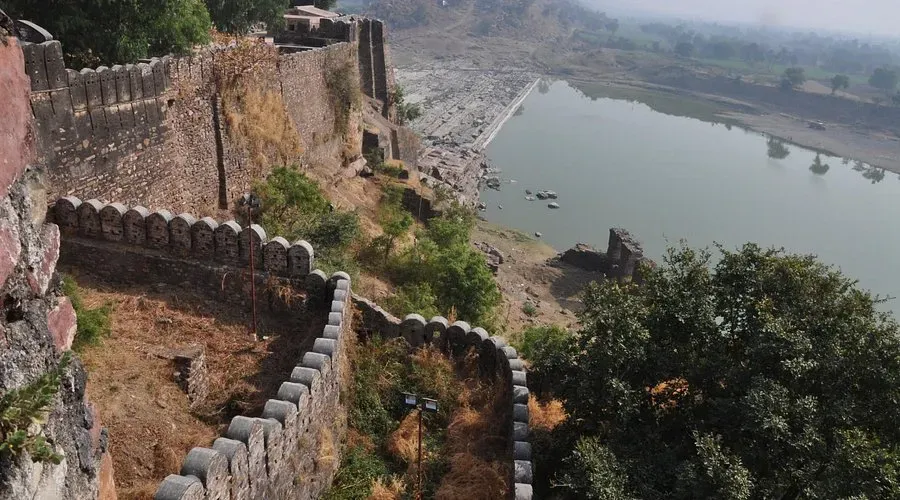
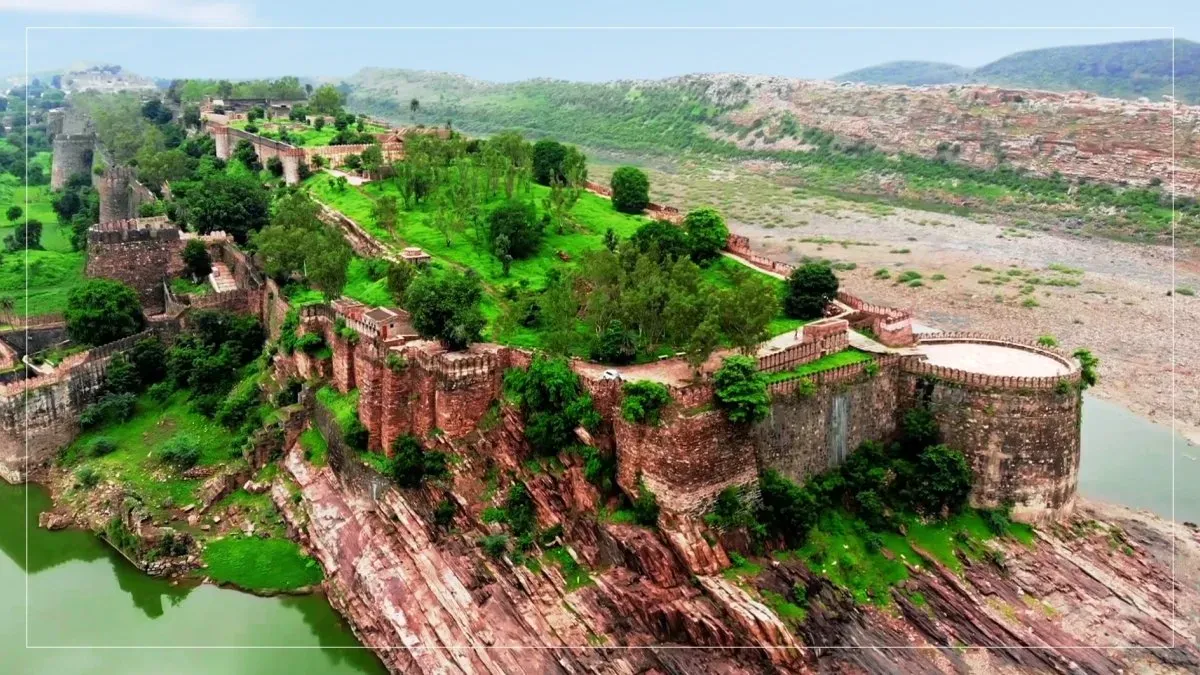
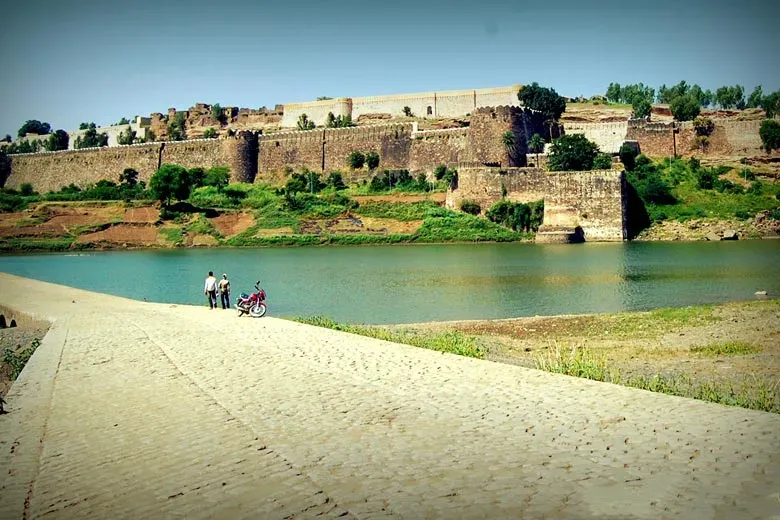
Gagron Fort India is finally stepping out from the shadow of Rajasthan's more celebrated landmarks. Travellers increasingly want heritage away from the crowds, and this 12th-century stronghold (one of the six UNESCO-listed Hill Forts of Rajasthan) is emerging as the region's most overlooked treasure. Perched roughly 12 kilometres north of Jhalawar city, the fort occupies a rocky hill where the Ahu and Kali Sindh rivers meet. Three sides are lapped by water. The fourth is sealed by a deep moat. The result is a rare jaladurga, a hill-and-water fortress whose rough atmosphere and wide river views justify the journey.
What makes Gagron Fort India extraordinary
The setting alone separates Gagron from every other fort in the state. The complex appears to grow directly from the water, an island fortress defended by the Ahu and Kali Sindh on three sides and a formidable moat on the landward approach. From the ramparts, the rivers display a striking visual contrast. The lighter Ahu merges into the darker Kali Sindh in a sangam that looks almost black and white from above. Stand at the edge and the difficulty of breaching this position becomes immediately obvious. Defenders considered it unassailable for good reason.
I keep thinking about the weight of sacrifice here. The fort witnessed two historic acts of jauhar, self-immolation by Rajput women during siege, most famously under the ruler Achalas Kinchi. These stories of resilience echo through the stone gates and ruined barracks. Unlike its UNESCO siblings Amer, Kumbhalgarh, Chittorgarh, Jaisalmer, and Ranthambore, Gagron remains largely unvisited. You can explore the palaces, temples, and pavilions slowly, without fighting through tour groups. That alone feels like a revelation in Rajasthan.
Gagron Fort India history: from Parmar stronghold to jaladurga
When was Gagron Fort India built?
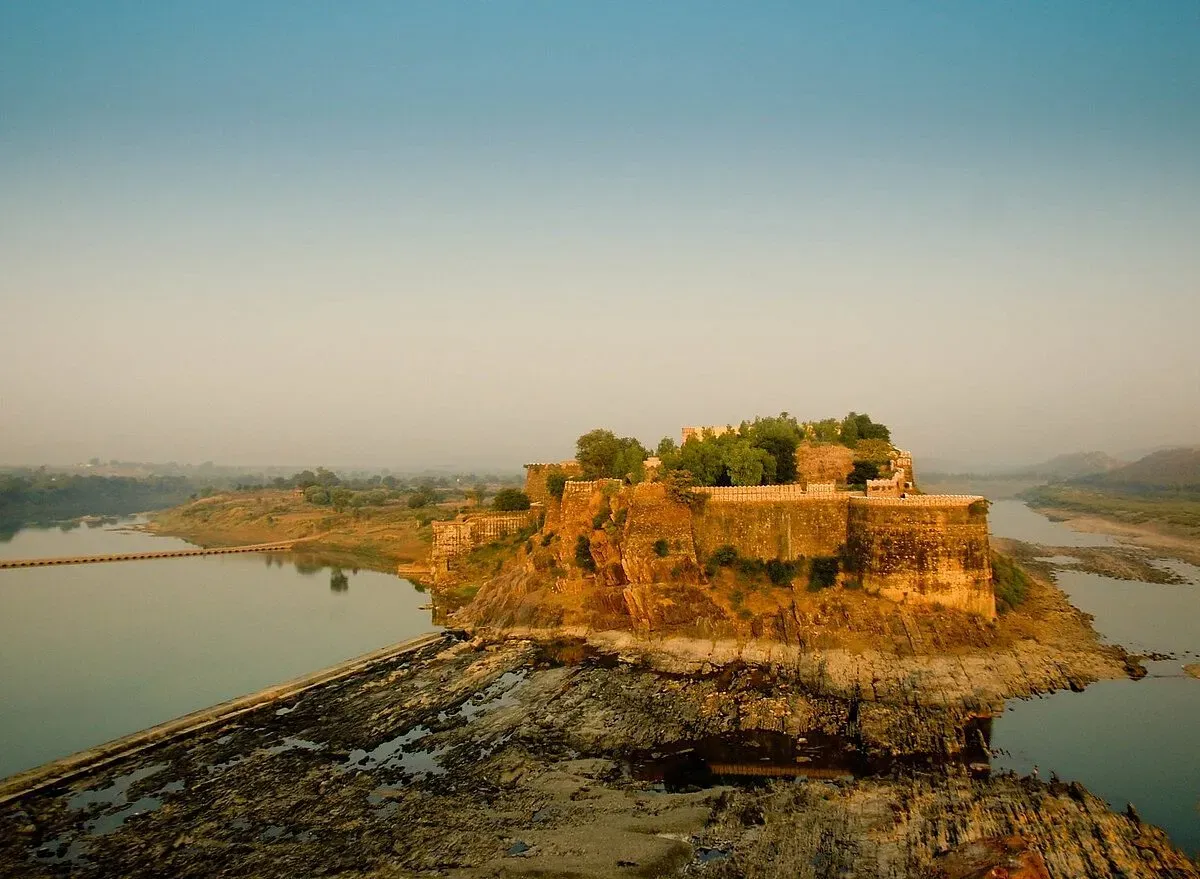
The origins stretch across several centuries, with most evidence pointing to construction between the 7th and 14th centuries. The Parmar Rajputs first established the site as Dodha-Garh before the Khichi Chauhan rulers of Jhalawar expanded it into the complex seen today. So much early documentation has been lost that neither the exact founding date nor the name of the first king is known with certainty. What is certain is the strategic vision. The Ahu merges into the Kali Sindh here, then the combined waters turn alongside a massive high hill. This was the perfect natural pedestal for a defensive citadel.
Over time, control passed from the Parmars to the Khilji and later Rajput dynasties. The fort endured repeated battles, and its walls along the riversides rise hundreds of feet. They were built wide enough to allow two horsemen to pass abreast. In 2013, UNESCO recognised Gagron as a World Heritage Site, placing it among Rajasthan's six great hill forts. Despite this global status, it remains the least renowned of the group. That only adds to its offbeat appeal.
Gagron Fort India things to do: palaces, temples, and river vistas
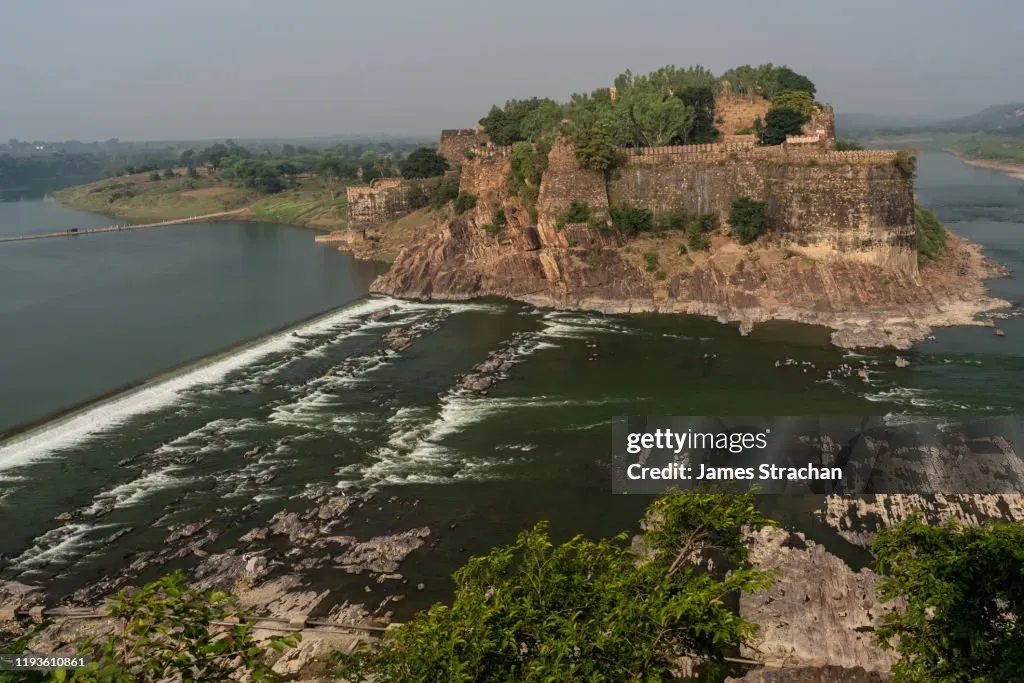
The interior sprawls across a maze of structures. Visitors can drive directly inside through successive entrance gates (ample accessible parking is available) and then explore on foot. Cruising the premises at a slow 5 kmph is allowed for convenience, but the real discoveries happen once you park and start walking. The complex houses palace ruins, military barracks, the Barudkhana ammunition section, and the active DwarkaDheesh Krishna Temple. A Dargah and the mausoleum of Sufi Saint Mitthe Shah also lie within the walls. The latter draws pilgrims during an annual fair held in Muharram. Across the river confluence, the monastery of Saint Pipaji offers another layer of spiritual heritage for those willing to seek it out.
The riverside and confluence views
Do not turn back at the central courtyard. The rewards lie at the very end of the fort, where the rivers fully reveal themselves. From the Ram Burj and the so-called suicide point, the panorama opens completely, filling your field of vision with moving water. The Ahu and Kali Sindh thread together below, an annicut visible in the distance, and the water surfaces appear dramatically different in colour from the clifftop. During monsoon the rivers overflow and the vista turns overwhelming, drawing immediate comparisons to the scenery at Garadia Mahadev temple. The sheer walls at this edge amplify the sensation of a fortress suspended between water and sky.
Photography and scenic vantage points
For photography enthusiasts, this destination is worth the detour. The opposite riverbank, approached in early morning or at golden hour, provides excellent framed shots of the fort perched on its rocky island. Inside, massive stone gates, bastions, and weathered ramparts offer endless texture. Monsoon clouds and sunset light turn the water alive and full, while winter light sharpens every edge. Even where wild grass and shrubs have crept across old courtyards, the raw, unrestored atmosphere provides frames that polished heritage sites simply cannot match.
Best time to visit Gagron Fort India
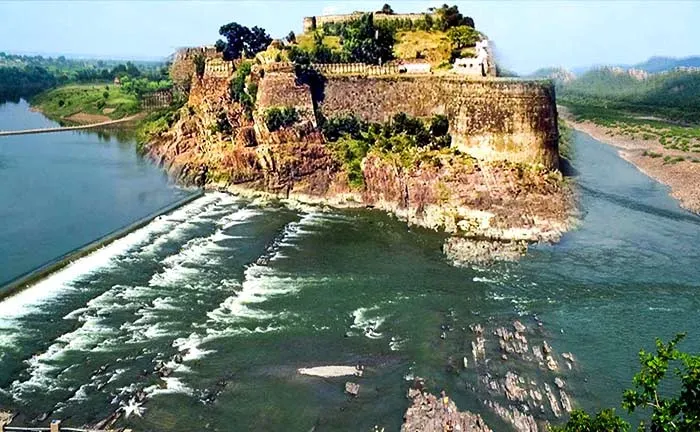
The ideal window runs from October through March, when the weather is mild and the skies clear. November to mid-March is especially pleasant for walking the ramparts and absorbing the views. However, the fort changes completely during monsoon. The rivers surge, the surrounding forests turn deep emerald, and the overflow transforms the defensive water features into reflecting pools. If you choose the rainy season, expect the confluence to be at its most dramatic. Prepare for humid conditions and muddy approach roads.
Your complete Gagron Fort India travel guide
Where is Gagron Fort India located?
Gagron Fort India sits in the Jhalawar district of Rajasthan, approximately 12 kilometres north of Jhalawar city. It lies at the precise meeting point of the Ahu and Kali Sindh rivers, protected on three sides by water and on the fourth by a deep moat.
How to reach Gagron Fort India
Reaching the site requires a deliberate effort. From Jhalawar, you cross a causeway over the Kalisind river and continue along an approach road. A personal vehicle is the most reliable option. There is ample accessible parking, and you can drive directly through the various entrance gates. Those depending on public transport can take a train from Kota to Jhalawar, then hire an auto from the Jhalawar bus stand for approximately ₹150. Be aware that road conditions have been poor, with ongoing construction making the final stretch rough.
Tickets, navigation, and accessibility
Entry for Indian tourists costs ₹50. Upon arrival, download the navigation app detailed at the entrance gate. Without it, the sprawling layout, multiple gates, and lack of signage make it easy to walk in circles. No guides are stationed here, and there are no eateries, cafés, or stalls inside or immediately around the fort. Carry water and snacks. On a positive note, ramps provide access to temples and palaces throughout the complex. A tactile map for visually impaired visitors is available. Those thoughtful inclusions deserve wider recognition.
Current conditions and safety notes
Honesty is essential here. Maintenance at Gagron is inconsistent. While some corners are surprisingly well kept, others suffer from clear neglect. Garbage accumulates in places, and several interior rooms have been taken over by bats. The smell in these spaces is overwhelming, and the floor is slick with droppings. I backed out immediately. Roof openings are not always covered. Some gaps are large enough to pose a serious fall risk, particularly for children. Graffiti mars ancient walls where irresponsible visitors have left their names. Only a handful of guards and ticket collectors patrol the site. Local youths or college students sometimes wander the premises unchecked, which can erode the solemn atmosphere. Wear sturdy footwear, watch your step on uneven surfaces, and avoid the bat-infested rooms entirely. Some have suggested that opening sections for private events could help fund the upkeep this World Heritage Site desperately needs.
Final thoughts: why Gagron Fort India deserves your attention
Gagron Fort India does not know what it wants to be. It is a UNESCO treasure of immense architectural weight, yet it is quietly falling apart. For the intrepid traveller, that imperfection is the appeal. There are no polished audio guides, no souvenir stalls, no crowds. You get raw history instead. You get river-confluence views that lodge in your memory for weeks. You get the rare sensation of discovering a place that actually still feels like a secret. Go for the panoramas, stay for the silence, and return with stories no other fort in Rajasthan can replicate.