Bomod-ok Falls Sagada: A 200-Foot Trek Worth Every Step
Trek through rice terraces to reach Bomod-ok Falls Sagada, a 200-foot cascade with ice-cold pools. This guide covers routes, entrance fees, and whether the brutal climb back up is worth it.
A 200-foot cascade hidden in the Cordillera Mountains
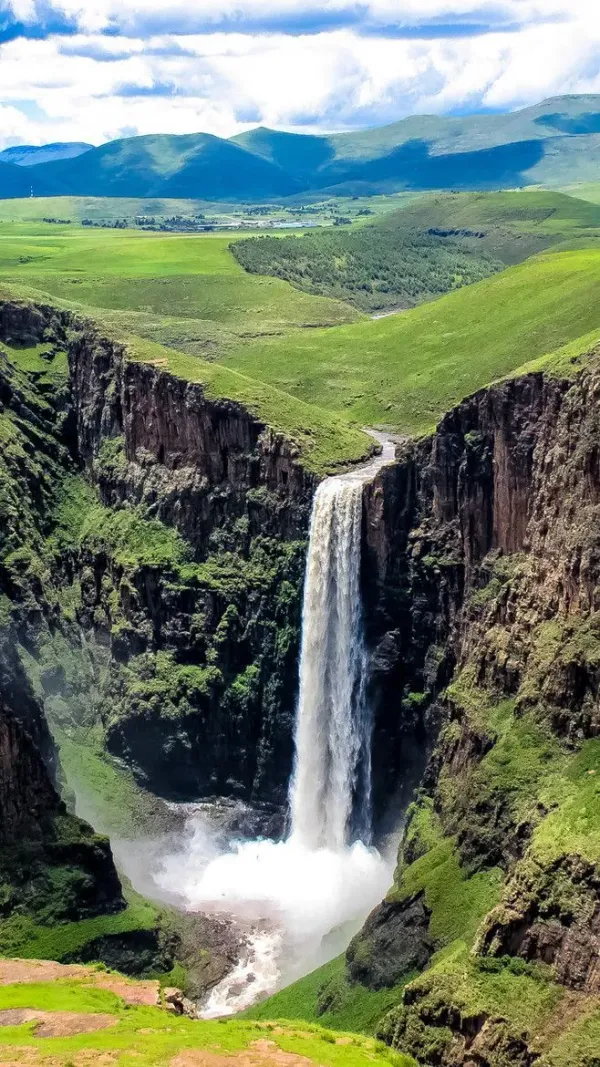
Bomod-ok Falls is one of the most rewarding pursuits in Sagada. It's a 200-foot waterfall (61 meters) tucked deep inside a valley in the Mountain Province. Locals also call it "Big Falls," and it's easy to see why this place has become a fixture on traveler itineraries. The journey to reach it winds through centuries-old rice terraces, mountain villages, and Cordillera landscapes that shift with every turn.
The name "Bomod-ok" comes from the water pressure itself. "Bulwak" in Filipino translates to the powerful "Bumod-ok" in the local Sagada dialect. Stand at the base as 200 feet of water crashes into the pool below, and the meaning hits you immediately.
What makes Bomod-ok Falls special
Unlike waterfall trips that hand you the main attraction immediately, Bomod-ok demands effort. That effort makes the arrival genuinely satisfying. The falls gives you multiple layers of experience: the physical trek through working rice terraces, real cultural immersion in Kankana-ey communities, and finally, that thundering cascade waiting at the valley floor.
Most visitors say the journey rivals the destination. You'll pass through Fidelisan Village, where locals, men, women, and children, move between rice paddies carrying sacks of produce on their backs. You'll see timber balanced on shoulders, children planting crops, and community members singing as they watch you pass. The concrete path gives you a rare look at how mountain communities have survived for generations despite the unforgiving terrain.
The Bomod-ok Falls trek experience
Choosing your route: where is Bomod-ok Falls located?
Bomod-ok Falls sits in the flatlands of Northern Sagada. Two distinct paths lead there. Your choice shapes the entire experience.
The Bangaan Route (recommended for most): This 2-kilometer journey takes roughly 40-45 minutes to descend and 90% follows cemented stairs. The path crosses directly through rice terrace paddies and gives you spectacular valley views. Because the steps are small and manageable, beginners find this route accessible. The downside? The return climb is brutal. Stairs are grouped in large continuous sections that force constant climbing under the sun.
The Aguid-Pide/Fidelisan Route: A steeper, shorter option taking about one hour. This route attracts experienced hikers and those wanting a more direct challenge. The reward is a slightly easier exit through Pide.
The descent: what you'll see
Starting early, around 8:30 AM, gives you several advantages. The sun remains tolerable. You'll likely have the falls to yourself, especially on Saturdays when tours prioritize Marlboro Hills and Blue Soil first. The lighting hits the rice terraces perfectly.
The trail passes through rice fields that give you incredibly photogenic opportunities, particularly after exiting the village. During wildflower season, fields of sunflowers line the path.
Watch for the dogs that accompany trekkers to the falls. It's a charming, unexpected feature that delights visitors. About halfway, a convenience store sells refreshments for those who need a break.
The falls: what awaits at the bottom
The sight of Bomod-ok Falls crashing down from a naturally contoured cliff genuinely takes your breath away. The force creates a constant mist that soaks the surrounding area. Bring a waterproof camera or protection for electronics.
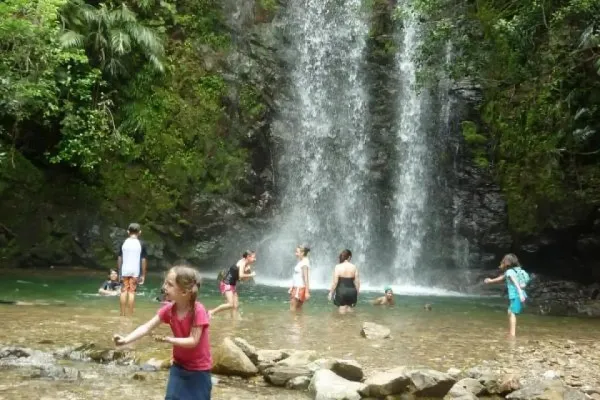
The pool at the base is deep and ice-cold, perfect for refreshing tired muscles. If you can swim, jump right in. The cold shock instantly revitalizes you after the trek down. Don't miss the hidden chamber on the left side: a small opening that requires crawling through reveals a mini falls facing directly toward the main cascade.
Local community members often gather here to swim, play, and socialize. These interactions add authentic cultural immersion to the physical adventure.
The return: your exit strategy
The ascent proves far more demanding than the descent. Most visitors feel thigh pain after trekking back up. The cemented stairs grouped in long continuous sections force relentless climbing.
Savvy trekkers have discovered an alternative: exit through Pide instead of returning to Bangaan. The Pide exit features cemented roads with fewer stairs, and the climbing comes only in the final leg. This is far more tolerable than the Bangaan return. The trade-off? A PHP 300 fee for this shortcut. From the Pide exit point, budget another PHP 500 for the jeep ride back to your original parking area.
Bomod-ok Falls Sagada entrance fee and practical costs
Understanding the fee structure prevents surprises at the trailhead. Budget accordingly:
- Tourism/Environmental Tax: Required at the Sagada Tourism Office
- Entrance Fee: PHP 10 per person
- Guide Fee: PHP 500 per group (up to 7 people) or PHP 1,500 for a guided tour experience
- Shuttle (if needed from town): PHP 600
- Pide Alternative Exit: PHP 300
- Return Jeep Ride: PHP 500 from Pide exit
Registration is mandatory at the Tourism Office near the municipal hall before heading to the jump-off point. No guide is allowed to work without proper registration, and attempting the trek without one isn't recommended. The guides provide essential navigation and cultural context.
Best time to visit Bomod-ok Falls Sagada
The official dry season from December to May gives you the most reliable conditions for trekking. However, seasonal variations create distinctly different experiences.
Dry season advantages
Visiting during summer months reveals a partially dried river and reduced water flow from the falls. While this sounds disappointing, it actually gives you a unique advantage: you can come much closer to the falls base than during rainy periods. When water rushes heavily, safety limits how near you can approach.
Surprisingly, one November visitor reported the water wasn't as cold as expected. This challenges assumptions about wet-season chill.
Rainy season considerations
Heavy rain transforms the experience. The water current becomes strong and dangerous. Attempting to climb the falls becomes impossible. The risk isn't worth the attempt when conditions turn rough.
Timing your visit
Saturdays offer excellent crowd management opportunities. Since most tour operators schedule Marlboro Hills and Blue Soil tours on Saturdays first, Bomod-ok Falls sees fewer visitors in the morning hours. Arriving at 8:30 AM dramatically increases your chances of having the entire falls to yourself.
Be cautious about combining Bomod-ok with other major Sagada activities in one day. Even regular hikers report that doing Marlboro Hills, Blue Soil, Sumaguing Cave, and Bomod-ok Falls consecutively becomes exhausting. The trek back up from the falls drains energy rapidly.
Essential tips for your Bomod-ok Falls trek
Is Bomod-ok Falls worth visiting?
For visitors choosing between Sagada's attractions, Bomod-ok consistently wins comparisons to alternatives like Marlboro Hills for those wanting a manageable challenge with maximum reward. The difficulty rating sits around 5/10. Not extreme, but substantial enough to feel like an achievement.
What to bring
- Footwear: Slippers work fine on the cemented path. No heavy hiking boots required.
- Walking Stick: Highly recommended for the steep sections and knee protection.
- Sunscreen and Hat: Essential. The sun exposure during the climb back is intense.
- Water: The ascent demands serious hydration.
- Snacks: Energy for the return trek.
- Waterproof Camera Protection: The mist from the falls soaks everything nearby.
What to expect from your guide
Guides possess deep knowledge of the area and willingly answer questions, though most don't volunteer information proactively. Ask about the history of the northern barangays, how they differ from central Sagada, and the traditions of the Kankana-ey communities you pass through. These insights transform a physical trek into a cultural education.
One major disappointment
Multiple visitors note a significant downside: rubbish and empty drink bottles scattered around the falls area. The pristine natural setting suffers from litter issues that detract from the experience. Pack out everything you bring in, and consider carrying out extra if you're moved to help.
Final thoughts: is Bomod-ok Falls Sagada worth it?
Bomod-ok Falls gives adventure travelers exactly what they seek. A challenge that feels earned. Natural beauty that rewards persistence. Authentic cultural encounters unavailable from a tour bus window. The cemented trail makes it accessible to beginners while the return climb satisfies those wanting physical exertion.
This isn't the most spectacular waterfall in the Philippines. That title belongs to giants like Kawasan Falls or Maria Cristina. But Bomod-ok gives you something more valuable: a complete experience where the journey through ancient rice terraces, living mountain villages, and terraced valleys builds anticipation that the 200-foot cascade pays off in full.
The burning thighs on the climb back. The mist-soaked camera. The hidden mini-falls through the crawling chamber. The locals swimming alongside visitors. Together they create an adventure that earns its reputation as a Sagada essential. Start early, bring water, and don't skip the guide. Some efforts are simply worth it.