Acadia National Park Maine: Complete Coastal Mountain Guide
Acadia National Park United States offers epic sunrises, coastal hikes, and historic carriage roads. Here's how to plan your visit to Maine's coastal mountain paradise.
Introduction: Where mountains meet the Atlantic
Acadia National Park United States is one of the most striking landscapes in the American Northeast. Granite peaks rise abruptly from the Atlantic Ocean across nearly 50,000 acres of Mount Desert Island in Maine. This compact park contains mountains, forests, lakes, and coastlines within an area smaller than many western parks. June 2026 is an ideal time to visit: wildflowers bloom, temperatures stay comfortable, and crowds remain manageable before the July rush.
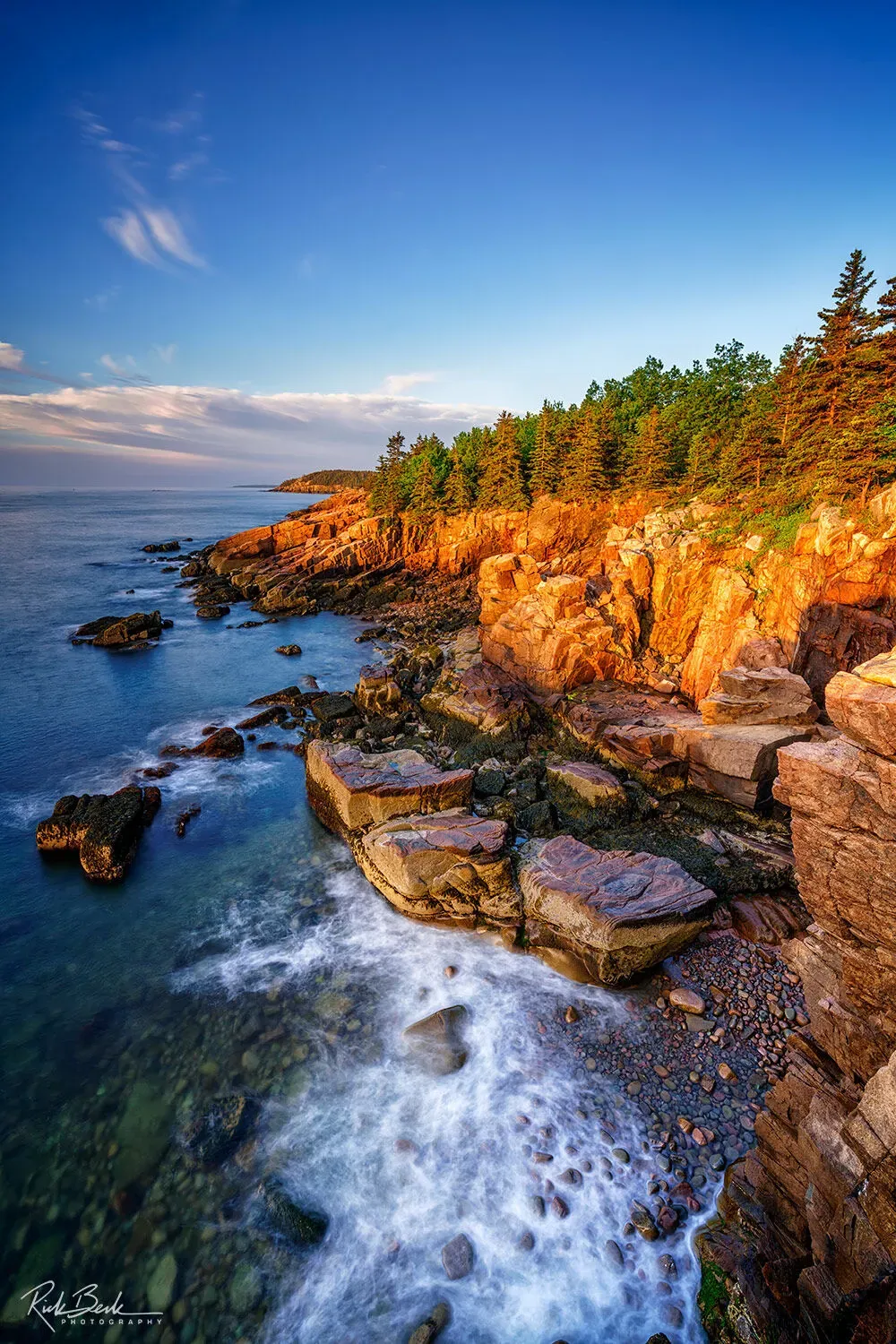
I keep coming back to how unusual this place is. You can bike historic carriage roads in the morning, hike to a mountain summit for lunch, explore tide pools at low tide, and still have time for fresh popovers at the Jordan Pond House. Most national parks demand days of hiking to see half as much variety. Acadia National Park United States packs it all into a few square miles.
What makes Acadia National Park United States special
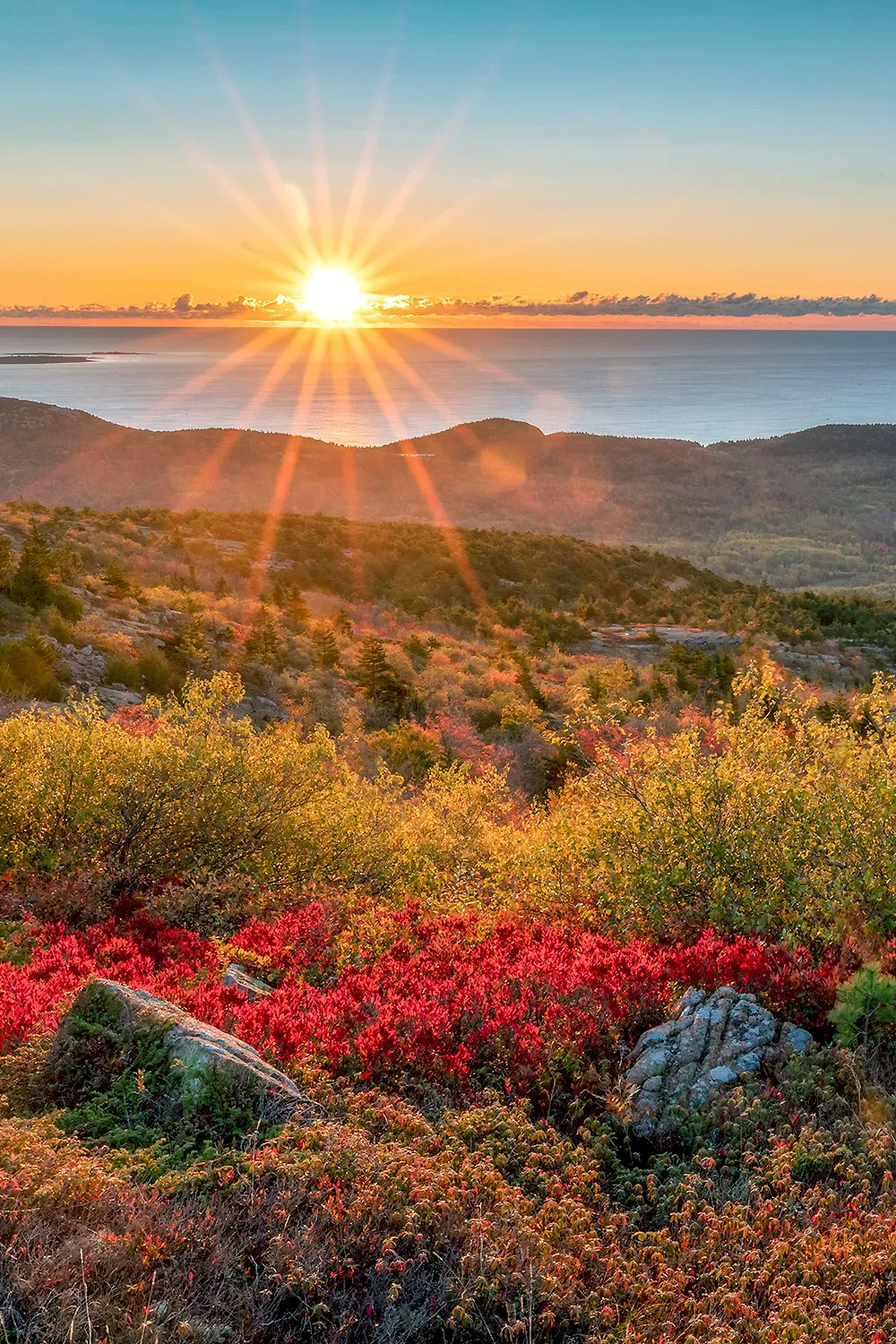
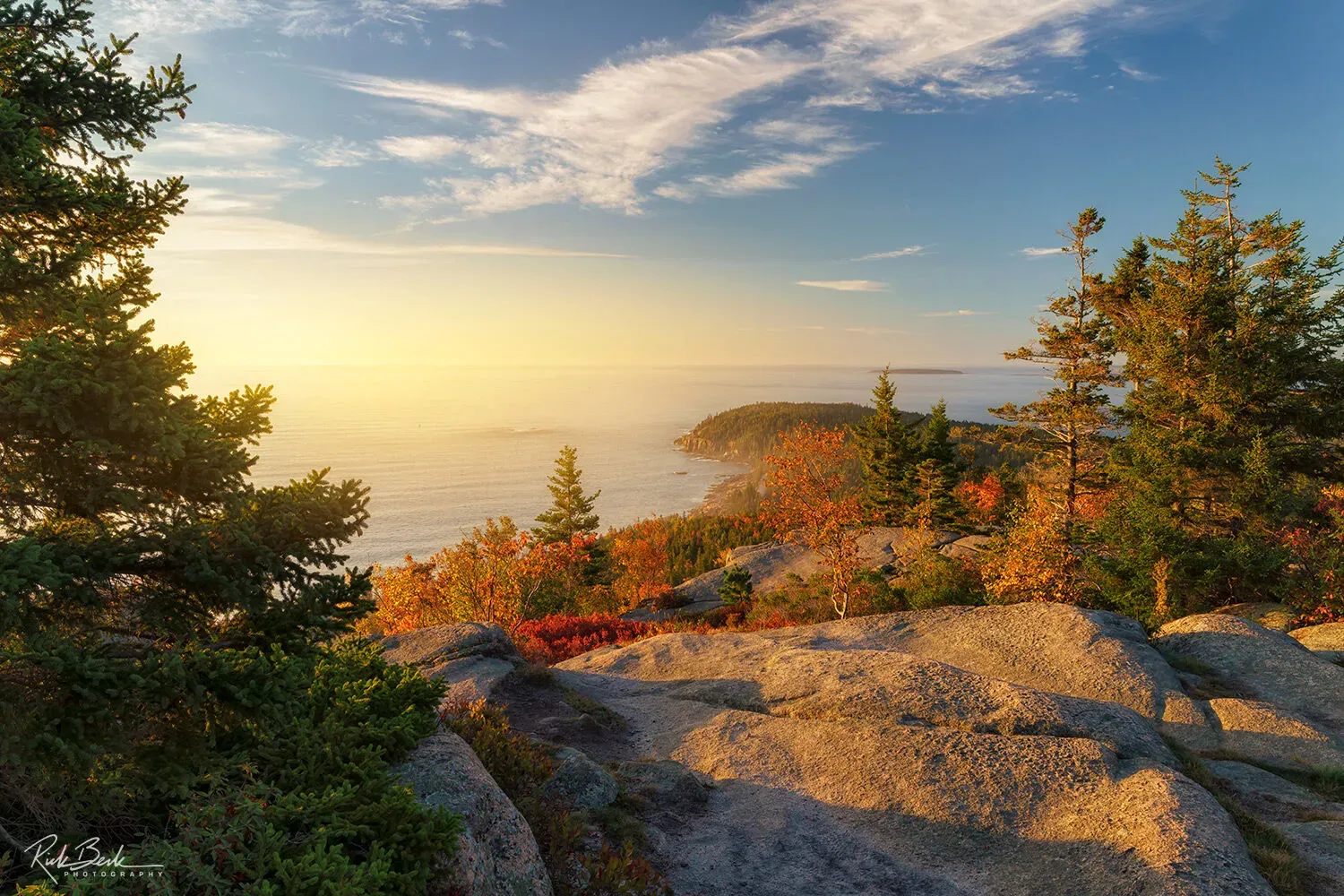
The highest point on the eastern seaboard sits inside this park. Cadillac Mountain reaches 1,530 feet, and from October through March, the sunrise hits this peak before anywhere else in America. Glaciers carved these rounded granite domes and left behind lakes like Jordan Pond and Eagle Lake. Forty parking spaces fill by 8 AM and you realize this place isn't exactly undiscovered. But there's a reason everyone comes.
John D. Rockefeller Jr. built 45 miles of carriage roads between 1913 and 1940. No cars allowed. You bike or walk through pine forests on crushed stone paths, crossing stone bridges that have stood for a century. The air smells like salt and evergreen.
White-tailed deer wander through the woods. Foxes cross the carriage roads at dawn. Ospreys dive for fish. Seals lounge on coastal rocks. When the tide goes out at Sand Beach or Bar Island, the pools reveal starfish, crabs, and sea urchins. It's the kind of dense wildlife population you expect in Alaska, not a few hours from Boston.
Hiking, views, and hidden gems in Acadia National Park United States
Cadillac Mountain summit
Cadillac Mountain dominates the skyline at 1,530 feet. You can drive to the top if you have limited mobility or time. Most people do. But you can also hike several trails to the summit and avoid the parking chaos entirely.
The North Ridge Trail is the most direct hiking route. Views of Frenchman Bay expand with every step up. For a loop, continue over the summit and descend via the Gorge Path or South Ridge Trail. The Beehive Trail sits nearby. It's short but steep, with iron rungs and ladders that require comfort with heights. Most hikers manage it fine, and the coastal views are worth the adrenaline.
Driving to Cadillac Mountain's summit now requires advance reservations. A timed entry pass costs $6 on top of the park entrance fee. You must book online well ahead of time, especially for sunrise slots. Hiking up avoids this reservation system entirely. You also get the satisfaction of earning those views rather than stepping out of a car.
The Ocean Path and shoreline
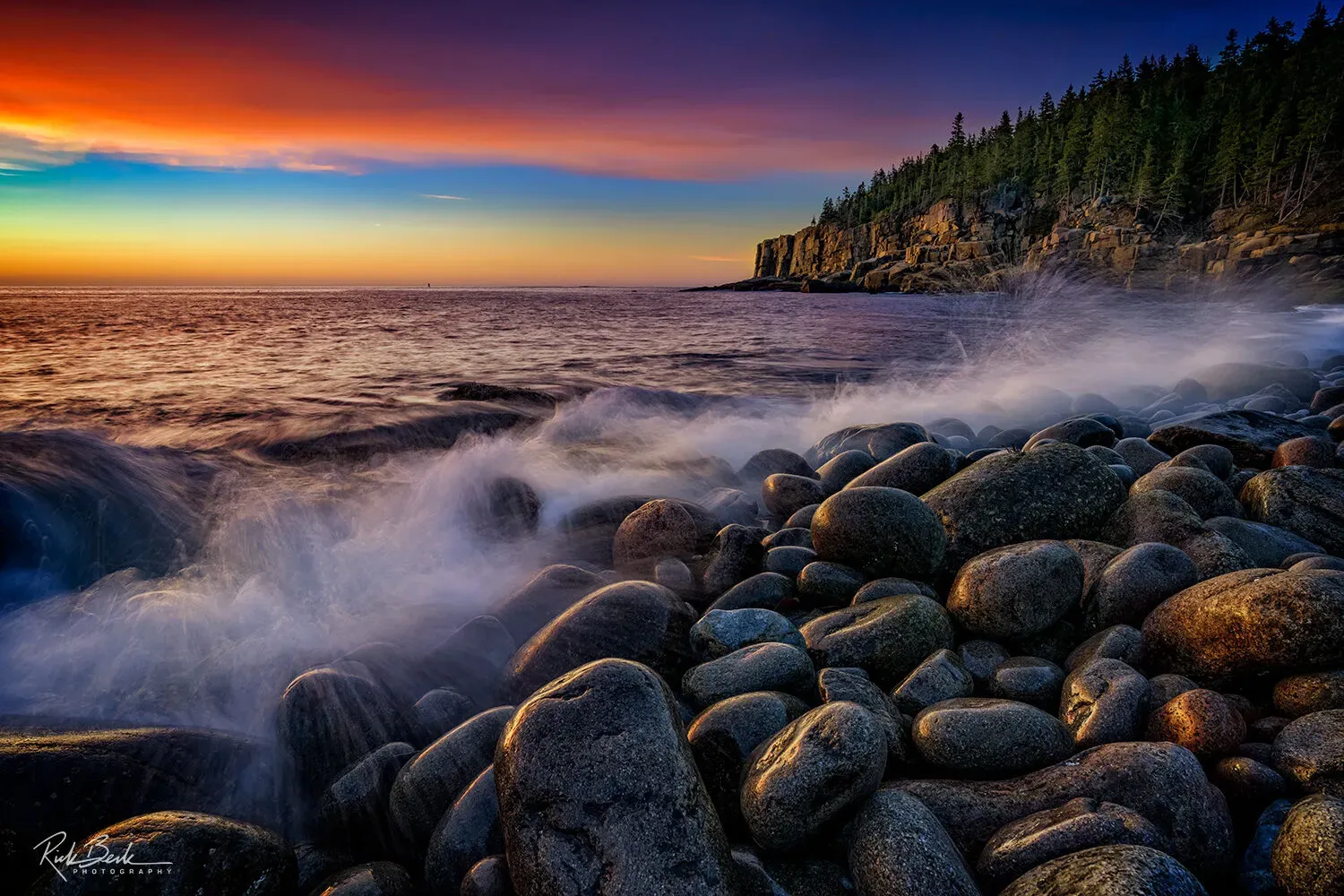
The Ocean Path Trail is one of the most popular walks in the park, and deservedly so. It's relatively easy, stretching from Sand Beach to Otter Point along the coastline. You get one stunning vista after another without significant elevation gain. The route passes Thunder Hole, where waves rush into a narrow granite chasm and create loud booms and spray at high tide. Otter Cliff is one of the highest coastal headlands north of Brazil. The drop to the Atlantic is straight down and dizzying.
Sand Beach deserves time. This pocket of sand sits between rocky headwalls. It's one of the few sandy beaches in Maine. The beach serves as the starting point for both the Ocean Path and the more challenging Great Head Trail. Evening programs at Sand Beach include constellation talks led by park rangers. It adds an educational dimension to the scenery.
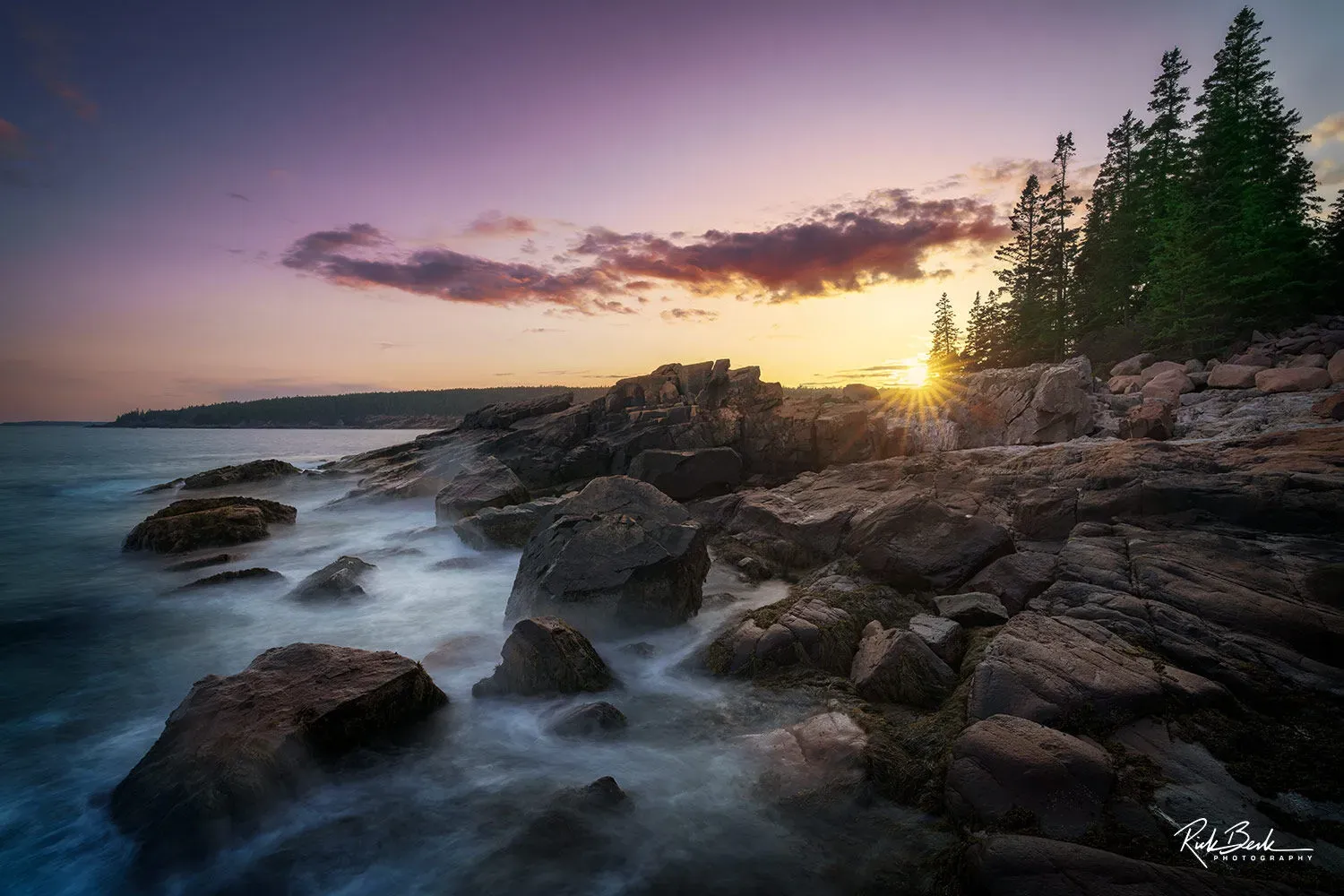
For solitude away from the main crowds, try Schoodic Point on the Schoodic Peninsula. It offers the same dramatic coastal scenery with a fraction of the visitors. Located on the mainland across the bay from Mount Desert Island, this section of the park features pounding surf, pink granite shores, and views back toward Cadillac Mountain. The Schoodic Loop Road provides easy access to multiple viewpoints.
Lakes and carriage roads
The coastline gets the attention, but Acadia National Park United States has interior lakes that offer quieter experiences. Jordan Pond is the clearest, a glacial lake surrounded by the rounded forms of the North and South Bubbles. The Jordan Pond Path circles the lake, with famous wooden boardwalks on one side and mirror-perfect reflections of the surrounding hills. The Jordan Pond House serves legendary popovers with views across the water.
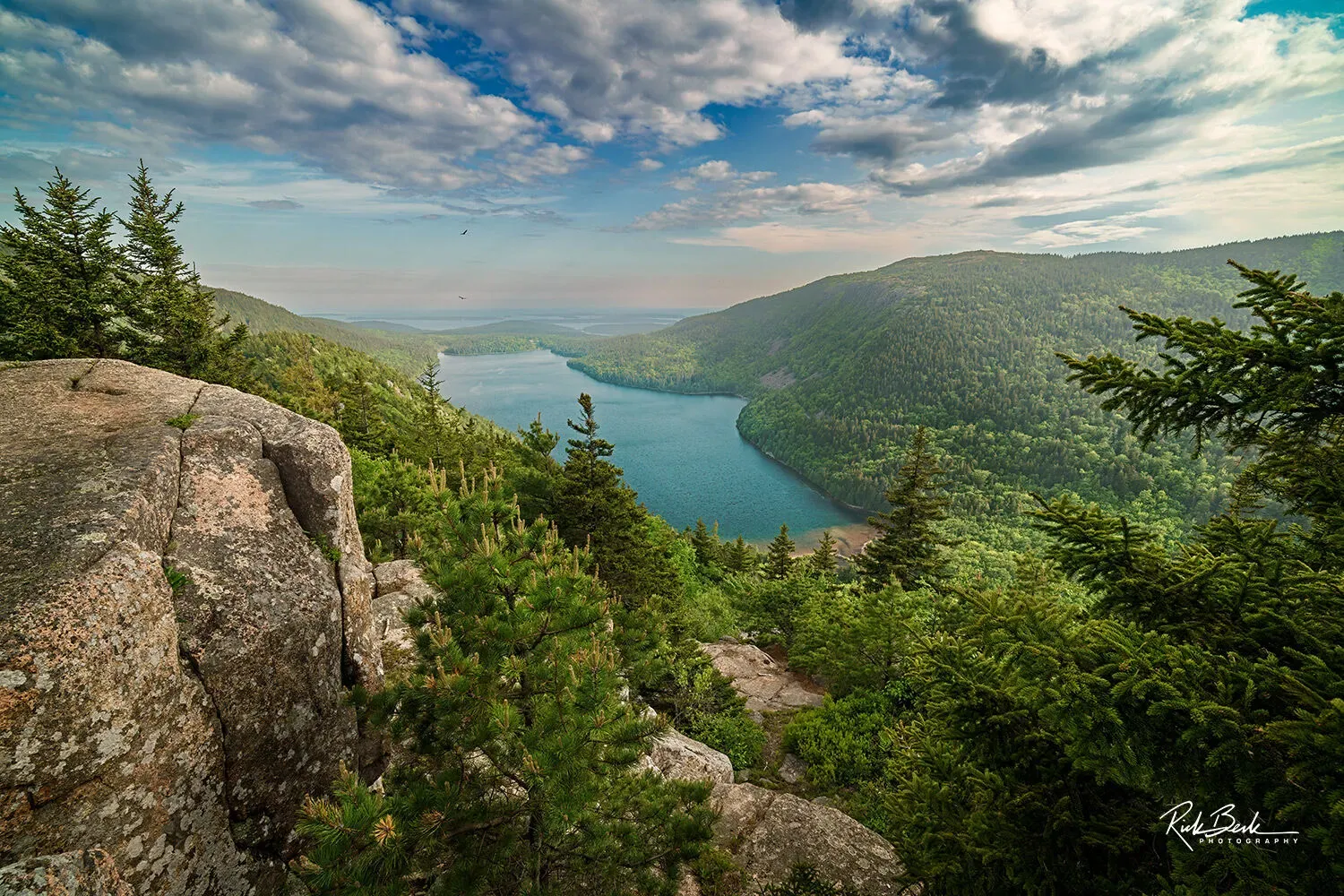
Eagle Lake and Bubble Pond offer additional opportunities for quiet hiking and photography. The carriage roads connecting these lakes create perfect loops for biking or walking. The scent of pine fills the air. Century-old trees create dense canopies overhead. Electric bike rentals have become popular in recent years, allowing visitors to cover more ground while still experiencing the fresh air and natural surroundings.
Horse-drawn carriage rides are available along certain roads. They evoke the park's early 20th-century origins and provide a romantic, old-fashioned way to see the interior forests.
Practical tips for visiting Acadia National Park United States
Understanding the logistics
Acadia operates on a unique system that catches many first-time visitors off guard. Most of the Park Loop Road follows a one-way design. It's difficult to backtrack if you miss a scenic point. The park doesn't always place signs for scenic overlooks well in advance, so staying alert and using the park map is essential. This one-way system actually works well for cyclists, who can ride the loop with traffic flowing in a single direction.
Entrance fees and reservations require careful planning. The standard vehicle pass costs $30 and remains valid for seven days. However, Cadillac Mountain summit access requires an additional $6 timed-entry reservation that must be purchased online in advance. During peak season, these reservations sell out weeks ahead, particularly for sunrise slots. Without this reservation, the summit road remains inaccessible by vehicle. Hiking up remains an option.
The Island Explorer shuttle system provides free transportation throughout the park and surrounding communities. This eliminates parking hassles at popular trailheads. The service proves invaluable during crowded summer months when parking lots at Sand Beach, Jordan Pond, and trailheads fill by mid-morning.
Crowds and timing strategies
Acadia's popularity during July and August creates challenges that require strategic planning. Parking lots at major attractions routinely fill by 9:00 or 10:00 AM, and the Park Loop Road can become congested with slow-moving traffic. The best strategy involves arriving at the park entrance when gates open at dawn, or planning visits to popular spots during off-peak hours.
Three to four days represents the ideal timeframe for exploring the park properly without rushing. This allows time for sunrise at Cadillac Mountain, a full coastal walk, several hikes of varying difficulty, and time to explore the carriage roads. Even a week barely scratches the surface of what the park offers.
What to know about facilities
Restrooms exist at major trailheads and visitor centers, though they can be scattered and occasionally suffer from cleanliness issues during peak crowds. The Hulls Cove Visitor Center is the main information hub, where rangers provide trail recommendations tailored to fitness levels and interests. The park distributes maps, though these don't always clearly indicate hiking times, distances, and elevation gains. Bringing a detailed trail guide or using a hiking app helps immensely.
Camping deserves special mention. Blackwood Campground sits closest to Bar Harbor and the main park attractions, making it the most coveted site. However, campers should prepare for extremely basic facilities: no showers within the campground, no dishwashing sinks, and no firewood sales. The closest showers cost $4 for four minutes at a facility just outside the campground entrance. Reservations open months in advance and disappear quickly. Planning three months ahead is essential for securing a spot.
Weather and seasonal variations
Maine's coastal weather changes rapidly, and fog can roll in or disappear within minutes. Summer visitors should pack layers, as temperatures on Cadillac Mountain can be significantly cooler than sea level. The fall season transforms the park into a kaleidoscope of color as maple and beech trees turn gold, orange, and red. This is prime photography season, though early morning frost becomes common.
Most restaurants in Bar Harbor close by 9:00 PM (21:00), and some even earlier. Late hikers returning after sunset often discover only fast food and convenience stores remain open. Planning dinner before 8:00 PM prevents hunger and disappointment after a long day of outdoor adventure.
Best time to visit Acadia National Park United States
The park operates from May through October, with each month offering distinct advantages. June presents an ideal combination of mild weather, blooming wildflowers, and slightly fewer crowds than July and August. The famous fall foliage peaks in October, attracting leaf-peepers who come to photograph the explosion of color against granite cliffs and blue water.
Winter transforms Acadia into a snow-covered landscape, though many facilities close and access becomes limited. Spring brings mud season in April and early May, when trails can be wet and muddy but reward visitors with emerging wildflowers and returning songbirds.
How to get the most out of your visit
Arrive early. Gates open at dawn, and this is the only way to secure parking at popular trailheads and experience Cadillac Mountain without crowds. Book Cadillac Mountain reservations well in advance online. These sell out weeks ahead during peak season. Plan for 3-4 days minimum to experience the park's diversity without rushing.
Bring layers. Weather changes quickly, and temperatures vary dramatically between sea level and mountain summits. Dine early. Most Bar Harbor restaurants close at 9 PM, and late hikers may go hungry. Use the shuttle system to avoid parking headaches during busy summer months.
Explore Schoodic Point for solitude away from the main crowds on Mount Desert Island. Consider electric bike rentals to cover more ground on the carriage roads without exhaustion. Check tide charts if planning to explore Bar Island or tide pools. Access is only possible at low tide.
Final thoughts: Is Acadia worth the effort?
Acadia National Park United States is something increasingly rare. It's a place where dramatic natural beauty remains accessible without requiring extreme wilderness skills or multi-day backpacking expeditions. The combination of mountains, ocean, lakes, and forests creates endless photographic opportunities, while the variety of trails ensures every fitness level finds appropriate adventure.
Yes, the crowds during summer require strategic planning. Yes, the reservation systems and fees add complexity. And yes, the limited camping amenities surprise those accustomed to more developed facilities. But these inconveniences fade quickly when you're standing on Cadillac Mountain watching the first sunrise in America, or when the afternoon light turns the granite cliffs gold along Ocean Path.
For anyone traveling through New England, a stop at Acadia transcends typical tourism. It becomes a connection with one of America's oldest and most beloved landscapes. The scent of pine and salt air, the crash of waves against billion-year-old rocks, the silence of a forested carriage road at dawn. These are the memories that persist long after the visit ends. Acadia isn't merely a destination to check off a list. It's a place that calls visitors back, season after season, each visit revealing new corners of its magic.